Crash Tested: The Best Electric Vehicle Safety Ratings
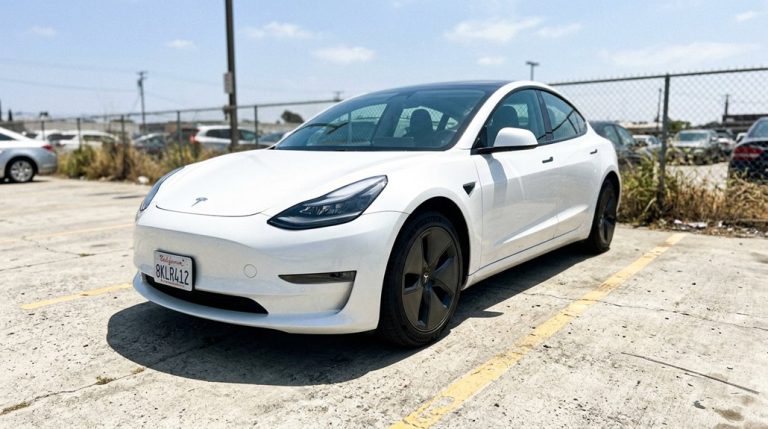
Heavier cars should fare worse in crashes. EVs break that rule entirely—and the NHTSA sub-scores explain a physics phenomenon most drivers never consider.
Lock down your electric vehicle. Get step-by-step guides on configuring Sentry Mode, setting up PIN to Drive, managing Walk-Away Door Locks, and ensuring your Dashcam USB storage operates flawlessly.
Heavier cars should fare worse in crashes. EVs break that rule entirely—and the NHTSA sub-scores explain a physics phenomenon most drivers never consider.
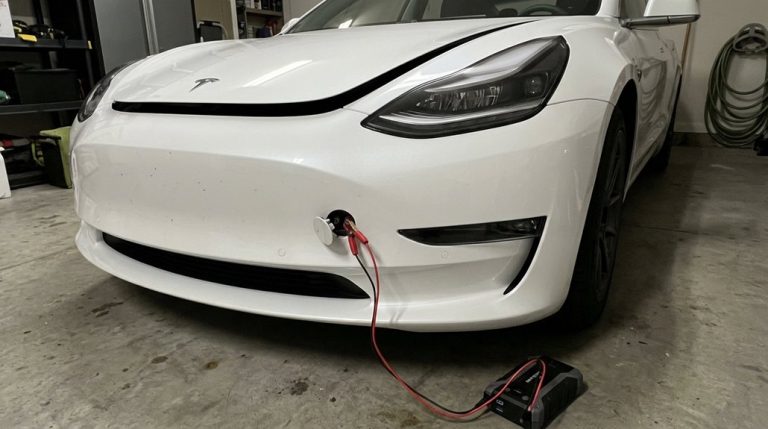
Your Tesla Model 3 frunk isn't actually locked — it's just waiting for 12 volts. Here's the two-minute fix most owners never find.
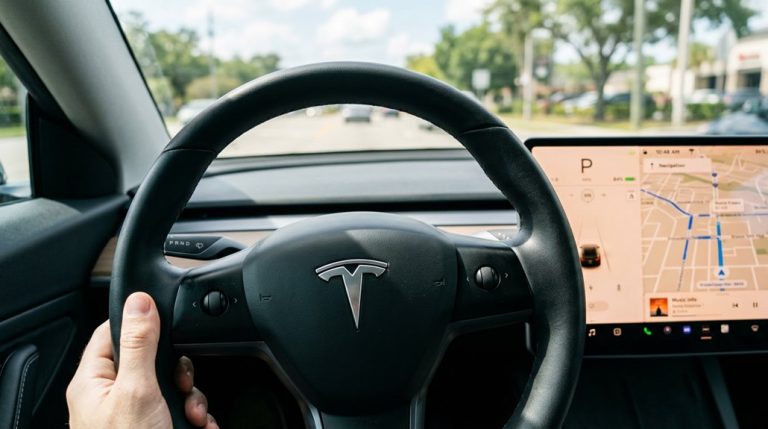
Most Tesla drivers answer calls wrong. One scroll button changes everything—but only if you use it in the right sequence.
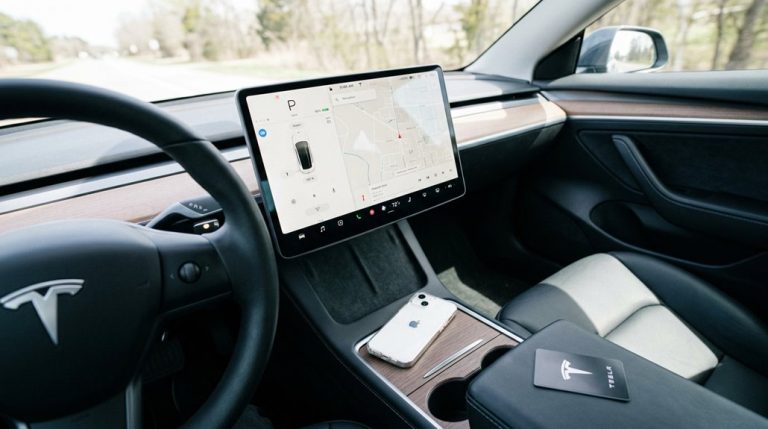
No keys, no problem. Your phone and a Tesla account are all you need — but the setup details make or break the experience.
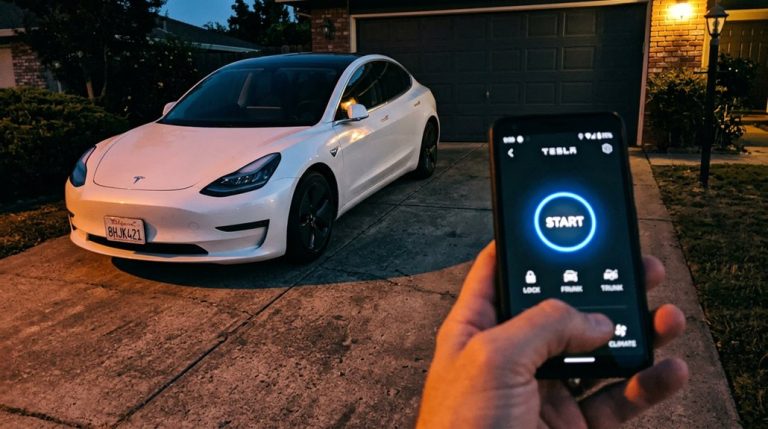
Most Tesla owners never touch the Start button—and have no idea it vanishes in two minutes. Here's exactly how it works.
Your Tesla has more security layers than you think—and more gaps. Most owners never see where the vulnerabilities actually live.
Your Tesla Model 3 might be sitting unlocked right now. Here's what your Bluetooth signal is actually doing when you walk away.
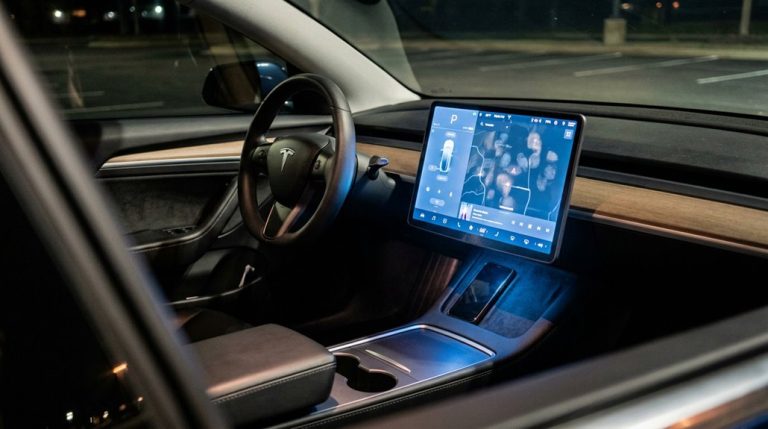
Tesla ships Model 3 with powerful anti-theft tech—but the default settings leave critical gaps. Here's exactly how to close them.
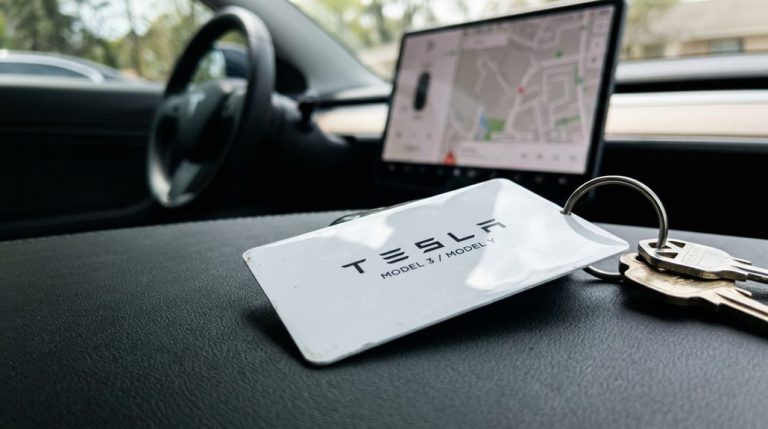
Lost your Tesla key? Anyone who finds it has full vehicle access until you act. Here's what to do immediately.
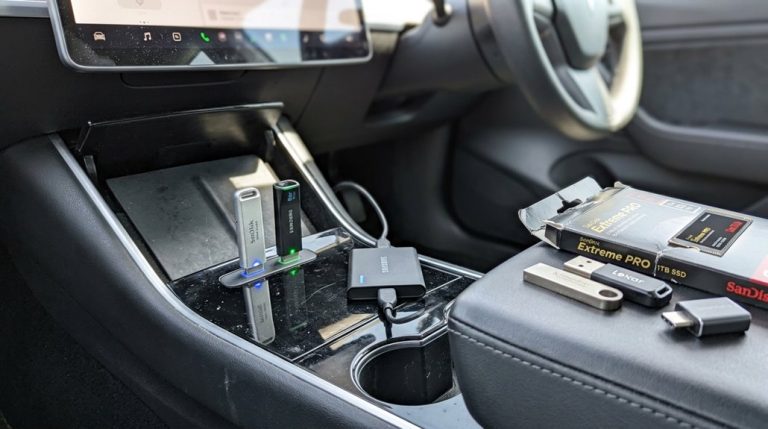
Most SSDs die in Tesla's Sentry Mode within months. These five drives survive continuous 4K writes—here's exactly why.
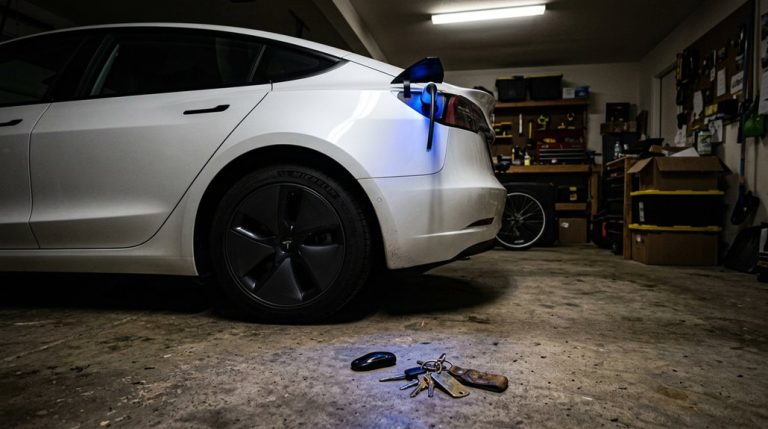
Your EV has GPS, encryption, and remote kill switches. Thieves still take them anyway. Here's exactly how—and what actually stops them.
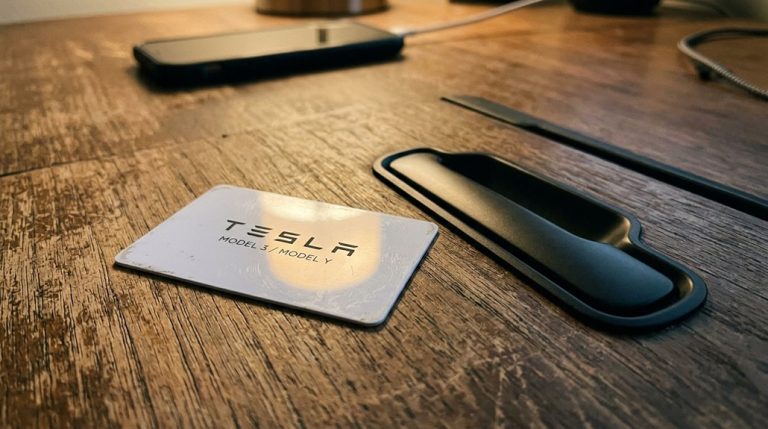
Your wallet may be silently killing your Tesla key card signal. Here's exactly how to diagnose which problem you're facing.
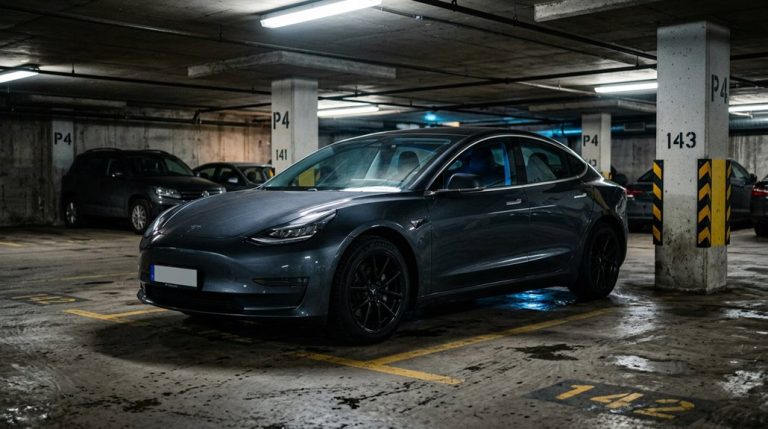
Your Tesla's 8 cameras aren't doing what you think—and that gap in knowledge could leave you with zero usable footage.
Eight cameras, neural networks, and rollover-resistant physics — Tesla's safety systems go further than most drivers realize. Here's the full breakdown.
Tesla's connectivity is its greatest strength—and your biggest vulnerability. Here's what hackers already know about your car.
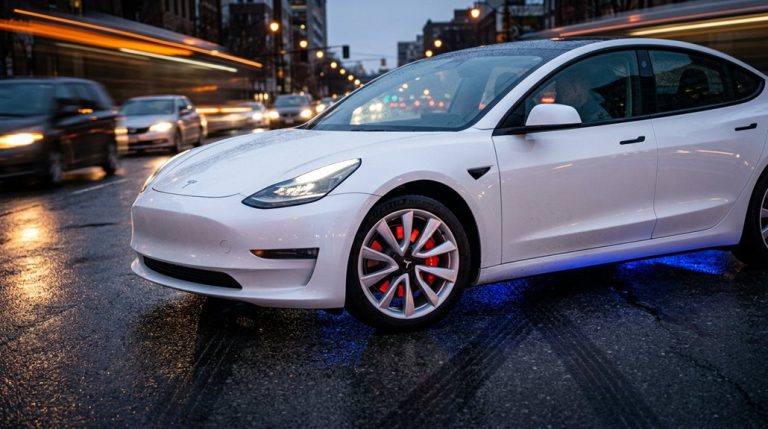
Tesla's layered safety system stops wrong-pedal crashes—but knowing why it still sometimes fails could save your life.
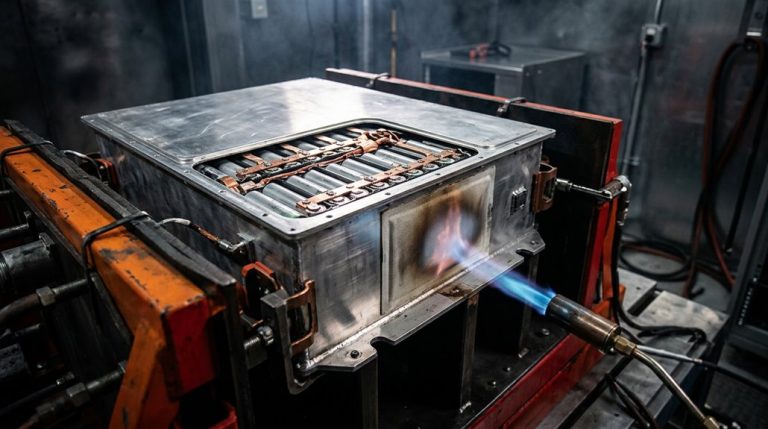
Tesla batteries don't "just explode" — but fireproof and fire-resistant aren't the same thing. The difference matters more than you'd think.
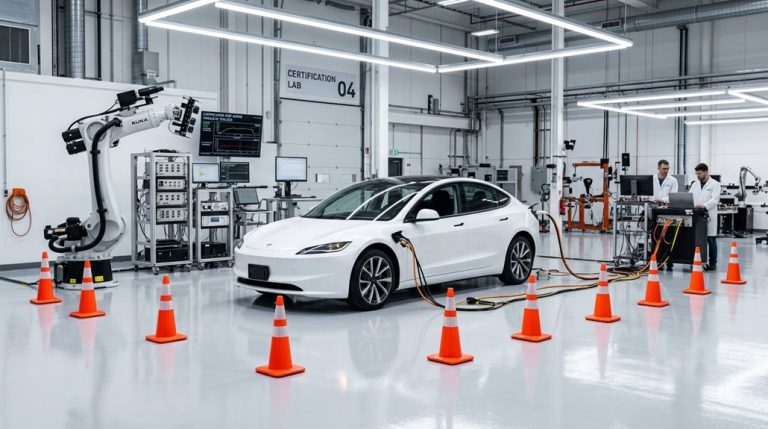
Not all Tesla technicians are created equal. Four certification tracks determine who can legally touch your car—and the high-voltage tiers will surprise you.
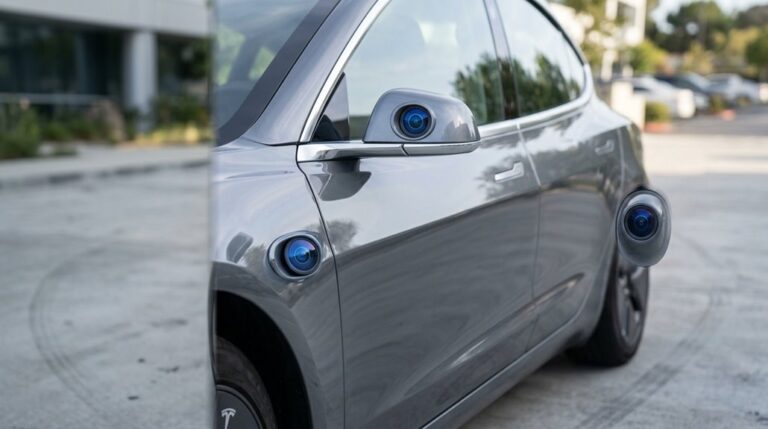
Tesla runs 8–9 cameras per model, but the hardware generation gap changes everything. Find out which setup actually matters.
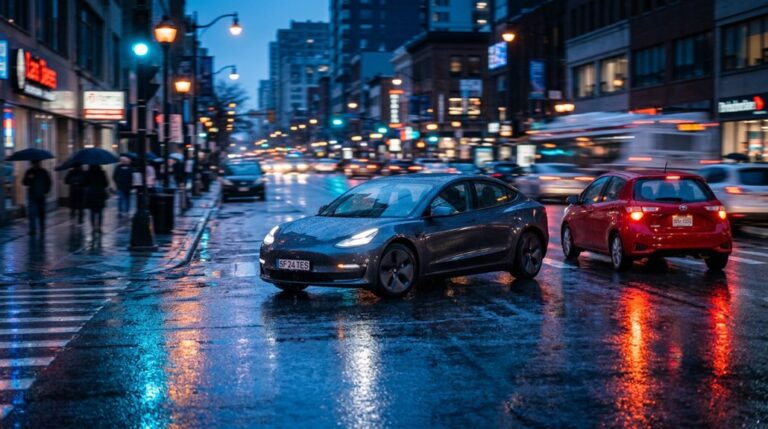
Most drivers set collision avoidance wrong—creating dangerous gaps they never see coming. Your sensitivity settings matter more than you think.
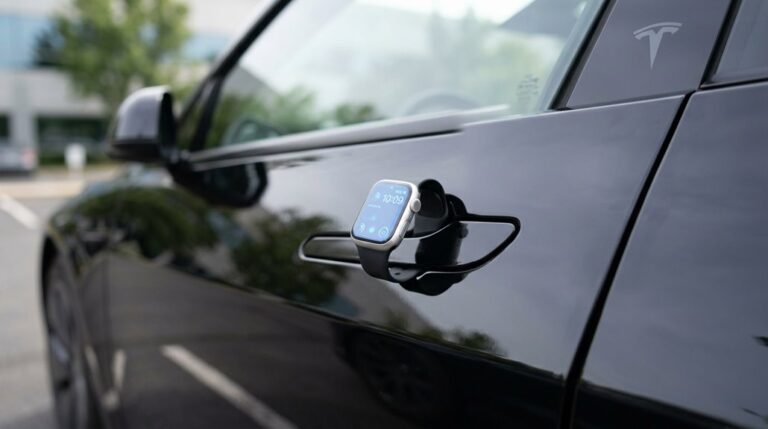
Your Apple Watch might open your Tesla — but only if your model and firmware agree. The encrypted details get complicated fast.
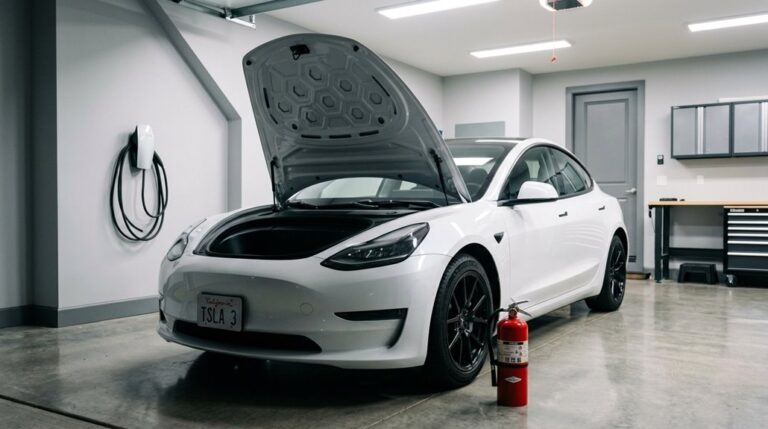
Your EV carries enough voltage to kill you in milliseconds. Most drivers never learn these critical safety protocols.
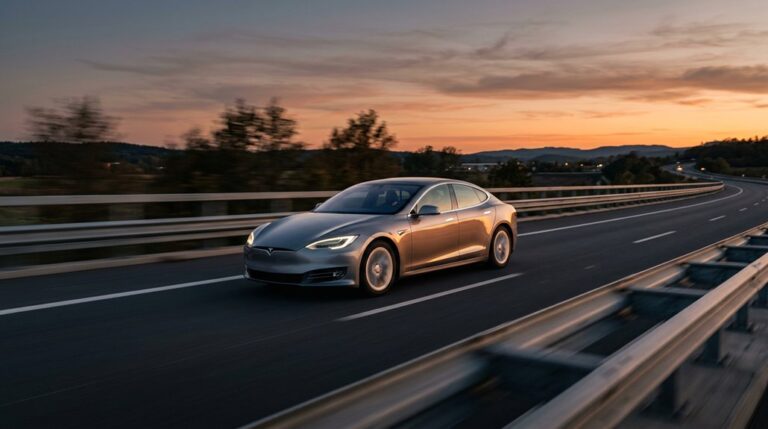
Not every Tesla passes the stricter 2026 criteria—and the model you're eyeing might be the one that failed.
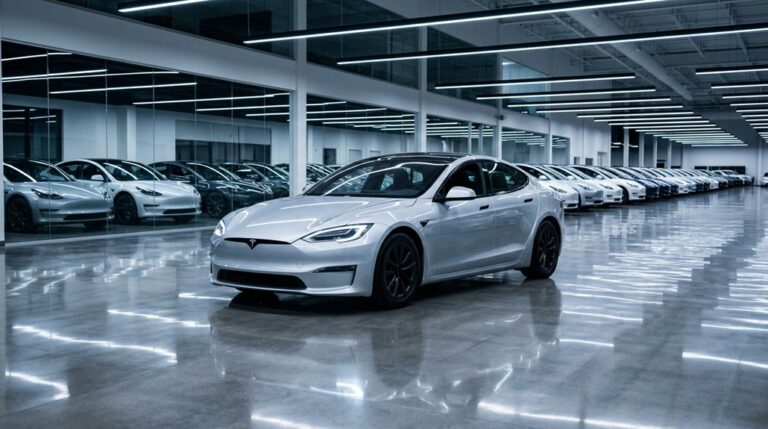
Tesla went from 2,650 deliveries to 1.8 million — then the numbers stopped climbing. The reason changes everything.
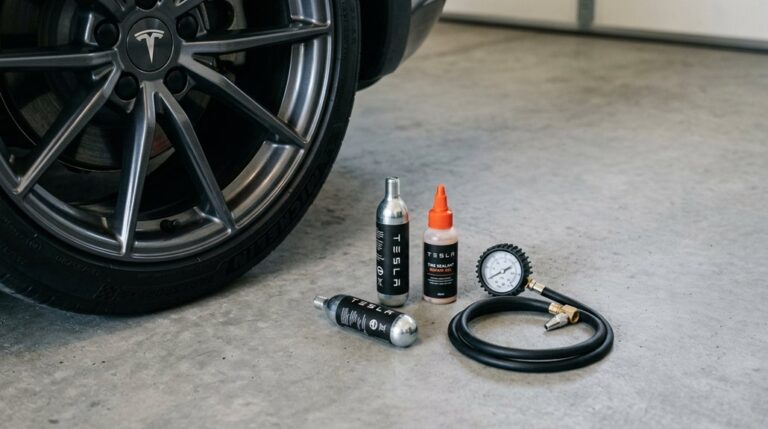
70% of Teslas ship without a spare—intentionally. The repair kit you choose could still leave you stranded.
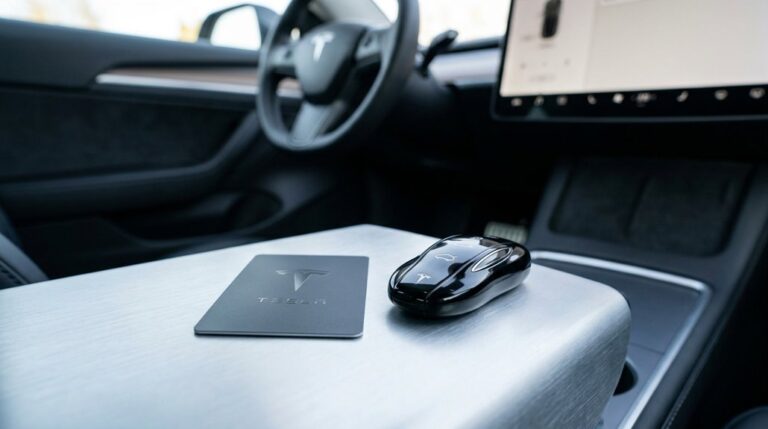
Your key fob and key card aren't interchangeable — one could leave you stranded. Here's exactly when each saves you.
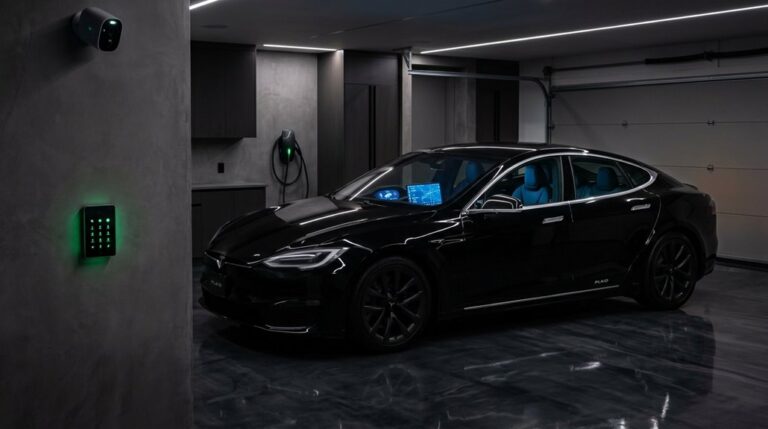
Tesla's Valet Mode protects your car—but not as much as you think. Here's what it quietly leaves exposed.
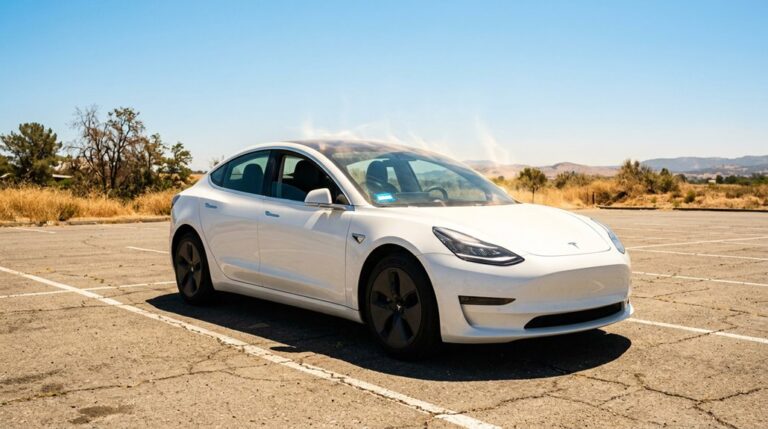
Your parked Tesla is quietly working without you. Here's exactly how Cabin Overheat Protection keeps things cool — and when it won't.
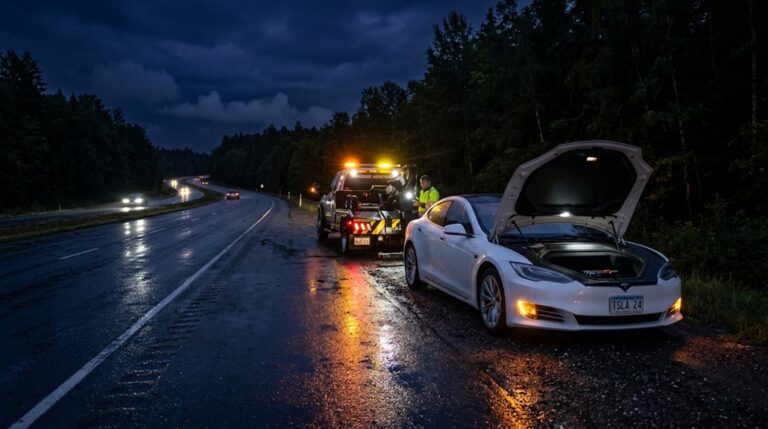
Tesla promises no breakdowns — yet here you are. Learn exactly what 24/7 Roadside Assistance covers before you actually need it.
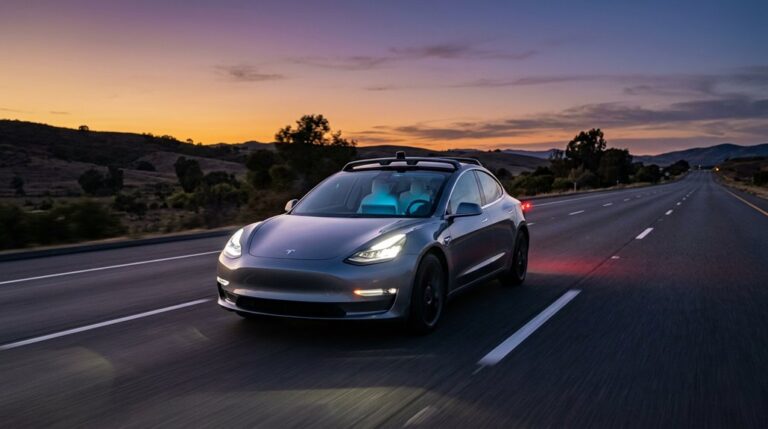
Autopilot and FSD aren't the same—confusing them costs owners thousands. Here's what Tesla's marketing quietly leaves out.