
Most Tesla owners assume they’re protected. They’re not. Your phone key, RFID card, PIN-to-Drive, and Valet Mode aren’t a unified security system—they’re four independent layers that can silently work against each other when misconfigured. The real vulnerabilities don’t live inside these features. They live in the gaps between them. If you’ve never questioned whether your Tesla is actually as secure as Tesla says it is, this guide will change how you think about that.
How Tesla Locking Actually Works
Tesla’s locking system isn’t a single mechanism — it’s a layered network of authentication methods that work together to control access. Your vehicle constantly runs lock algorithms in the background, evaluating which keys are present, their proximity, and whether conditions like vehicle speed or door status trigger automatic responses.
Walk-Away Door Lock, for example, monitors Bluetooth signal from your phone key and locks all doors and trunks the moment you’re no longer detected nearby. Speed-based locking kicks in automatically on Model 3 above 5 mph (8 km/h). The system even accounts for battery failover — if your key fob battery dies, Model X still locks automatically when you walk away.
Each method (phone key, key card, key fob, touchscreen) feeds into this same architecture. Grasping which layer you’re relying on helps you identify weak points before they become actual problems. The touchscreen serves as central control for lighting, mirrors, charging, and driver-assist settings, making it one of the most critical access points in the vehicle’s overall security ecosystem. The door handle itself relies on a mini internal control module that interprets CAN signals from the vehicle to command handle extension and retraction.
Leaving your Tesla key fob or key card exposed at home might feel harmless, but it only takes one signal relay attempt for things to go wrong when you least expect it. Add a simple but effective layer of protection by storing your key in a Tesla key fob signal blocker RFID Faraday pouch so your access stays secure, silent, and protected even when you’re not thinking about it.
Pick the Right Key Type for Every Situation
Because no two driving situations are identical, choosing the right key type comes down to matching the tool to the circumstances. Your Tesla supports up to 19 connected keys simultaneously, covering phone keys, key cards, and fobs across Model 3 and Model Y.
Every driving situation is unique—your Tesla keeps up with up to 19 keys ready for any circumstance.
Consider these three core scenarios:
- Daily commuting: Phone key etiquette matters here—keep Bluetooth enabled and your phone charged, since the system depends on proximity detection to work hands-free.
- Emergency backup: Carry your key card in your wallet. When your phone dies, that slim RFID card becomes your most reliable fallback.
- Traditional control preference: The fob delivers button-press convenience, though fob maintenance (battery replacements, re-pairing after resets) adds minor ongoing responsibility.
Shared access scenarios benefit from assigning dedicated keys per driver rather than sharing one device. Removing access is equally straightforward through Tesla’s key management list. For situations where shared access isn’t enough protection, activating PIN-to-Drive adds a required PIN entry before the vehicle can be started, regardless of which key is used.
Tesla’s ordering and vehicle management both flow through the same platform, meaning the Tesla app account you use to configure and purchase your vehicle is the same one used to manage keys and access permissions.
How to Lock Your Tesla From the Touchscreen or App
Once you’ve picked your key type, locking your Tesla from the touchscreen is as straightforward as tapping the lock icon on the display—it toggles the state of all doors and trunks simultaneously, and the icon updates instantly to confirm whether you’re locked or not.
If you’re already out of Bluetooth range (and hence out of Phone Key range), the Tesla app steps in as your remote control, sending a lock command over cellular data to reach your car wherever it sits. Keep in mind that tapping the inside touchscreen lock icon can override automatic behaviors like Walk-Away Door Lock, so if you’ve manually locked from the cabin, don’t expect the proximity-based release to fire the moment you step back outside. You can also enable Drive Away Locking, which automatically locks all doors and trunks once your speed exceeds 5 mph. Unlike traditional vehicles, Tesla’s security settings and locking behaviors can be updated or modified through remote software updates, which Tesla delivers overnight via Wi-Fi to refine Autopilot logic, safety patches, and vehicle management features.
Touchscreen Locking Steps
Locking your Tesla from the touchscreen is straightforward once you’re parked — shift into Park first, then tap the lock icon displayed on the touchscreen interface. The icon updates immediately, confirming the locked state without guesswork.
Here’s what to verify during the process:
- Confirm the icon changes after tapping — a static icon means the tap didn’t register
- Check ambient lighting cues if your vehicle uses them, as some configurations reflect lock state changes
- Dismiss any seatbelt reminder prompts before locking, since active alerts can occasionally obscure status icons
The lock icon’s position varies slightly by model and software version — look near the clock or vehicle visualization area. Touchscreen locking works independently of your Phone Key, making it reliable when your phone’s Bluetooth behaves unpredictably. For an additional layer of protection, you can enable PIN to Drive, which requires entering a unique PIN before the vehicle can be driven.
It’s worth noting that Tesla’s over-the-air updates can modify touchscreen interface layouts, meaning the lock icon’s exact position or appearance may shift slightly following a software update pushed to your vehicle.
App-Based Lock Controls
The touchscreen gets the job done when you’re already in the car, but the Tesla mobile app extends that control to wherever you happen to be.
Open the app, tap the Lock icon, and the command transmits remotely—provided both your phone and vehicle maintain active cellular connections (think of it as session logging for your car’s access state).
Mobile access must also be enabled through the touchscreen beforehand.
From across town, you can run a quick remote diagnostics check to confirm whether the vehicle’s locked.
If it isn’t, lock it immediately without returning.
This works even when your Phone Key is unavailable but your app stays logged in on another device.
Connectivity is the one non-negotiable requirement—lose the signal, lose the control.
Keeping your app account secure is equally important, since Tesla’s mobile access controls tie directly into the same system that governs remote locking, unlocking, and vehicle diagnostics.
Set Up Walk-Away Lock and Audible Confirmation
Walk-Away Door Lock is one of Tesla’s more practical passive security features—when enabled, it automatically locks the doors and trunks after you leave the vehicle with a paired phone key or key fob, no button press required. It runs entirely on phone proximity, detecting your departure and triggering the lock sequence without input.
To configure it properly, navigate here:
- Controls > Locks > Walk-Away Door Lock — toggle it on within your active driver profile
- Audible Confirmation — enable it in the same Locks menu to hear a brief locking sound when the car secures
- Exclude Home (garage override) — prevents automatic locking at your saved home location, useful when pulling into a private garage
One caveat worth knowing: if your phone key is active, Tesla can’t always distinguish whether it’s inside or outside the car, which can occasionally affect lock reliability. Tesla’s broader software architecture also means the manufacturer retains the ability to selectively enable or disable features post-production, which extends to security-related functions depending on your vehicle’s configuration.
Give Valets and Other Drivers Controlled Tesla Access
Handing your Tesla off to a valet, a detailer, or anyone who isn’t you calls for a smarter approach than tossing over a key card and hoping for the best. Valet Mode creates temporary profiles that strip away your normal driver preferences, limit performance, and restrict access to storage areas like the glovebox. It won’t hide what’s already sitting on your back seat (physics, unfortunately), so remove valuables before any handoff.
Activate Valet Mode through the Tesla app under Security, or tap your driver profile icon inside the car. Either way, you’ll create a 4-digit PIN that locks and deactivates the mode later. You can even hand off access through a paired phone key, giving the driver controlled operation without a physical card.
Valet Mode isn’t a full anti-theft system, and it offers limited telematics visibility compared to your standard owner access. It’s a controlled handoff tool—nothing more, nothing less. Keep in mind that Tesla remains an SAE Level 2 driver-assistance system regardless of who is behind the wheel, meaning any driver operating your vehicle in Valet Mode is still legally and physically responsible for monitoring the road and vehicle actions at all times.
Even with Tesla’s Sentry Mode running, most people underestimate how quickly opportunistic break-ins happen when there’s no visible warning that the car is actively recording. Make that deterrent obvious before anything even starts by adding a Tesla Sentry Mode window sticker security decal set so anyone approaching your car knows it’s being watched and is far less likely to take the risk.
Fix Common Tesla Locking Problems Fast
Even with Valet Mode keeping things tidy during handoffs, locking problems can still appear during normal ownership—and most of them follow predictable patterns with straightforward fixes.
Start by identifying which system is actually failing:
- Walk Away Door Lock not triggering: Navigate to Controls > Locks > Walk Away Door Lock and confirm it’s enabled, then close all doors and raise every window fully before testing again.
- Phone key dropping connection: Re-pair your phone key through the Tesla app, enable Bluetooth and location services, and disconnect competing Bluetooth accessories that crowd the signal.
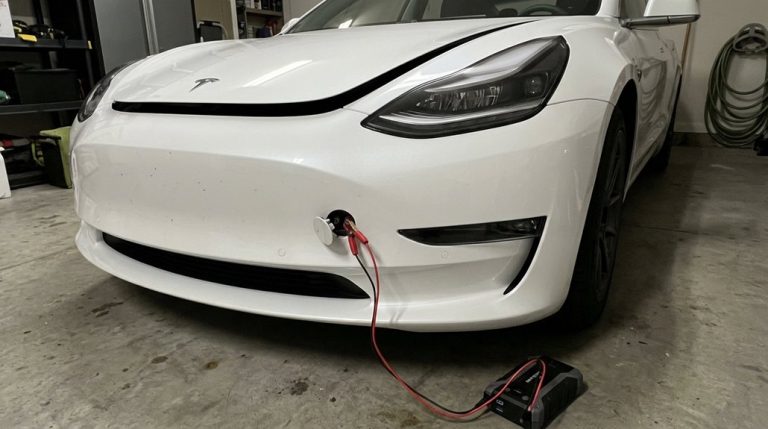
- Sudden lock failure with charge remaining: Suspect your 12V battery immediately—battery maintenance matters here because door locks run on that secondary system, not the main pack. Know your manual releases before you need them.
Persistent issues after these steps typically signal a software glitch or hardware fault requiring Tesla service. Tesla’s NACS connector standard unifies charging access across Supercharger, Destination, and home charging under a single plug design, meaning non-Tesla EVs using adapters share the same network infrastructure Tesla owners rely on daily.
Frequently Asked Questions
Does Sentry Mode Drain My Tesla Battery Significantly When Parked Overnight?
Yes, Sentry Mode’s battery impact is noticeable—you’ll typically lose 5–12% overnight. Overnight consumption varies by temperature and activity near your car, but it’s manageable if you exclude trusted locations like home.
Can I Use PIN to Drive Alongside a Key Card Simultaneously?
Yes, you can use PIN Drive alongside a key card simultaneously. There’s no Card Override—your key card handles entry, while the PIN adds a second layer before you can drive.
Will My Tesla Alarm Flash Lights When Triggered in a Parking Garage?
Yes, your Tesla’s alarm will flash its lights when triggered in a parking garage. The enclosed space actually enhances light visibility, making the flashing more noticeable than in open areas.
Are Sentry Mode Recordings Ever Transmitted to Tesla Automatically?
No, your recordings aren’t sent through cloud uploads to Tesla automatically—they’re saved locally to your USB drive. Privacy audits of Tesla’s manuals confirm the camera feed stays encrypted and inaccessible to Tesla.
How Do I Enable Live Camera Access Through the Tesla Mobile App?
To Enable LiveCam, first turn on “View Live Camera” in your car’s Safety settings. Then activate Sentry Mode. Once parked, open the Tesla app for Mobile Viewing and tap View Live Camera.