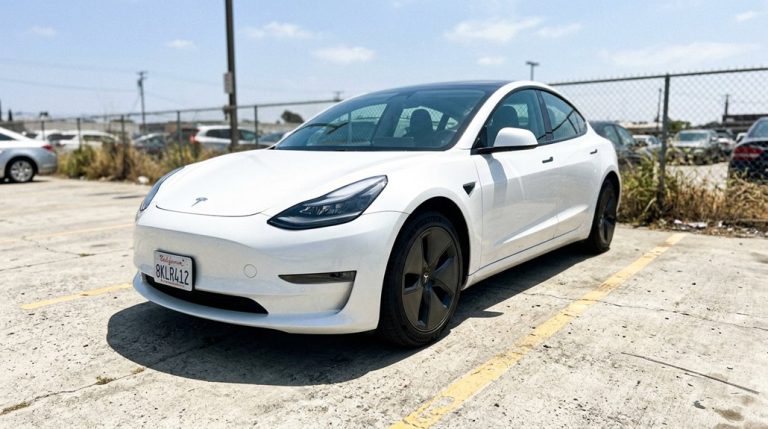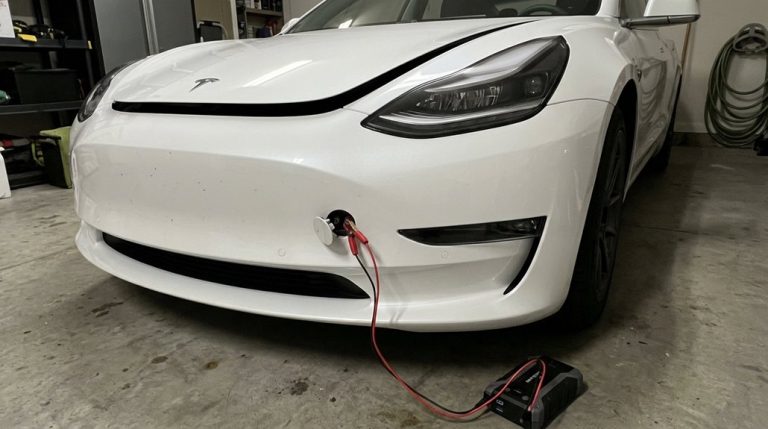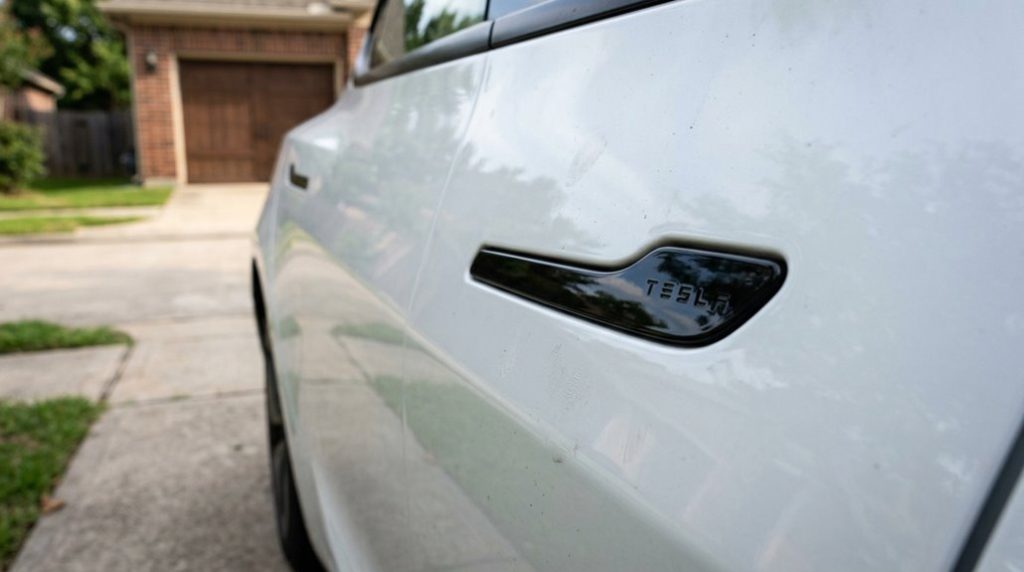

Your Tesla Model 3 might be sitting unlocked in a parking lot right now—and you’d never know it. Walk-Away Door Lock sounds foolproof, but a few overlooked settings can quietly betray you. This feature runs on Bluetooth Low Energy signals, locking your car only when your phone drifts far enough away. Get it wrong, and you’re leaving thousands of dollars of vehicle completely exposed. The setup is deceptively simple, but the details matter more than Tesla lets on.
How Walk-Away Door Lock Uses Bluetooth to Know You’ve Left
Bluetooth does the heavy lifting with respect to Walk-Away Door Lock, and grasping how it works saves you from standing next to a locked car wondering why it won’t cooperate. Your Model 3 continuously monitors your phone key’s Bluetooth proximity signal.
As you walk away, signal attenuation increases — meaning the Bluetooth connection weakens with distance — until the vehicle can no longer authenticate your phone as nearby.
Once that authenticated signal disappears and all doors remain closed, the system initiates automatic locking. It’s not magic; it’s physics. The vehicle isn’t tracking your footsteps or using motion sensors.
It’s simply waiting for your phone’s Bluetooth signal to fade below a detectable threshold.
For this to work reliably, Bluetooth must be active on your phone’s general settings and within the Tesla app itself. Tesla also recommends keeping the app running in the background — a small habit that prevents frustrating locking failures. The Tesla app authenticates your vehicle and displays software details, including your current build number, on the vehicle home page after you sign in. When the vehicle locks successfully, flashing lights and a chime confirm that your Model 3 is secure.
Walk-Away Lock issues often show up at the worst time—usually when you assume your Tesla is secure and it isn’t. A weak phone key signal or scratched key card is all it takes to leave the car vulnerable without warning. protect your backup access with this Tesla key card RFID wallet before a simple signal glitch turns into a security risk you didn’t notice.
How to Activate Walk-Away Door Lock on the Touchscreen
That’s genuinely it for basic activation. This touchscreen tutorial applies across most Model 3 software versions, though menu variations do exist — some interfaces use slightly different wording depending on regional builds or update cycles. The core path (Controls > Locks) stays consistent regardless.
While you’re in that menu, you’ll notice optional settings: a confirmation sound, mirror folding behavior, and an exclude home toggle (useful if you’d rather the car not auto-lock in your driveway). None of those are required. The vehicle needs an authenticated phone key or compatible key fob present after exit before locking actually triggers. You can also customize the walkway delay to anywhere between 5 and 30 seconds before the doors lock after you move away. Tesla’s remote software updates can occasionally alter lock-related behavior or menu wording, so it’s worth re-verifying your settings after a major update.
Why Your Model 3 Is Not Locking When You Walk Away
Several things can trip up the Walk-Away Door Lock, and most of them fall into a short list of predictable categories. Your car won’t lock if a door isn’t fully latched, if a phone key remains detected inside the cabin, or if profile conflicts quietly override your settings.
Check these common culprits first:
- Unlatched doors or raised windows — even a partially open window registers as an incomplete closure
- Phone key issues — disabled Bluetooth, aggressive background app restrictions, or battery optimization settings break the key signal
- Home location exclusions — your vehicle may skip locking automatically at saved home coordinates
- Sensor diagnostics — faulty occupancy sensors can fool the system into thinking someone’s still seated
If basic checks don’t resolve it, sensor diagnostics become necessary. A misreading seat sensor often starts as intermittent before becoming consistent, and that pattern usually means a service appointment is unavoidable. It is also worth remembering that Tesla’s over-the-air software updates can modify locking behavior and feature availability after purchase, meaning a recent update may have altered how your Walk-Away Door Lock profile is applied. When the vehicle locks successfully, side mirrors retract inward as a visual confirmation that the locking sequence has completed.
Fix Bluetooth Problems That Stop Walk-Away Lock From Working
Most walk-away lock failures trace back to one root cause: your phone and Model 3 can’t maintain a stable Bluetooth Low Energy connection long enough to confirm you’ve actually left. Fix that signal, and locking typically restores itself.
| Problem | Fix |
|---|---|
| Bluetooth stalling | Disable, then re-enable Bluetooth |
| App losing contact | Allow background activity |
| Battery killing signal | Disable battery optimization |
| Location access denied | Set app permissions to “Always On” |
Start by toggling Bluetooth off and back on—this refreshes a stalled handshake. Check that your Tesla app runs in the background without restriction; Android’s battery optimization setting aggressively kills background processes, severing key detection entirely.
App permissions matter equally. Without “Always On” location access, the phone key behaves unpredictably. Keep Airplane Mode off, your phone charged, and the Tesla app signed in. Tesla’s eight surrounding cameras also rely on unobstructed sensor communication to support vehicle detection functions, so keeping lenses clean can prevent compounding issues with proximity-based features. If problems persist, remove your phone key and re-pair it through the app.
Dense urban environments introduce another layer of difficulty, as electromagnetic interference from nearby 5G towers can disrupt both Bluetooth signals and the sensor communication your Model 3 depends on to detect your departure.
Walk-Away Lock only works when your Tesla actually knows your key is nearby—and that’s exactly where things go wrong for most owners. A misplaced phone, a bag left in the trunk, or a weak Bluetooth signal can leave you second-guessing whether the car is truly locked. Keep your key and essentials always traceable with a Bluetooth key finder tracker before that moment turns into unnecessary stress.
Frequently Asked Questions
Can Walk-Away Door Lock Work With a Key Fob Instead of a Phone?
You’re in luck! Yes, your key fob supports Walk-Away Door Lock. Just make sure your fob’s battery life stays healthy, as a dead battery prevents automatic locking detection entirely.
Does Walk-Away Door Lock Still Activate at My Home Location?
Yes, it can still activate at your home unless you enable Exclude Home in Lock settings. To avoid neighbor privacy concerns or GPS spoofing conflicts, verify your correct Home address is saved in your driver profile.
Will the Mirrors Fold Automatically When Walk-Away Door Lock Engages?
Over 90% of Tesla owners enable Fold Mirrors for seamless mirror adjustment. Yes, your mirrors’ll fold automatically when walk-away door lock engages—but only if you’ve enabled the Fold Mirrors setting, linking mirror folding directly to the lock event.
How Do I Hear a Sound Confirming My Model 3 Has Locked?
Enable Lock Confirmation Sound under Controls > Locks for an audible confirmation when your Model 3 locks. You’ll hear a customizable chime, and you can customize it further through Toybox > Boombox > Lock Sound.
Can I Manually Lock the Car Instead of Using Walk-Away Door Lock?
Like a trusty deadbolt, manual locking’s your reliable backup. You can tap the touchscreen’s lock icon to manually lock your Model 3 instead of using walk-away door lock, though a physical keycard won’t trigger it automatically.