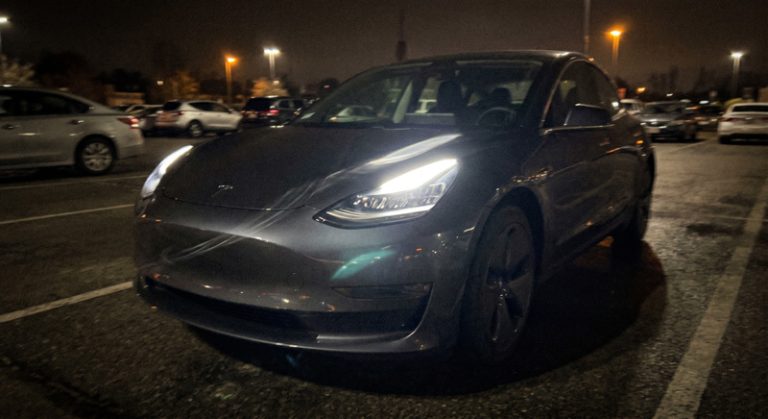

Tesla tyres don’t just wear — they practically self-destruct. Instant torque and curb weights pushing 5,000 lbs mean your tread disappears faster than you’d expect, leaving most owners blindsided at their first service appointment. But the real problem isn’t the wear itself — it’s not knowing where to go when rotation time comes. Getting this wrong costs you hundreds in premature replacements. The right service provider changes everything.
How Fast Tesla Tyres Actually Wear: and Why It Matters
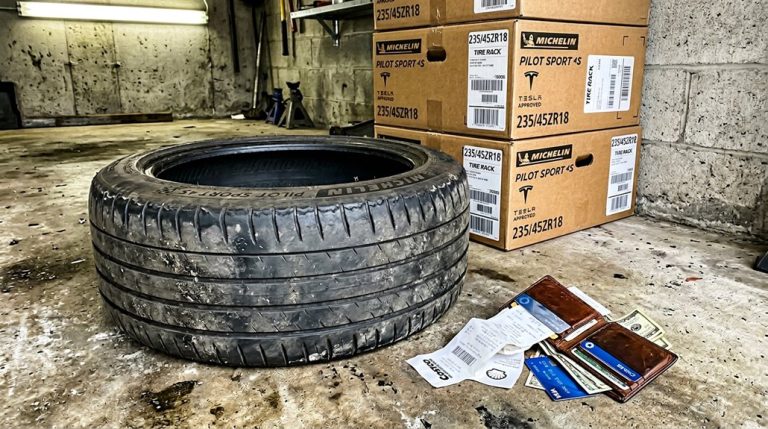
Tesla tyres wear out faster than most owners expect — sometimes markedly so. A conventional car’s tyres last 40,000–60,000 miles. A Tesla Model 3’s? Between 15,000–30,000 miles. That’s not a rounding error; it’s a fundamental difference driven by real physics.
Tesla Model 3 tyres wear out at nearly half the rate of conventional cars — and that gap is pure physics.
Two culprits dominate: battery weight and regenerative stress. Tesla’s large battery pack markedly increases overall vehicle weight, loading tyres far beyond what most passenger cars demand. Tesla’s 800–1,200 lb battery pack adds significantly more load to each tyre contact patch than a comparable combustion vehicle would ever place there.
Then there’s regenerative stress — the braking force recovered through the drivetrain transfers considerable strain onto your front tyres during every deceleration event.
KwikFit’s 2025 study found Tesla Model 3 owners may need replacements up to 10 times more frequently than average vehicles. In Enfield alone, Teslas were 9.4 times more likely to need new rubber.
Faster wear isn’t just expensive — it’s a genuine safety concern before you even hit the legal minimum tread depth. The instant torque delivery from Tesla’s electric motors places tremendous stress on tyres with every acceleration, accelerating rubber abrasion in ways combustion engines simply do not.
The Best Places to Get a Tesla Tyre Rotation
Regarding rotating your Tesla’s tyres, you’ve got more options than you might think — and they vary considerably in cost, convenience, and competence. Each option carries different trade-offs around pricing, mobile convenience, and warranty implications worth knowing before you book.
| Provider | Estimated Cost |
|---|---|
| Tesla Service Center | $65–$93 |
| Discount Tire | Free |
| Costco | ~$32 |
| Independent Tire Shop | $40–$90 |
| Tesla Mobile Service | $65+ |
Discount Tire consistently earns praise from Tesla owners for handling OEM fitments correctly and charging nothing. Costco runs close behind at roughly $32, though expect a 45-minute wait. Independent shops are perfectly capable — provided they respect Tesla’s specific lift points and torque specs. Tesla’s own mobile service offers genuine doorstep convenience but costs more and isn’t always available regionally. Tesla Service Centers work, yet owners routinely flag them as slower and pricier than alternatives. Whichever provider you choose, always confirm they use proper lift pucks to raise the vehicle safely and avoid damage to the battery undercarriage. It’s also worth knowing that running unsupported tire sizes can create legitimate warranty audit triggers, so verify your replacement or rotated tyres fall within Tesla’s approved specifications before proceeding.
What Tesla Tyre Rotation Should Actually Cost
Some retailers also offer free rotations if you purchased your tyres there, so it’s worth checking whether your tyre-purchase receipt is quietly saving you money on every future visit. Non-Tesla EV owners can also access Tesla’s Supercharger network via a dedicated NACS adapter, making it easier to combine long charging stops with nearby service appointments at compatible retailers.
If you’re bundling a wheel balance or alignment into the same appointment, you’ll avoid a second lift and setup fee — alignment alone typically runs $120–$250 depending on the shop.
Typical Price Ranges
Whether you’re booking through Tesla’s app or walking into a tire shop, the price of a Tesla tyre rotation lands in a narrower range than most owners expect. Tesla pricing stays fairly predictable once you know where to look.
Here’s what you’ll typically pay:
- Tesla Service Center: $35–$60 for a standard rotation
- Independent or chain tire shops: $40–$80 depending on location
- Tesla Mobile Service: $65–$85, where mobile convenience adds a premium for on-site labor
- High-end service totals: $120+ when alignment or additional checks get bundled in
The base rotation itself is rarely the budget-breaker.
It’s the add-ons — alignment, inspections, travel fees — that push your invoice higher than expected. When alignment is required, you can expect to pay an additional alignment fee of $75–$100 on top of the standard rotation cost. Tesla’s instant torque and vehicle weight accelerate tyre wear faster than most gas-powered cars, making regular rotations a more frequent and necessary expense over time.
Free Rotation Options
Fortunately, you don’t have to pay Tesla’s $50–$80 going rate every 6,250 miles if you know where to look. Discount Tire (also called America’s Tire in certain regions) rotates Tesla tires completely free, whether you bought them there or not. That’s genuinely useful. American Tire Depot and Big Brand Tire & Service reportedly offer the same deal, making free rotation fairly accessible across many markets.
The catch worth noting: some retailers extend free rotations only as customer perks tied to an in-store tire purchase. Local policies vary markedly by location, so a quick call ahead saves you an awkward conversation at the counter. Confirm the terms before you show up expecting something complimentary that turns out to carry a surprise invoice. Keep in mind that wheel and tire selection directly affects real-world range, with larger wheels trimming efficiency by roughly 5–10% compared to smaller, more aerodynamic alternatives.
What Every Shop Needs to Know Before Rotating a Tesla
Not every shop that can rotate a Honda Civic should be relied on to rotate your Tesla — the lift points, tire configurations, and post-service calibration steps are specific enough that skipping any one of them turns a routine job into an expensive mistake.
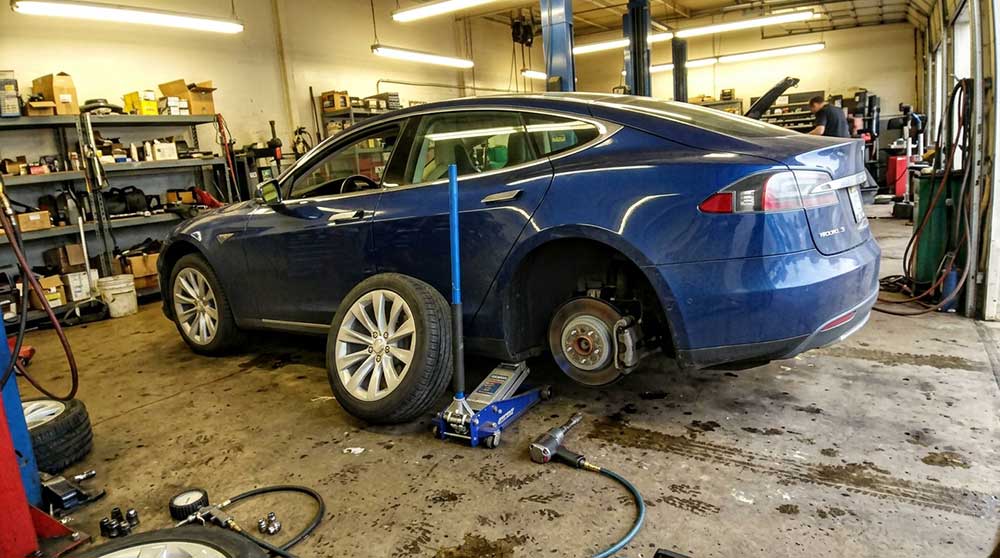
Before a single wheel comes off, the technician needs to confirm the correct underbody lift points (using a Tesla-specific jack pad adapter to protect the battery enclosure), identify whether the tires are directional (look for the sidewall arrow), non-directional, or running a staggered front-to-rear size setup that limits rotation to side-to-side only.
Once the wheels are back on and torqued to 129 lb-ft, the tire service reminder needs a manual reset followed by a short calibration drive — because Tesla’s onboard systems won’t just figure it out on their own. The technician should also confirm current tire pressure readings, which are accessible directly from the Model 3 touchscreen without any additional tools or equipment.
Correct Lifting Points
Before any shop touches your Tesla’s wheels, getting the lift points right isn’t just best practice—it’s the difference between a routine tire rotation and a very expensive mistake.
Tesla’s approved lift locations follow strict rules:
- Corner placement only — all four lift points sit near the wheels, not under the center section.
- Use lift adapters — the locating pin must align with the hole at each lift point before raising the vehicle.
- Never lift under the battery — that center underbody isn’t a lift surface, regardless of how flat it looks.
- Side rails are off-limits — contact there causes structural damage Tesla won’t cover under warranty.
Wrong placement doesn’t just scratch paint; it damages expensive underbody components permanently. On the Cybertruck specifically, this risk is compounded because the structural battery pack doubles as a load-bearing floor element, meaning any unintended contact with the underbody can affect core structural integrity rather than just a passive panel.
Tire rotations on a Tesla look simple on paper, but the reality is a bit more unforgiving—one misplaced jack point can lead to costly damage to the battery housing or side skirts. That’s why many owners bring along a TONDA Tesla Jack Pad when getting tires rotated, because it removes the risk of metal-on-metal contact and ensures the car is lifted exactly where it should be.
Directional Versus Non-Directional Tires
Every tire mounted on your Tesla falls into one of two categories, and getting that distinction wrong before a rotation can quietly undo the performance engineering your tires were designed to deliver.
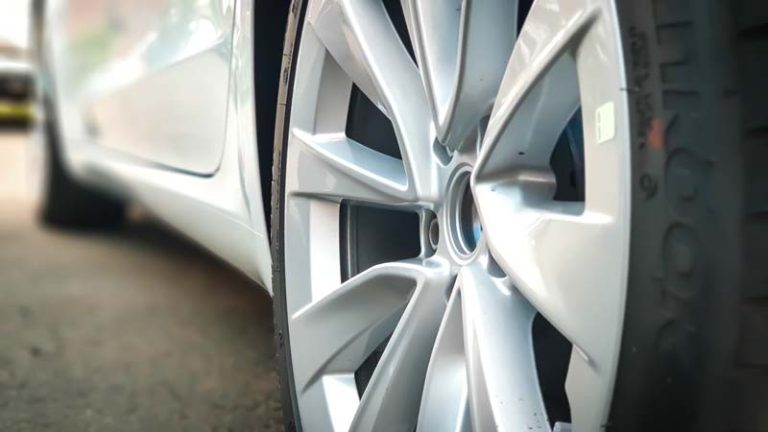
Directional tires feature V-shaped maintenance-oriented tread patterns that actively manage Hydroplaning dynamics by channeling water away from the contact patch. They’re identified by a sidewall arrow indicating their required rotation direction — mount them backwards and you’ve effectively turned a performance feature into a liability.
Non-directional tires run either way, supporting broader rotation patterns and generally delivering longer wear and a quieter ride.
Before your shop touches a single lug nut, they need to confirm which type you’ve got. That single check determines everything about which rotation pattern is even legal to perform. It’s also worth noting that Tesla builds its vehicles on a shared hardware platform, meaning trim-level differences across the lineup are often software-controlled rather than physical — but the tires themselves remain a mechanical variable no software update can compensate for.
Post-Rotation Calibration Drive
Knowing your tire type is only half the job — the other half starts the moment the shop puts the wheels back on. Tesla’s cameras recalibrate through real-world driving, and your post drive checklist matters. Here’s what any competent shop should confirm before handing back your keys:
- Autopilot may be limited until calibration completes (20–25 miles under good conditions)
- Straight multi-lane highways with clear lane markings accelerate the calibration timeline
- Pin to Drive must be disabled on radar-equipped vehicles before any drive-cycle calibration
- If alignment is out-of-spec, calibration won’t complete correctly — the rack comes first
Tesla’s eight surrounding cameras feed raw visual data into onboard neural networks for real-time object detection, meaning any disruption to camera positioning during a wheel swap can affect how the system reads lane markings and surrounding vehicles until recalibration is complete.
Up to 100 miles may pass before full Self-Driving features return. A shop that doesn’t mention this isn’t finished with your car.
How to Reset TPMS After a Tesla Tyre Rotation
Once your tyres are rotated, the good news is that Tesla’s TPMS system is largely self-sufficient — the car uses an auto-learning process to reidentify each sensor’s wheel position without any manual reprogramming on your part. Sensor pairing happens automatically once you exceed 25 mph (40 km/h), with full drive diagnostics typically completing within about 20 minutes of driving.
If values from your previous wheel positions still appear, pull up Controls > Settings > Service & Reset > Tyre Pressure Monitor > Reset Sensors** on the touchscreen. Make sure you select the correct wheel size — wrong selection** triggers false pressure warnings, which nobody wants chasing them down the motorway.
One practical note: let the car sit stationary for at least 20 minutes before running the reset if residual pressure readings persist. If warnings remain after driving, repeat the reset procedure rather than ignoring the alert. Tesla’s over-the-air updates can also modify TPMS behaviour and sensor logic as part of firmware pushes delivered silently via Wi‑Fi or built-in cellular, so keeping your software current ensures the reset procedure works as intended.
Six Things That Separate a Good Rotation From a Costly Mistake
Rotating your Tesla’s tyres isn’t complicated, but the gap between doing it right and doing it expensively comes down to six specific details that most guides gloss over.
Tyre rotation isn’t complicated — but the difference between doing it right and doing it expensively is razor-thin.
- Rotate every 6,250 miles or when tread depth difference hits 2/32 in.
- Identify directional tyres before moving any wheel — that sidewall arrow isn’t decorative.
- Request alignment checks if wear looks uneven side-to-side; rotation alone won’t fix a geometry problem.
- Confirm wheel balancing after every rotation — imbalance accelerates the exact wear you’re trying to prevent.
Beyond the list, use a jack pad adaptor to protect the battery enclosure, loosen lug nuts before lifting, and torque them back to 129 lb-ft. Inspect sidewalls for bulges and valve stems for damage while you’re there. Document your pattern. Skipping these steps doesn’t save time — it manufactures future expenses.
After a tire rotation, Tesla owners often notice that even small PSI differences can quietly affect range, ride comfort, and how evenly the tires wear over time. That’s where something like an EPAuto 12V Portable Air Compressor Pump becomes useful in a very practical way, since it lets you correct pressure immediately after a rotation or top-up without needing a shop visit.
Frequently Asked Questions
Can I Rotate Tesla Tyres Myself at Home Without Special Equipment?
You can rotate your Tesla’s tyres at home, but you’ll need special equipment. A proper jack pad and lug wrench are essential to avoid damaging your battery and correctly torque your wheel nuts.
Does Tyre Rotation Void My Tesla Warranty if Done at a Third-Party Shop?
No, it doesn’t. Like a library book returned by a friend, the act itself isn’t the problem — damage caused is. Third-party rotation won’t trigger warranty implications unless mishandling occurs; keep your service documentation tight.
How Long Does a Tesla Tyre Rotation Appointment Typically Take?
Your Tesla tyre rotation appointment duration typically runs 30–60 minutes at most shops. If your technician works through a full service checklist, expect closer to an hour, especially at Tesla Service Centers.
Should I Rotate Tyres Before or After a Long Road Trip?
Rotate before if you’re near Tesla’s 6,250-mile interval — a pre trip inspection catches uneven wear early. Rotate after if the trip itself pushes you past the threshold, making post trip balancing the smarter move.
Do All Four Tesla Tyres Need Replacing if One Is Beyond Saving?
No, you don’t need to replace single damaged tyre means all four. Check tread depth differences and alignment implications first. If your other three tyres wear evenly and remain healthy, replacing only the damaged one’s perfectly acceptable.