
Cold weather doesn’t just drain your Tesla’s battery — it chemically fights back, thickening the electrolyte and slashing charging speeds by up to 50%. Most drivers blame the cold and move on. But preheating the battery changes everything, and the method you choose determines whether you’re actually saving energy or wasting it. The timeline, your charge connection, your destination — each variable shifts the equation. Get it wrong, and you’ve defeated the entire purpose.
Preheat Your Tesla Battery Before It Costs You Range
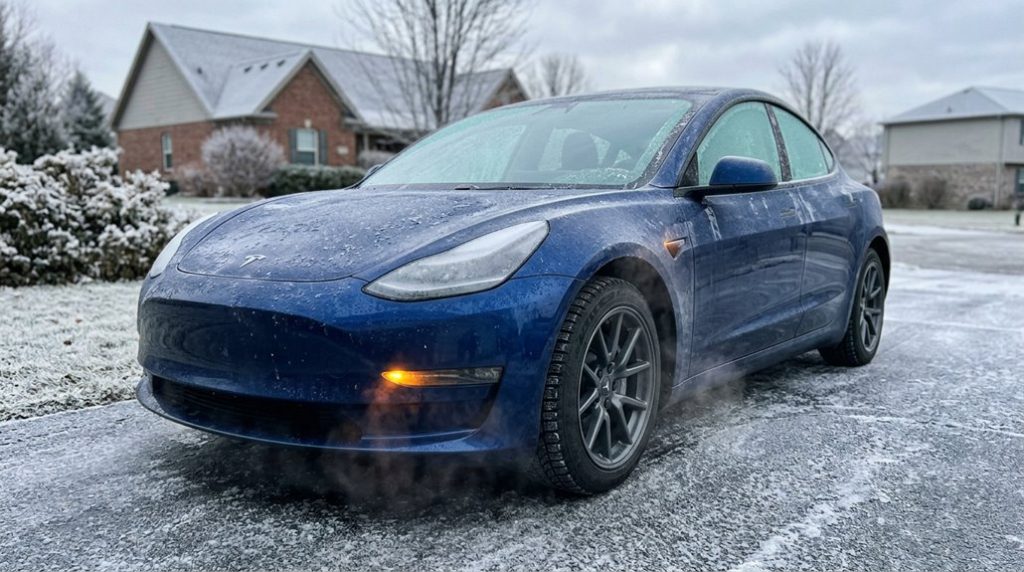
Cold weather doesn’t just make your morning commute miserable — it cuts into your Tesla’s range before you’ve even left the driveway.
Cold storage effects slow your battery’s electrochemical reactions, reducing available power and limiting how efficiently energy converts to motion.
Cold temperatures slow battery chemistry, stealing range and power before you’ve turned the wheel.
That’s not a thermal management myth; it’s basic battery physics working against you.
Tesla recommends warming both the cabin and battery before driving to recover maximum range and performance. Preconditioning engages automatically when your navigation is routed toward a Supercharger destination, allowing the heat pump and octovalve to redistribute thermal energy efficiently before you arrive.
Seat heaters are your friend here — they consume markedly less energy than full cabin heating, so you’re not burning range just to stay comfortable.
Cold batteries also charge slower, meaning skipping preheat costs you twice: once on the road and again at the Supercharger.
The fix is straightforward.
Start preconditioning 30–45 minutes before departure, ideally while still plugged in.
That way, your battery reaches operating temperature without drawing down the pack you’re about to drive on. In cold conditions, regenerative braking is limited until the battery warms up, which can trigger dashboard warnings and noticeably change how the car decelerates.
Use the Tesla App’s Climate or Defrost to Warm the Battery
| Feature | Primary Function | Warms Battery? |
|---|---|---|
| Climate | Cabin temperature control | Yes, as needed |
| Defrost | Ice/frost removal | Yes, as needed |
| Range Mode | Limits climate power | Reduces warming intensity |
| Preconditioning Alert | Driver notification | Confirms target reached |
| Timing Recommendation | 30–45 min before departure | Varies by temperature |
Start preconditioning 30–45 minutes before driving. Outside temperature affects duration, so colder conditions mean longer warm-up cycles. For app troubleshooting, check whether Range Mode is enabled — it limits climate power and can noticeably reduce preconditioning effectiveness.
A battery temperature of around 40°C is recommended to ensure the fastest possible charging speeds at a Supercharger. The Tesla app also allows you to schedule a departure time overnight so the vehicle completes preconditioning exactly when you need it, aligning with off-peak electricity rates.
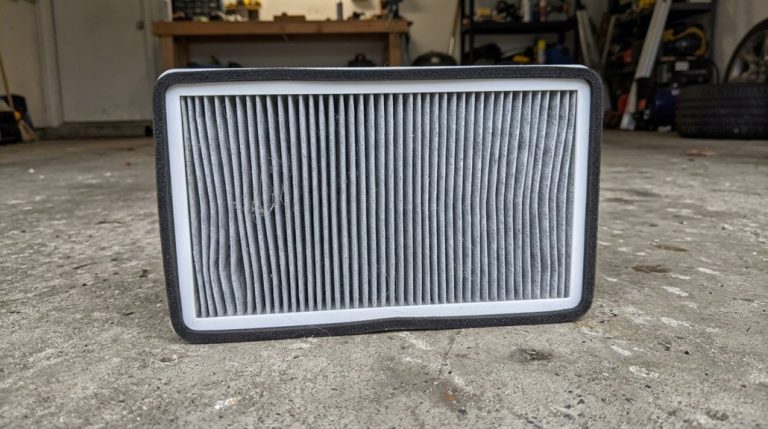
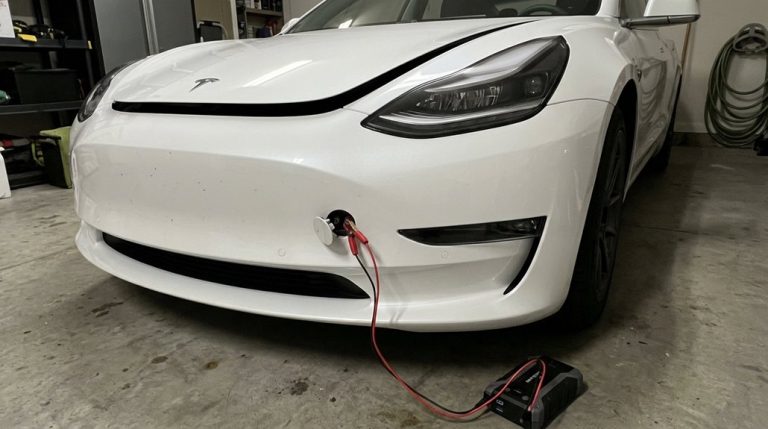
If you preheat your Tesla overnight, a loose or tangled charging cable can quietly turn into daily frustration—and wear on your connector. Keep everything secure and ready by upgrading your setup before winter mornings make it worse.
Schedule Preheating So Your Tesla Is Ready at Departure
Access the schedule through your touchscreen or Tesla app’s Charging tab, then configure:
- Time and days — set recurring schedules to avoid schedule conflicts on days you don’t drive
- Location — tie the schedule to home, work, or current location so it only activates where intended
- Lead time — allow 30–45 minutes minimum (more in extreme cold) since preconditioning time scales with outside temperature
Tesla lets you schedule up to 24 hours ahead, which matters across time zones if you’re coordinating remote vehicle prep. You can confirm your current software build number by navigating to the car icon, then Controls, then Software on the touchscreen.
Below 40°F (4°C), proper scheduling can improve charging efficiency by 15–25%, making the roughly 8 kWh preheating cost genuinely worthwhile. Note that battery preheating will not activate if your car is plugged in during the cycle.
Navigate to a Supercharger for Automatic Battery Preheating
Scheduling preheating from home covers one scenario well, but what about longer road trips where you’re stopping at a Supercharger mid-route? Tesla handles this differently — and more automatically.
When you enter a Supercharger as your destination using route guidance, the car begins warming the battery pack while you’re still driving toward it. No manual intervention needed.
Set a Supercharger as your destination and Tesla quietly begins warming the battery before you even arrive.
Here’s the mechanism: Tesla’s route-planning system uses charger mapping data alongside your route distance and ambient temperature to calculate when preconditioning should start. Cold weather triggers an earlier warm-up window. Without preconditioning, cold battery chemistry slows the electrochemical reactions inside the pack, meaning the battery management system must impose lower power limits even at a high-output V3 or V4 Supercharger.
Shorter trips may not allow full thermal preparation before arrival, so charging speeds could still be limited (physics doesn’t negotiate). For long journeys with multiple stops, simply enter your final destination and the vehicle plans every charger stop and preheats automatically for each one. Multiple Supercharger stops are handled without requiring you to manually re-trigger the process at each leg.
The key requirement is simple — the Supercharger must actually be entered into the route plan. Just driving toward one without setting it as your destination won’t activate this workflow. Route guidance is the trigger, not proximity.
Plug In While Preheating So the Grid Powers It, Not Your Battery
During preheating, your Tesla draws real energy — and if it’s pulling that energy from the battery you’re trying to warm up, you’re running in circles. Plugged preconditioning solves this cleanly. When you’re connected to a charger, grid powered heating takes over the thermal load, so your battery doesn’t pay its own warming bill.
Tesla confirms it’s safe to leave your car plugged in indefinitely, and the advantages stack up fast:
- Energy source shifts to the grid, preserving the battery charge you actually need for driving
- Climate and battery warming run simultaneously, without competing for stored energy
- Scheduled Precondition works best plugged in, especially at home or work where charging infrastructure is already available
Think of it as outsourcing the expensive part. Start preconditioning 30–45 minutes before departure, stay connected, and you’ll unplug with a warm battery and a full charge. For LFP battery owners, this plugged-in habit pairs especially well with the recommendation to charge to 100% at least once per week for battery management system calibration.
A cold morning preheat in your Tesla shouldn’t mean your cabin is fighting against yesterday’s heat loss. Without proper insulation, you end up draining more battery than necessary just to get comfortable. Cut the waste and keep your cabin ready for faster, easier preconditioning by grabbing this Tesla-fit windshield sun shade before the next winter drive makes it obvious you needed one.
Frequently Asked Questions
Can Seat Heaters Replace Cabin Heating to Save Energy While Preheating?
Like a campfire warming only those huddled closest, seat heaters handle passenger comfort efficiently. You’ll save energy with this heating strategy, but the energy tradeoffs matter—seat heaters can’t replace cabin heating’s battery-warming role.
What Temperature Should I Target When Preheating My Tesla Battery?
Target 40–50°C for optimum temp before fast charging. You’ll protect battery longevity by staying within this range—40°C signals readiness, while 45–50°C delivers peak Supercharging performance in cold conditions.
Does Preheating Still Work if My Tesla Is Not Plugged In?
Yes, preheating works without being plugged in, but it drains your battery. Use your app’s keyless access features to activate climate controls and watch mobile alerts—you’ll trade stored energy for a warm cabin and ready battery.
How Does the S3XY App Enable Remote Battery Preheating Automatically?
You’ll set a temperature marker in the Commander tab, and the S3XY App uses over-the-air commands, wake on Bluetooth, remote scheduling, and geofence triggers to automatically coordinate cabin preconditioning with battery warming.
Does Excessive Preheating Waste Energy on Short or Mild-Weather Trips?
Why heat more than you need? Yes, excessive preheating causes short trip waste and diminishing returns. In mild weather, your battery’s already near ideal temps, so you’ll only burn energy unnecessarily.