
Picking a Tesla colour feels trivial — until you realise it could cost you $2,500 extra upfront and quietly drain your resale value years later. The shade on your hood influences how often you’re hand-washing on Sundays, what a buyer will pay when you’re ready to sell, and whether Pearl White is genuinely the smartest financial move or simply the cheapest one. Before you click confirm on that configuration screen, there’s more going on beneath these paint options than most buyers ever consider.
Tesla Paint Colors: What’s Available and What Each Costs
Tesla’s current factory paint lineup spans four main models—Model S, Model X, Model 3, and Model Y—and the options shift depending on your region, trim level, and even which factory built the car. You’re not just picking aesthetics; color psychology, paint durability, and environmental impact all factor into long-term ownership satisfaction.
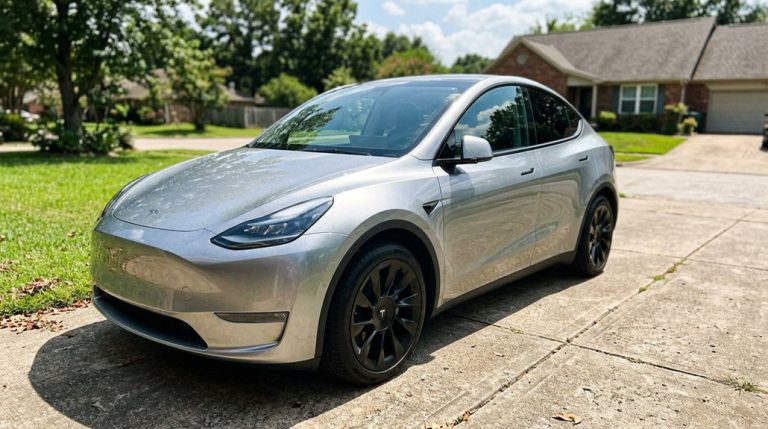
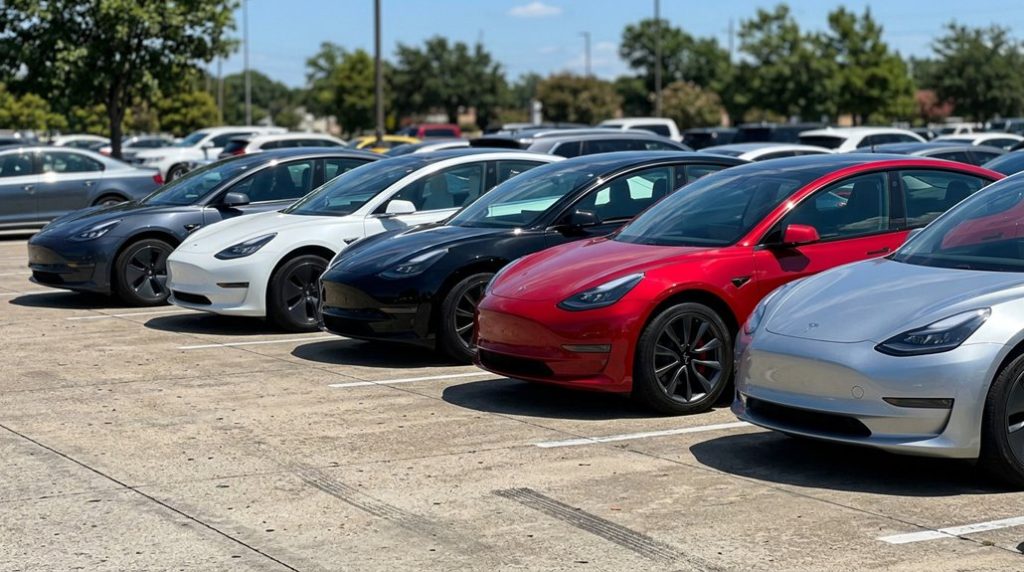
Pearl White Multi-Coat (paint code PPSW) frequently serves as the default no-cost option across models. Solid Black (PBSB) sits at an entry premium, while Deep Blue Metallic typically carries a mid-tier upcharge. Red Multi-Coat usually commands the highest premium in the mainstream Model 3 palette. Marine Blue runs $1,000 USD on North American Model 3 and Model Y trims.
Regional exclusives like Quicksilver and Midnight Cherry Red exist for European and Middle Eastern markets—application techniques and factory processes vary by location. Midnight Cherry Red achieves its distinctive finish through thirteen paint layers applied in sequence at the factory. Always verify current pricing through Tesla’s configurator before ordering.
When selecting a factory color, it is also worth noting that Tesla evaluates each claim individually on a repair-by-repair basis, meaning post-purchase paint protection choices—such as PPF or aftermarket coatings—should be researched carefully to avoid unintended warranty implications on body and paint coverage.
Which Tesla Colors Show Scratches and Swirl Marks Most?
Not all Tesla colors age equally under real-world conditions, and if you’re deciding between finishes, scratch and swirl mark visibility should factor into that decision. Tesla’s paint is markedly softer than most factory coatings (a consequence of water-based formulation), meaning defects appear sooner and more visibly regardless of color.
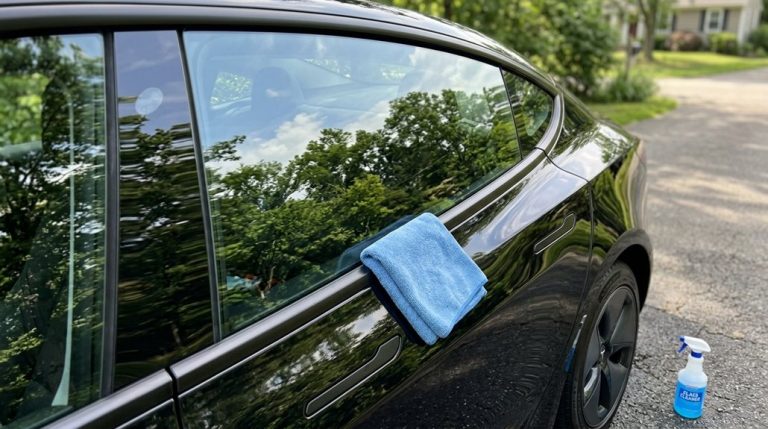
Dark finishes carry the steepest visual penalty here. Black amplifies light reflection patterns, turning ordinary wash-induced swirl marks into a roadmap of every careless sponge stroke. Deep blues behave similarly under direct sunlight. These colors demand consistent maintenance tips like ceramic coating applications and proper two-bucket wash methods just to stay presentable.
White and silver perform appreciably better. Pearl White Multi-Coat disguises minor primer-level scratches because exposed damage blends tonally with surrounding paint. Silver Metallic‘s reflective metallic flakes visually scatter fine marring, reducing contrast. Metallic blacks like the now-discontinued Obsidian Black Metallic similarly used metallic flakes to mask imperfections better than a flat black finish ever could. Tesla’s over-the-air software updates can introduce new vehicle features post-purchase, but no update has ever addressed the fundamental softness of the factory paint that makes these color choices so consequential in the first place. If low visual upkeep matters, lighter shades win decisively.
Choosing the right Tesla color is exciting, but the real regret often comes months later when small stone chips, swirl marks, and road debris start dulling that perfect finish you paid for. Protect your paint from day one by applying a Tesla paint protection film (PPF) clear wrap kit so your chosen color stays sharp, clean, and factory-fresh for far longer than an unprotected finish ever could.
How Tesla Paint Color Affects Resale Value
Scratch visibility and paint condition matter at sale time, and those two things connect directly to color choice—because the colors that show wear fastest also tend to drag resale numbers down when the car isn’t in excellent shape. Solid Black looks sharp new but punishes you at trade-in if swirl marks and dust are visible in listing photos. Buyer psychology does real work here—shoppers scroll past tired-looking dark cars quickly.
Pearl White Multi-Coat and Midnight Silver Metallic consistently rank as Tesla’s safest resale bets, attracting broader buyer pools and fewer objections. Regional trends matter too; neutral colors move reliably across most markets where enthusiast demand is thin. Paint color upgrades typically add $1,000–$2,500 upfront at configuration, meaning the color decision carries financial weight before the car ever depreciates.
The financial stakes aren’t trivial. A tracked study of 3,000 used Teslas found color swinging resale by nearly $1,000 between otherwise identical vehicles. On a $45,000 Model Y, a 2–3% color-driven difference clears four figures fast. Specific data from that study shows red Model X listings take a $729 hit compared to more neutral color options, while cream interiors add over $1,200 in value.
Protecting Your Tesla’s Paint: Washing, Sealing, and Touch-Ups
Keeping your Tesla’s paint in good shape starts with washing it correctly—and that’s where most owners quietly go wrong.
Use pH-neutral shampoo with a two-bucket method to prevent swirl marks, which show aggressively on Tesla’s notoriously soft clear coat.
Microfiber drying towels beat air-drying every time by eliminating water-spot minerals left behind after evaporation.
Sealing matters just as much.
Ceramic coatings outperform traditional wax markedly, offering stronger chemical resistance and easier ongoing cleaning.
Decontaminate first (iron remover, then clay bar) before applying any sealant—contaminated surfaces compromise adhesion and shorten protection life considerably.
Touch-ups require color-matched factory kits, thin layering, and clear coat finishing to restore gloss properly.
Surface preparation is non-negotiable; wax residue kills adhesion immediately.
Paint conditioning and regular inspections complete your defense strategy. Documenting your paint condition alongside your vehicle’s service history records can strengthen resale value by demonstrating consistent care to prospective buyers.
Catching chips early stops moisture from reaching bare metal, protecting both your paint and your resale value simultaneously. Owners of Midnight Silver should inspect particularly often during winter months, as road salt accumulation on this metallic finish is highly visible and can accelerate surface deterioration if left unaddressed.
Once you choose your Tesla’s color, keeping it looking sharp day-to-day is where most owners fall behind—water spots, light dust, and dulling paint build up faster than expected. Keep that showroom gloss without constant detailing by using a Tesla ceramic coating spray kit so your paint stays slick, easier to clean, and noticeably richer in finish with far less effort.
Frequently Asked Questions
Can Tesla Factory Paint Be Color-Matched by Independent Body Shops?
Like a tailor fitting a bespoke suit, independent shops can match Tesla’s factory paint. They’ll use color matching, perfected paint formulas, color durability testing, and expert shop techniques to replicate your vehicle’s finish closely.
Does Tesla Offer Paint Warranties Separate From the Vehicle Warranty?
Tesla doesn’t offer a separate paint warranty or extended coverage plan. Your factory paint defects fall under the standard New Vehicle Limited Warranty, so you’ll want to inspect your vehicle carefully at delivery.
Are Certain Tesla Colors Exclusive to Specific Trim Levels Only?
Tesla doesn’t enforce strict trim exclusivity, but you’ll notice color restrictions in practice. Premium shades like Ultra Red and Quicksilver tie to higher-cost builds, while Stealth Grey serves as the default free option across recent configurations.
How Long Does Tesla’s Factory Paint Application Process Actually Take?
Like wet paint drying under an invisible clock, you won’t find Tesla’s exact paint curing time breakdown anywhere—they don’t publicly share it, keeping their optimized production process quietly behind factory doors.
Can Customers Request Custom Colors Directly Through Tesla’s Ordering System?
You can’t make custom requests directly through Tesla’s ordering system. You’re limited to their preset colors, so if you want something unique, you’ll need to investigate third party wraps after purchase.