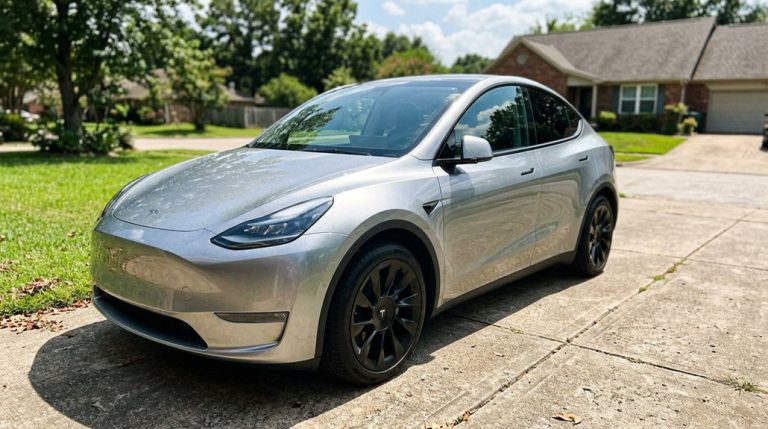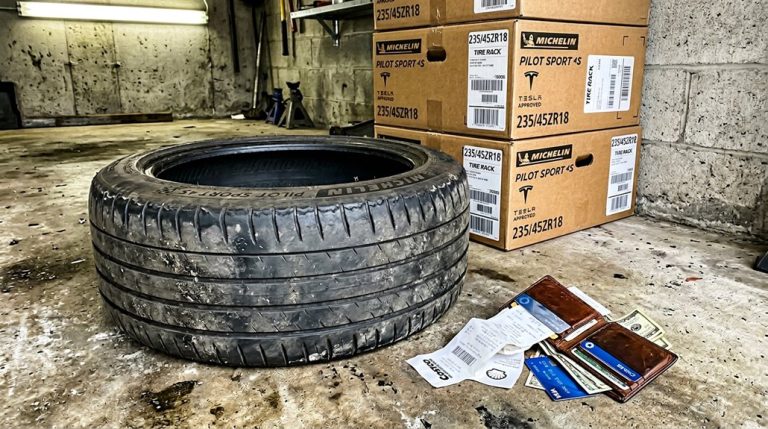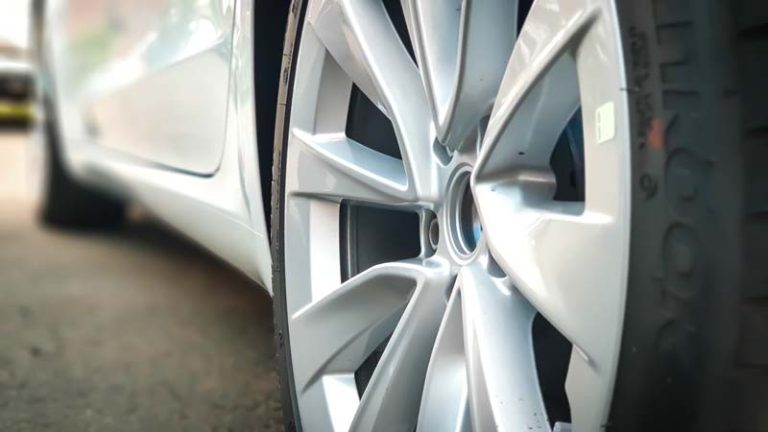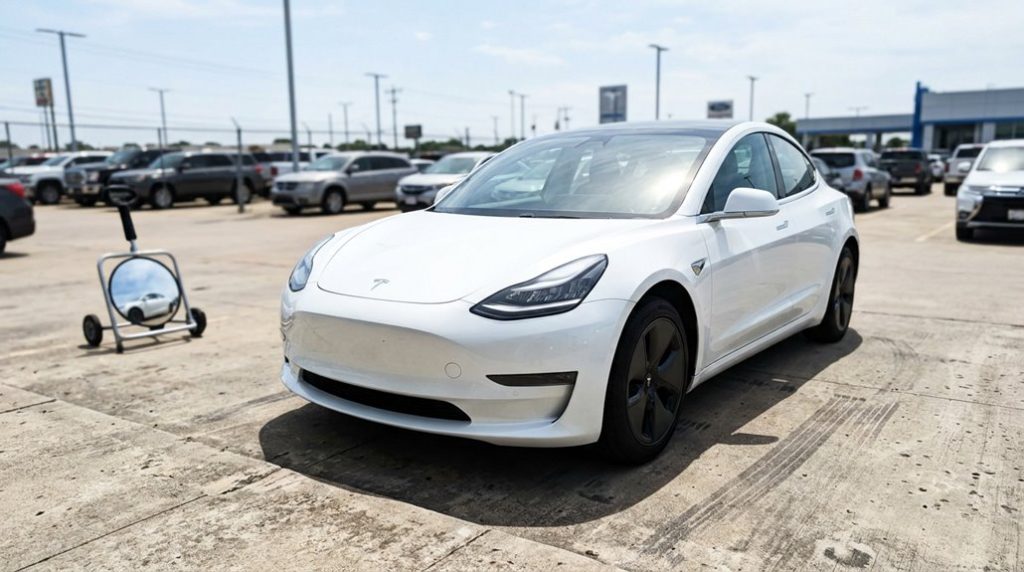

Tesla doesn’t negotiate your trade-in — an algorithm does. Before a single human reviews your vehicle, a remote valuation model has already decided what it’s worth using photos, VIN data, and criteria Tesla won’t fully disclose. Most drivers assume condition is everything. They’re wrong. Knowing exactly what that invisible system penalizes — and what it rewards — could mean hundreds, even thousands, of dollars more in your pocket.
How Tesla’s Remote Trade-In Appraisal Actually Works
Before Tesla will give you a real number on your trade-in, it runs your vehicle through a remote appraisal process that’s faster than a dealership inspection but just as dependent on accurate inputs. You’ll start by entering your VIN, odometer reading, and configuration details — the core data points Tesla uses for data verification before any valuation begins.
From there, you’ll upload photos covering exterior panels and interior condition. Think of it as a digital handshake: Tesla’s system cross-references your submitted information against its in-house valuation model. There’s no algorithm transparency here — Tesla doesn’t publish its pricing formula — but the outputs reflect mileage, configuration specifics, and reported condition.
The initial estimate isn’t a binding offer (that distinction matters). Tesla typically returns a final quote within 24 hours after your photo and ownership documents are submitted. That final offer holds for 30 days or 1,000 miles, whichever comes first. It’s also worth noting that non-Tesla vehicles are valued using external sources like Edmunds or Kelley Blue Book, while used Teslas are evaluated entirely through Tesla’s internal calculations. Non-Tesla EVs seeking to charge on Tesla’s network can access 17,800+ Tesla Superchargers via a dedicated NACS adapter, a detail that may factor into how cross-brand EV trade-in demand is shaped over time.
How to Prep Your Car Before Submitting a Tesla Trade-In
Getting an accurate remote appraisal from Tesla depends almost entirely on what you submit — which means the condition of your car before you upload photos and documentation directly shapes the number you’ll receive.
The offer Tesla gives you is only as strong as what you submit.
Start with a thorough cleaning checklist: wash the exterior (wheels and wheel wells included), vacuum every interior surface, and eliminate odors from pets, smoke, or mildew. Greasy interior dressings photograph poorly, so skip them. Fix burned-out bulbs, loose trim, and curb rash on wheels — small repairs that cost little but signal a well-maintained vehicle.
Documentation prep matters equally. Gather your title, service records, tire receipts, and registration before submission. Confirm your VIN matches every document you’re uploading. Providing documented proof of routine maintenance such as tire rotations and cabin filter replacements strengthens your submission, as service records attach to the vehicle’s history and can positively influence the appraised value.
Photograph everything in daylight, including known defects. Omitting damage doesn’t help — Tesla adjusts offers when condition discrepancies surface during physical inspection. Accurate mileage, honest condition ratings, and complete paperwork protect your estimate from unnecessary last-minute reductions. Keep in mind that your estimate stays valid for 30 days but can shift with added mileage or market changes before delivery day.
A trade-in inspection doesn’t give second chances—what they see first is usually what they base your offer on, and a dusty screen, or worn-looking seats can pull your valuation down. Make sure your Tesla looks like it’s been cared for down to the last detail by giving it a proper refresh with a interior detailing cleaning kit so you don’t lose money over things that take minutes to fix.
What Tesla Looks at When Setting Your Trade-In Price
Once you submit your trade-in request, Tesla runs your vehicle through a structured evaluation that weighs several distinct factors — and grasping what those factors are explains why two similar-looking cars can land at very different numbers.
Tesla isn’t guessing. It’s cross-referencing your submission against real data points:
- VIN and configuration confirm exact trim, equipment, and model-year specifications
- Mileage signals remaining useful life and resale demand
- Condition category (excellent, good, or fair) directly shapes the offer
- Title status eliminates branded titles — salvage, rebuilt, flood — immediately
- Photos let Tesla verify your stated condition against visual evidence
Service records strengthen your case by proving consistent maintenance. Aftermarket modifications, however, often work against you — Tesla’s resale channel favors stock configurations buyers can confidently assess. Paint color choices can also influence your trade-in outcome, since UV-resistant colors like white tend to show less fading and signal better long-term condition to evaluators.
Major damage, airbag activation, or a troubled CARFAX history each compress your number sharply. Clean documentation simply negotiates better than vague assurances.
Tesla’s offers are based on competitive market rates, meaning the final number reflects broader pricing trends rather than any single appraisal judgment made in isolation.
When a trade-in evaluator walks around your Tesla, they’re not looking at how it drives—they’re looking at the small signs of wear that add up fast. Those tiny scuffs can quietly drag your offer down even if the car is mechanically perfect. Stay ahead of that depreciation by protecting the spots inspectors always notice first with this paint protection film kit so your Tesla looks as close to “garage-fresh” as possible.
How Long Your Tesla Trade-In Offer Stays Valid
Knowing exactly how long your trade-in offer stays valid changes how you time the whole transaction — and Tesla actually issues two distinct offers, each governed by its own clock.
The initial estimate, built from your submitted VIN, mileage, and photos, lasts 7 days. Miss that window, and you’re resubmitting from scratch.
The final offer works differently. Once you’ve placed your Tesla order, that offer holds for 30 days — but expiration timing isn’t your only concern. Tesla ties the offer to a specific odometer baseline, meaning you’ve got roughly 1,000 miles of breathing room before mileage limits trigger a reappraisal. Drive more than that (commuters, take note), and the number changes.
Delivery delays complicate both clocks simultaneously. If your delivery date shifts, your offer may expire before handoff, requiring a refreshed evaluation. Submit your trade-in information closer to your actual delivery window to minimize that risk. Keeping professional installation records and receipts for any modifications made to your vehicle can also support your position if Tesla’s evaluation flags aftermarket components during appraisal. If your offer does expire and you need to resubmit, support can pull your trade-in back into your profile after VIN assignment, with an updated odometer photo required to complete the refresh.
What Tesla Does With Your Car on Delivery Day
Delivery day for your trade-in isn’t the chaotic paperwork scramble you’d expect from a traditional dealership — Tesla front-loads most of that friction into the app well before you show up. By the time you arrive, payment, insurance proof, and signed documents are already submitted.
Here’s what actually happens on-site:
- Tesla staff review your pre-submitted paperwork before releasing the vehicle
- You perform a final inspection covering exterior paint, panel alignment, interior trim, and screen functionality
- You test AC, audio, and steering wheel adjustments before committing
- The quick handoff (typically 10–15 minutes) happens only after you accept delivery inside the Tesla app
- Post-acceptance, your Monroney Label, purchase documents, and phone key setup become immediately available
During your screen functionality check, it’s worth noting that the Model 3 and Model Y rely on a single 15.4-inch display to handle every vehicle function — from navigation and climate to vehicle settings — so confirming it’s fully responsive before acceptance is especially critical.
That app-based “accept delivery” button is the real threshold. Until you tap it, the car isn’t legally yours — so inspect thoroughly before you do.
Frequently Asked Questions
Can You Trade in a Non-Electric Vehicle Toward a Used Tesla Purchase?
Like trading old keys for new horizons, you can absolutely trade in a non-electric vehicle toward a used Tesla. Tesla’s non electric valuation and combustion incentives mean your ICE car qualifies for credit.
Does Tesla Accept Vehicles With Existing Loans or Negative Equity?
Yes, Tesla accepts vehicles with existing loans. They’ll handle your loan payoff directly with your lender. If you’re carrying negative equity, you may cover the difference at delivery or roll it into financing.
Will Prior Accident History Automatically Disqualify My Car From Trade-In?
No, prior accident history won’t automatically disqualify your car. Tesla treats accident reportability as a pricing factor. However, you’ll face deeper scrutiny and a lower offer if there’s frame damage involved.
Can Full Self-Driving Capability Transfer to a New Tesla Owner?
Like a library card that doesn’t always transfer to a new borrower, FSD’s software licensing and license transfer depend on Tesla’s current policy—you’ll need to confirm transferability at the time of your specific transaction.
Does Tesla’s Trade-In Value Differ Based on Your Geographic Region?
Yes, Tesla’s trade-in value differs by region. Local demand and regulatory incentives in your area directly influence what you’ll receive, meaning identical vehicles can fetch thousands more or less depending on your market.