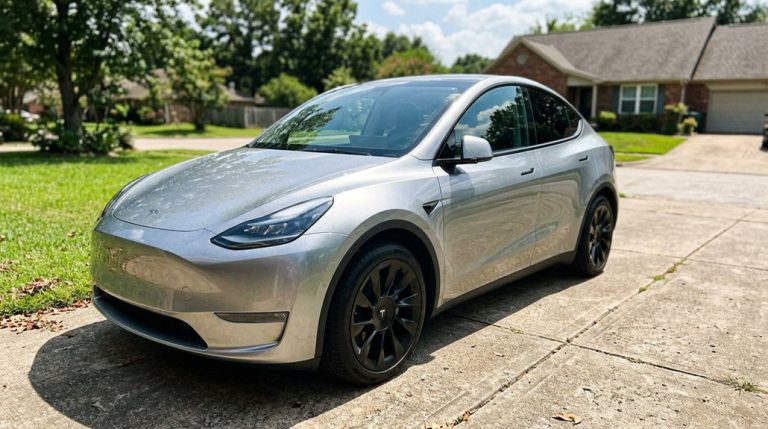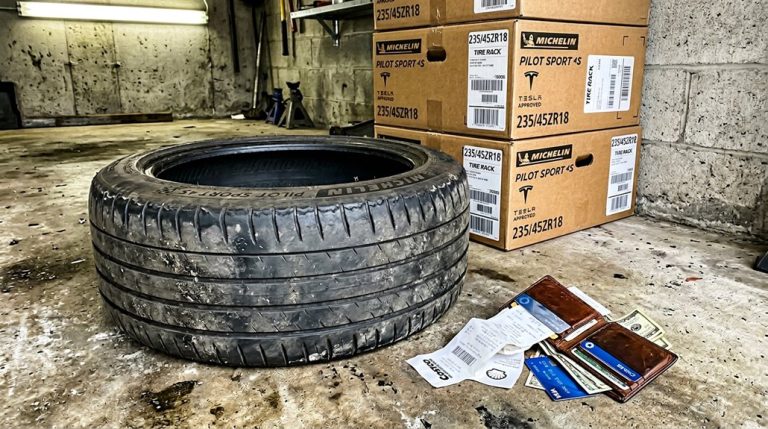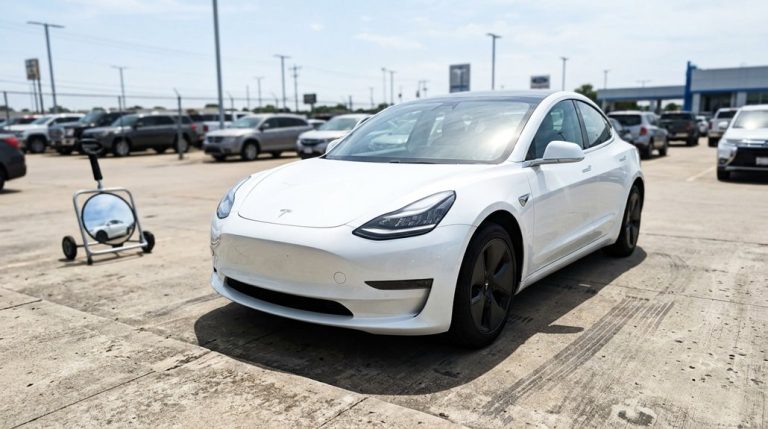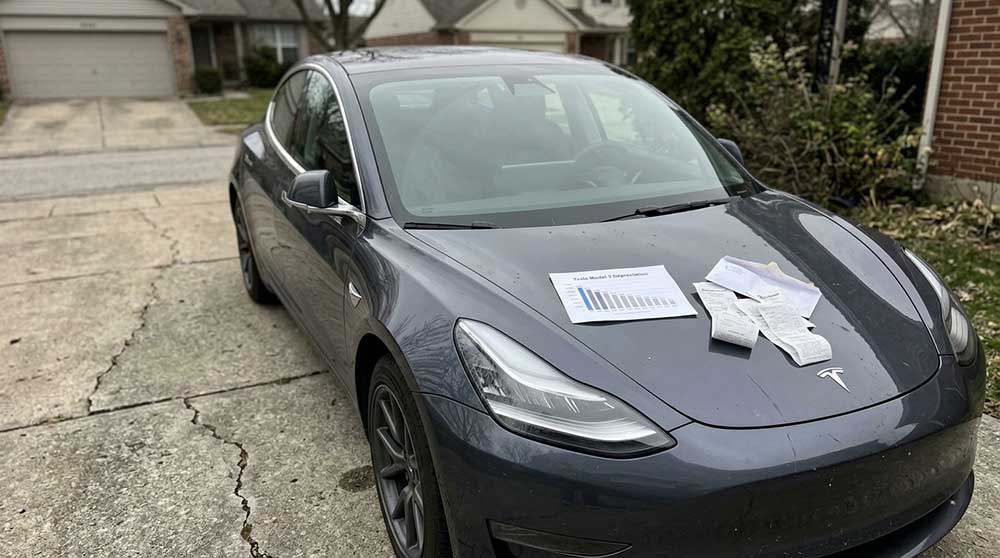

Electric cars are supposed to be the smarter financial choice—so why are some owners watching $20,000 disappear from a $40,000 purchase within just three years? EV depreciation runs between 38% and 61%, a range that makes petrol car owners quietly confident they made the right call. But not all electric vehicles bleed value at the same rate, and the reasons behind the numbers get surprisingly specific.
How Much Do Electric Cars Depreciate in 3 Years?
Electric cars depreciate hard in the first three years — that’s not a rumor, it’s a recurring pattern backed by multiple market sources. You’re looking at roughly 52–61% value loss depending on which dataset you trust. Webuyanycar’s 2025 data puts the average EV at 61.1% depreciation by 36,000 miles, while Cox Automotive Europe reports a somewhat milder 38–42% loss. That’s a meaningful spread, and it matters when you’re calculating real ownership costs.
The steepest losses typically hit early — around 40% gone after just one year. Battery chemistry concerns and patchy charging infrastructure have historically spooked used-car buyers, suppressing residual values market-wide. A £30,000 EV could realistically be worth £12,000–£14,400 by year three. Model choice sharpens that range considerably — the Tesla Model 3 retains roughly 60.9%, while the Renault ZOE holds just 37.27%. Those aren’t rounding errors; that’s thousands of pounds difference. For context on just how steep EV depreciation can run, KBB’s five-year cost-to-own data for the Model 3 Long Range attributes £31,175 to depreciation alone out of a total £66,185 ownership cost.
Why EVs Depreciate Faster Than Petrol Cars
Faster depreciation in EVs isn’t random bad luck — it’s the product of several converging pressures that petrol cars simply don’t face at the same intensity. Battery transparency matters enormously here; buyers can’t easily verify cell health, so they price in the worst-case scenario. Software obsolescence compounds this, making three-year-old EVs feel like three-generation-old smartphones.
- Battery uncertainty: Unknown degradation history creates immediate buyer hesitation, dropping offers fast
- Tech leapfrogging: A 2022 EV’s range often looks embarrassing beside a 2025 equivalent
- Supply floods: Ex-fleet and lease returns saturate the used market simultaneously
- Range anxiety: Older models with shorter range lose buyers to newer, capable alternatives
- Incentive erosion: Fresh government subsidies on new EVs make used examples harder to justify financially
Petrol cars sidestep most of these pressures entirely, benefiting from mature markets, predictable mechanics, and zero software obsolescence concerns. Unlike petrol vehicles, EVs receive remote software updates that can alter performance, charging behaviour, and even driving feel overnight, meaning a used EV’s characteristics may differ significantly from what the original buyer experienced.
Depreciation in EVs isn’t just about mileage—it’s heavily influenced by how the car looks over time. Even small paint chips, swirl marks, and bumper scuffs can make a Tesla feel older than it really is. A Tesla paint protection film kit helps shield high-impact areas from everyday road damage, preserving the factory finish and keeping the vehicle looking newer for longer, which is exactly what buyers notice first when it’s time to sell or trade in.
How New EV Price Cuts Make Depreciation Worse
Battery uncertainty and tech leapfrogging explain a lot of EV depreciation, but there’s a separate force quietly gutting resale values that has nothing to do with your car’s condition — manufacturer price cuts on new inventory. When Tesla slashes the Model 3’s price by $3,000 overnight, your used Model 3 immediately loses ground. Used-car pricing anchors to current new-car transaction prices, not what you originally paid. That’s market anchoring working directly against you.
Manufacturer incentives compound the damage further. A federal tax credit of up to $7,500 makes a brand-new EV with a warranty look dramatically more attractive than your lightly used listing. Buyers do the math quickly.
The numbers are brutal. Average used EV prices dropped roughly 47% — from $63,069 down to $33,645 — in under two years, largely tracking new-car price wars. Your depreciation curve starts the moment a manufacturer reprices their lineup. The Model S and Model X have felt this acutely, with steep value drops exceeding 15% in a single year while some gas vehicles actually appreciated in value.
Which EVs Depreciate Most After 3 Years?
Not all EVs are created equal insofar as holding their value — and after three years, the gap between winners and losers gets genuinely ugly.
Not all EVs hold their value equally — and after three years, the gap between winners and losers turns genuinely ugly.
Luxury oversupply and regional preferences both accelerate losses for certain models faster than you’d expect.
The worst offenders after three years include:
- Mercedes EQS — luxury oversupply crushes resale; used buyers won’t pay near-new prices
- Jaguar I-Pace — consistently tops depreciation rankings, often retaining roughly 46% of original value
- Audi Q8 e-tron — weak used-market support signals narrow regional preferences among buyers
- Nissan Leaf — aging range and slow charging make older units genuinely hard to sell
- Rivian R1S — projected residual value sits around 46.6%, despite strong initial enthusiasm
High MSRP amplifies dollar losses even when percentages look similar across models.
You’re not just losing a percentage — you’re losing thousands.
By contrast, the Tesla Model S has historically held its value better than most luxury EVs, in part because Tesla’s continuous over-the-air updates keep older vehicles feeling competitive with newer ones rather than obsolete.
What 3-Year EV Depreciation Costs You in Real Money
Knowing which models bleed value the fastest is useful, but the number that actually stings is the dollar figure leaving your pocket — not the percentage on a spec sheet.
| Purchase Price | Depreciation Rate | 3-Year Loss |
|---|---|---|
| $40,000 | 50% | $20,000 |
| $60,000 | 60% | $36,000 |
| $70,000 | 55% | $38,500 |
Those aren’t rounding errors — that’s real money evaporating while you sleep. At roughly $0.27 per mile in depreciation, driving 45,000 miles over three years costs you about $12,150 in value alone, before you factor in charging infrastructure costs or a potential battery replacement. ICE vehicles average closer to $0.11 per mile. Higher purchase prices amplify every percentage point lost, meaning a luxury EV doesn’t just cost more upfront — it costs more quietly, every single month you own it. The trim level you choose at purchase can quietly shape how much of that loss you actually recover when it’s time to sell. EVs depreciate 58.8% on average over five years, meaning the financial bleeding starts well before you ever consider selling.
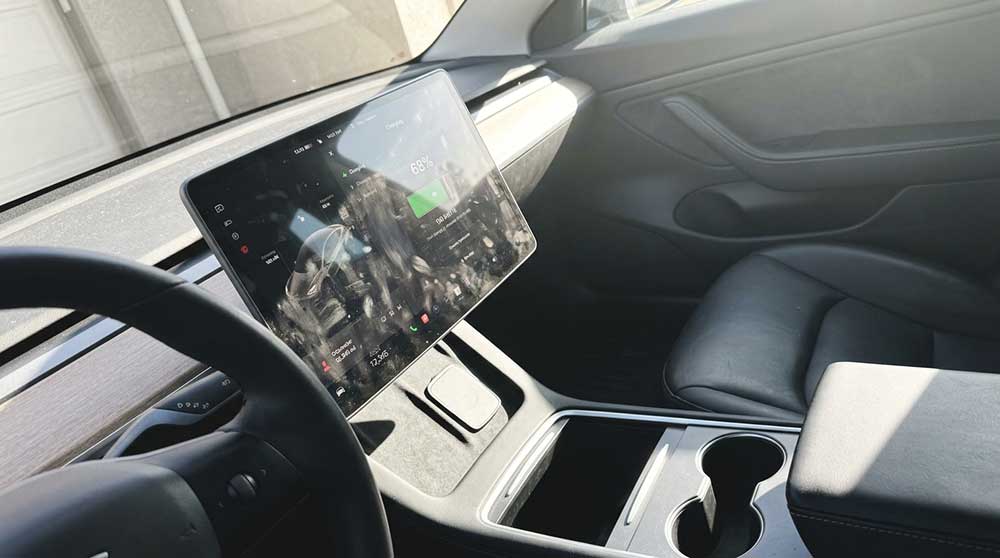
Interior condition plays a bigger role in EV resale value than most owners expect, especially in Teslas where the minimalist cabin makes wear on seats and trim far more noticeable over time. A Tesla interior protection kit helps guard against everyday wear from spills, passengers, and regular use, keeping the cabin looking cleaner and more consistent so the vehicle maintains a stronger impression when it’s time to resell.
Frequently Asked Questions
Does Battery Degradation Accelerate Depreciation Beyond Standard Market Value Losses?
Yes, battery degradation *can* accelerate your depreciation beyond standard losses. Poor thermal management speeds wear, pushing values lower than average. Strong battery warranties help offset buyer fear, but visibly reduced range compounds your existing market value drop considerably.
Can Leasing an EV Reduce Your Exposure to Three-Year Depreciation Costs?
Yes, short term leases shift depreciation risk to the lessor, protecting your wallet. You’ll lock in fixed payments, and maintenance bundles can further stabilize costs before EV resale values typically crater.
Does a Certified Pre-Owned EV Program Improve Resale Value Significantly?
Certified Pre-Owned programs do improve resale value modestly. Certified inspections reduce buyer hesitation, and warranty transferability expands your buyer pool. You’ll likely command a small premium, but it won’t fully offset EV depreciation’s broader market pressures.
How Does Mileage Above 10,000 Annually Affect Three-Year EV Resale Prices?
Driving high mileage above 10,000 annually hurts your resale perception markedly. You’ll face deeper depreciation, warranty impact concerns, and range anxiety fears from buyers who’ll discount your EV heavily at the three-year mark.
Do Federal Tax Credits Reduce the Effective Depreciation Cost for EV Buyers?
Yes, a tax credit lowers your after-tax price, reducing your net cost through purchase incentives. Your EV still depreciates at market rates, but you’ll absorb a smaller out-of-pocket loss when you sell.