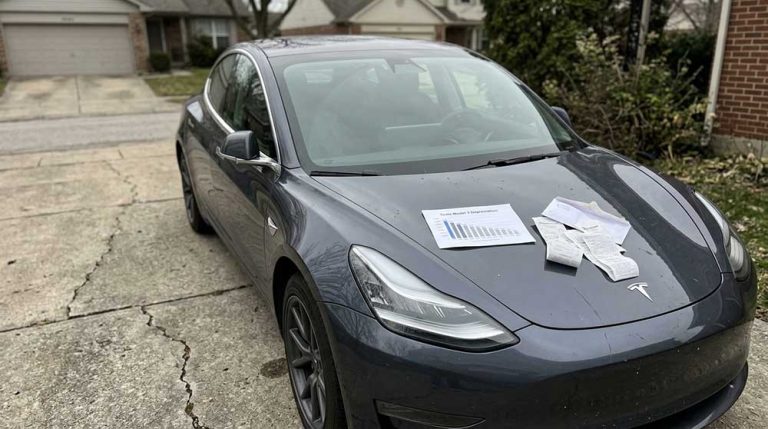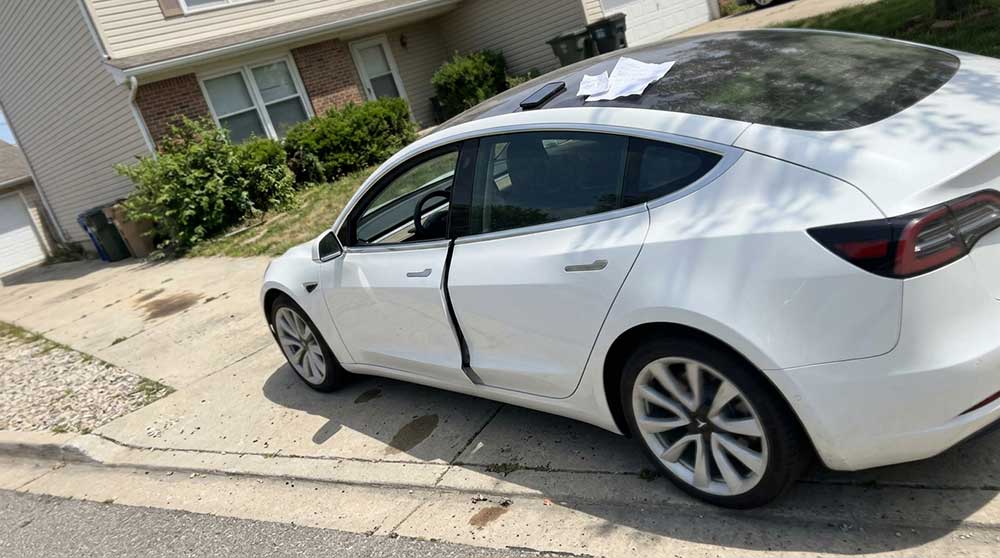

Most Tesla owners never track their car’s depreciation—until the moment they try to trade it in. Suddenly, you’re staring at competing numbers that don’t agree with each other. Tesla’s own valuation tool says one thing. Carvana says another. CarMax says something else entirely. That gap between those numbers isn’t random—it’s meaningful, and it could put thousands of extra dollars in your pocket if you understand what’s driving it.
Is Your Tesla’s Trade-In Value Based on What You Think?
Tesla’s online estimate tool pulls value from hard inputs: your VIN, model year, trim, mileage, and condition. Your emotional attachment to the car doesn’t factor in (never has, never will). The platform uses in-house valuation methods rather than relying on third-party calculators, meaning the number you see reflects Tesla’s internal market read.
Worth noting: Tesla explicitly states these estimates aren’t guaranteed. The final offer can shift as market conditions or condition details change between your initial quote and delivery. Appreciating this gap between perception and reality is the first step toward approaching your trade-in strategically.
In some provinces, trading in directly to Tesla carries a financial benefit beyond the offer itself: you may only pay sales tax on the difference between the new vehicle price and your trade-in value. Documented maintenance records — such as those stored in Tesla’s Service History — can support a stronger condition assessment, since service history records attach to the vehicle’s VIN and are visible to buyers and appraisers alike.
Trade-in value often comes down to small details that quietly shape an appraiser’s first impression, especially inside the cabin where wear shows up faster than most owners expect. That’s why many owners install Tesla All-Weather Floor Mats early on, since keeping the original carpeting protected is one of the simplest ways to avoid those avoidable condition deductions.
Tesla Trade-In vs. Third-Party Buyers: Where the Money Actually Goes
When you hand over your Tesla’s title through the trade-in portal, the transaction is engineered around convenience, not maximum payout. Tesla acquires your vehicle at a conservative price that preserves its own resale margin after reconditioning or wholesale disposition. That means dealer margins stay intact on Tesla’s side, and you absorb the difference.
Third-party buyers operate differently. Specialized used-EV platforms practice a form of retail arbitrage—they buy directly from you, skip wholesale intermediaries, and capture retail profit themselves. Because they’re competing for inventory, they’ll sometimes pass a portion of that margin back to you as a higher offer. Used Model 3 examples from 2021–2022 have traded in the $36,000–$44,000 range, illustrating the meaningful spread between what a trade-in portal might offer and what the open market will actually bear.
The tradeoff is straightforward: Tesla’s integrated workflow converts your car’s value into purchase credit almost effortlessly, but the gross dollar amount often reflects their acquisition math, not your vehicle’s full retail ceiling. If maximizing proceeds matters, the third-party route deserves a serious look before you click “Accept Offer.” Platforms like Carnex apply dedicated appraisal expertise to EV-specific value drivers—such as battery state of health, transferable Full Self-Driving packages, and regional demand patterns—that a standardized manufacturer trade-in process is unlikely to account for in your favor.
How to Prepare Your Tesla Before Requesting Any Offer
Before you request any offer—whether from Tesla directly or a third-party buyer—getting your car into its best presentable shape is the single most controllable variable in your valuation outcome.
Inspectors and algorithms alike penalize visible neglect, so your cleaning checklist matters more than most sellers assume.
Start with the obvious:
- Exterior and interior detailing: Clean glass, screens, trim, and cargo areas to eliminate cosmetic deductions before they’re assessed.
- Minor repairs: Replace burnt-out lights, top off maintenance items, and remove aftermarket modifications to return the vehicle to stock configuration.
- Ownership documents: Gather your title (or lender payoff information), current registration, service records, and VIN documentation before submitting anything.
Also clear personal data—phone pairings, saved route addresses, garage codes—because a clean digital handoff signals responsible ownership.
Take timestamped photos before submission, and cross-reference your mileage against Kelley Blue Book or Edmunds.
Preparation isn’t optional; it’s leverage. If you’re carrying a loan, know your exact payoff amount before entering any trade-in conversation, because negative equity present can significantly affect how your trade-in credit applies toward a new purchase. Keep in mind that Model 3 resale value tends to stabilize around 45–50% of original value after five years, so timing your trade-in strategically can meaningfully affect the offer you receive.
When to Accept a Tesla Trade-In Offer and When to Walk Away
Getting your Tesla into showroom condition buys you influence at the inspection stage—but preparation alone doesn’t guarantee you’ll make the right call when an actual number lands in your account portal. Tesla doesn’t negotiate trade-in values, so you’re working with a take-it-or-leave-it system from the start.
Accept offers when Tesla’s number lands within a few hundred dollars of competing bids from Carvana, CarMax, or KBB Instant Cash Offer. Factor in your state’s sales-tax credit on the trade-in difference, which can quietly close a gap that looks wide on paper. Tesla also bundles 2,000 free Supercharging miles when you trade a gas or hybrid vehicle, adding real non-cash value. Keeping documentation of professional installations for any accessories or upgrades on your vehicle can also strengthen your position during the inspection process.
Decline offers when verified competing bids run materially higher—some owners have reported Carvana beating Tesla’s estimate by roughly 30%. That spread justifies the extra legwork. If you paid for Full Self-Driving or Enhanced Autopilot, Tesla assigns no credit for those packages, meaning private buyers or informed dealer partners will often value your vehicle thousands of dollars higher. Your spreadsheet, not your impatience, should make this decision.
A Tesla’s interior can look nearly new on the surface, but the smallest details often carry more weight than owners expect. Even micro-scratches or dulling from constant wiping can make the cabin feel more “used” than it really is. That’s why many owners fit a Tesla Screen Protector early on, because keeping that display clean helps preserve the same sharp, factory-fresh look that holds up better when it’s time to negotiate value.
Frequently Asked Questions
Does Tesla’s Trade-In Value Change if My Car Has Aftermarket Modifications?
Yes, aftermarket modifications typically lower your Tesla’s trade-in value. Tesla’s appraisal favors stock condition, so changes like custom software or anything affecting your aftermarket warranty coverage can reduce your initial offer substantially.
Can I Trade in a Tesla That Still Has an Active Loan or Lease?
Yes, you can. Over 30% of trade-ins carry active loans. Tesla handles your loan payoff directly, comparing it against your trade-in value. For a lease transfer, check your leasing company’s third-party buyout restrictions first.
Does Battery Degradation Percentage Directly Lower My Tesla Trade-In Offer?
Yes, battery health can lower your trade-in offer, but it’s not a fixed formula. Dealers discount for replacement risk, especially when degradation exceeds normal ranges or you lack warranty coverage documentation.
Will Tesla Honor a Trade-In Quote if My Car Gets Damaged Beforehand?
Probably not at the original amount. If your car sustains damage, Tesla can reassess your offer, creating post quote impact complications and potential insurance claims dispute headaches — so keep your vehicle in its originally disclosed condition until handoff.
Does Trading in a Tesla Affect Any Referral Credits or Loyalty Rewards?
Trading in your Tesla won’t trigger referral impacts or loyalty forfeiture. Tesla treats trade-ins as separate purchase events, so your referral credits stay intact. Always verify your current program terms directly in your Tesla account.