
Your Tesla’s paint is thinner than you think — factory clearcoat barely crosses 2 mils, which means one gravel truck on the highway could leave permanent damage. A clear bra packs 8 mils of thermoplastic urethane between your finish and the road’s relentless assault. But here’s where it gets interesting: not every driver actually needs one.
What a Clear Bra Actually Does to Tesla Paint
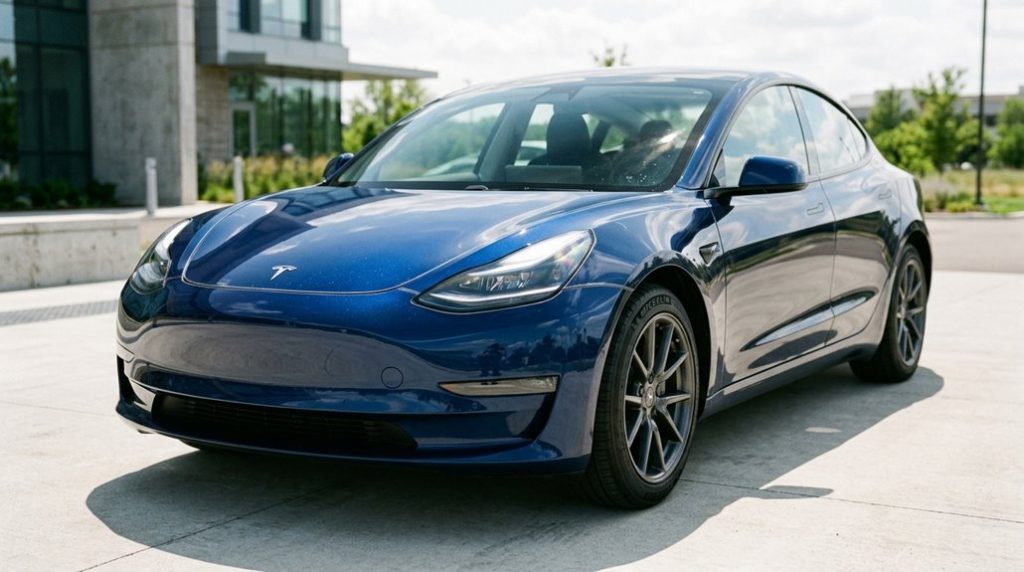
When you apply a clear bra to your Tesla, you’re not adding a cosmetic upgrade — you’re installing a physical defense system for your factory paint. The film itself is thermoplastic urethane, roughly 8 mil thick, and that thickness matters. It creates a sacrificial layer that absorbs impacts from rocks, road debris, and airborne grit before any of that reaches your factory finish.
The scratch resistance comes from the film’s ability to take moderate abrasion hits in place of your paint. Light scuffs, sand contact, and road wear redirect their damage to the film — not to the surface underneath. Some premium films even include self-healing topcoats that reduce fine swirl marks over time.
UV preservation is the quieter benefit. Many quality films block up to 99% of UV radiation, which meaningfully slows oxidation, fading, and clear coat breakdown. Your paint stays protected while the film does the aging instead. Tesla’s factory Body and Rust warranty extends up to 12 years with unlimited mileage, meaning preserving the original paint beneath your film keeps that coverage as intact as possible. If the film ever takes significant damage, it can be removed and replaced without requiring new paint or a lengthy body shop visit.
Even a high-quality clear bra can look flawed if it isn’t applied cleanly—air bubbles, lifted edges, and micro-scratches often come down to using the wrong tools during installation. A proper PPF squeegee kit gives you the control needed to smooth film evenly and protect those sharp Tesla body lines from damage during application.
Why Tesla’s Front End Takes the Most Damage
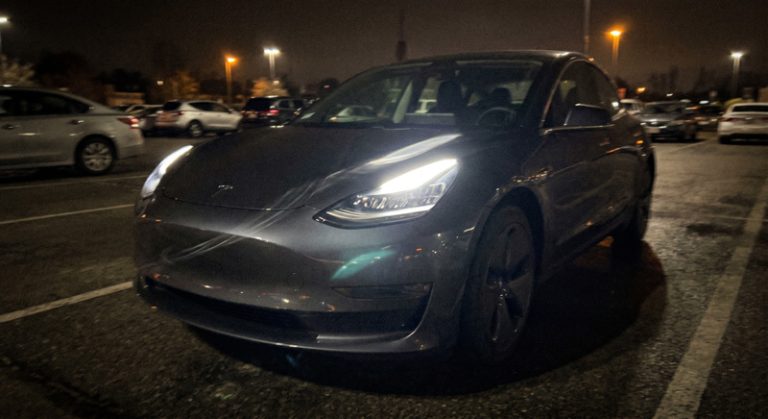
If there’s one part of your Tesla that earns its battle scars faster than anything else, it’s the front end — and that’s not a coincidence. Tesla’s low clearance positions the nose directly in the path of road debris, gravel, and sandblasting from vehicles ahead. Every highway mile is basically a stone chip lottery, and the broad, aerodynamically curved hood concentrates that punishment along leading edges.
But cosmetic damage is only part of the story. Front impacts — even minor parking lot nudges — can misalign the forward-facing cameras and sensors your Tesla depends on for Autopilot and emergency braking. Camera obstruction compromises visibility; sensor interference upends the entire driver-assistance system. Tesla’s eight-camera placement spans rear, pillar, windshield, front-fender, and front-fascia positions, meaning even localized front-end damage can compromise overlapping fields of view that the system depends on for a complete 360-degree picture.
What looks like a scuffed bumper cover can actually mean recalibration work, hidden structural damage, and repair bills that climb well past what you’d expect on a conventional sedan. The front end earns protection because it genuinely needs it. Front-end collisions can also cause suspension and alignment issues that affect handling and require professional diagnosis before the vehicle is safe to drive again.
Full Front End vs. Partial Coverage: What Makes Sense
Choosing between partial and full front coverage isn’t purely a budget decision — it’s a geometry problem.
Partial kits protect your bumper, headlights, mirrors, and the leading 12–24 inches of your hood and fenders — exactly where debris strikes most frequently. That’s legitimate protection, and installation time runs roughly one to two days.
Partial kits hit the high-impact zones — bumper, headlights, mirrors, and the first stretch of hood — in one to two days.
But here’s the catch: film stopping mid-hood creates edge visibility issues, particularly on dark or pearl finishes where light betrays every changeover line.
Full front coverage extends the film across complete panels, terminating at natural limits instead of mid-surface. The result is cleaner aesthetics and broader shielding against rock chips, bug acids, and road debris across your entire front clip. Owners who regularly drive at highway speeds should note that driving at 70 mph significantly increases the rate at which debris, bugs, and road particulates impact painted surfaces, making comprehensive coverage a more defensible investment.
Installation time stretches to two to three days, and costs climb accordingly.
If you’re logging consistent highway miles, that extra coverage isn’t indulgence — it’s math. Premium films like FlexiShield and STEK carry manufacturer warranties up to 12 years, meaning the protection you choose today can outlast multiple road trip seasons without degrading.
Does a Clear Bra Make Financial Sense for You?
Before spending anywhere from $900 to $12,000 on paint protection film, you need to run an honest cost-benefit calculation — not a wishful one.
Your usage profile determines almost everything here.
Ask yourself four questions:
- How far do you drive annually? Highway miles accelerate chip damage markedly.
- How long are you keeping the car? Long-term owners spread that installation cost across more years.
- What’s your resale impact concern? Preserved factory paint can return 5–10% more at sale on luxury models.
- What’s one repaint actually costing you? A single front bumper refinish routinely runs $800–1,500.
On a Model S or Model X, the math tends to work.
On a base Model 3 you’re trading in within three years, it’s harder to justify. Paint color also influences durability from the start, and white paint resists fading longer under UV exposure, which may reduce the urgency of full-coverage film on lighter builds.
Know your numbers before committing. Many films also feature self-healing properties, meaning minor surface scratches disappear with heat exposure and won’t compound the case for a costly repaint down the road.
A clear bra only stays invisible and effective if it’s cared for correctly—yet many Tesla owners unknowingly weaken their paint protection film with harsh soaps that dull clarity over time. A pH-neutral car wash soap keeps the surface clean without stripping or stressing the film, helping your Tesla maintain that fresh, protected finish for longer.
Frequently Asked Questions
Can You Apply Ceramic Coating Over an Existing Clear Bra?
Yes, you can absolutely give your clear bra a performance upgrade with ceramic compatibility. It bonds over existing film, enhances hydrophobics, and simplifies your maintenance schedule by making contaminants release far more easily.
How Long Does Paint Protection Film Typically Last Before Needing Replacement?
You can expect a 7–10 year expected lifespan from quality PPF, though environmental factors like intense UV exposure, extreme heat, and harsh driving conditions can markedly shorten how long yours actually lasts.
Does PPF Void Any Part of Tesla’s Factory Paint Warranty?
PPF won’t obliterate your factory paint warranty — it doesn’t void coverage on its own. However, installation damage can affect warranty transferability, and dealer policies vary, so use a certified professional.
Can Clear Bra Film Be Safely Removed Without Damaging Tesla Paint?
Yes, you can safely remove clear bra film without damaging your Tesla’s paint. Start with edge peeling using gentle heat, work slowly, and clean adhesive residue afterward with an appropriate remover and microfiber towel.
Are DIY Clear Bra Kits Reliable Enough for Tesla Installation?
They *can* work—but here’s the catch: DIY fitment demands precision, and adhesive compatibility with Tesla’s paint requires flawless surface prep. One misstep and you’re facing bubbles, lifting edges, or a costly redo.