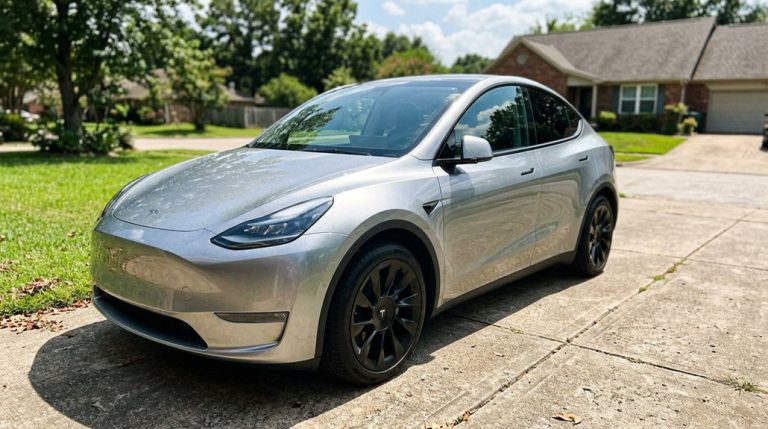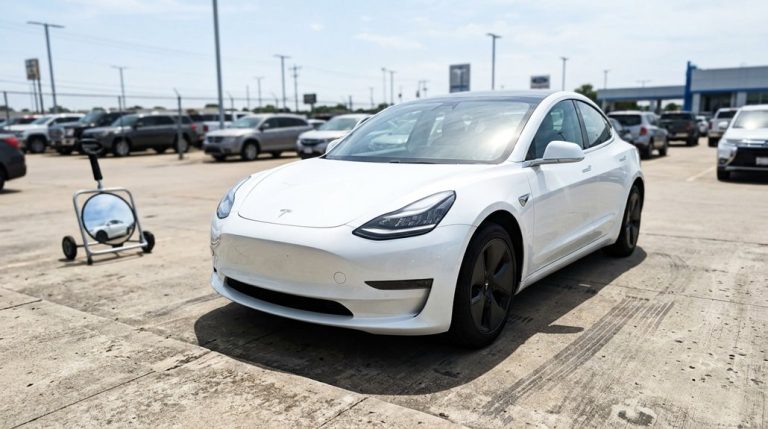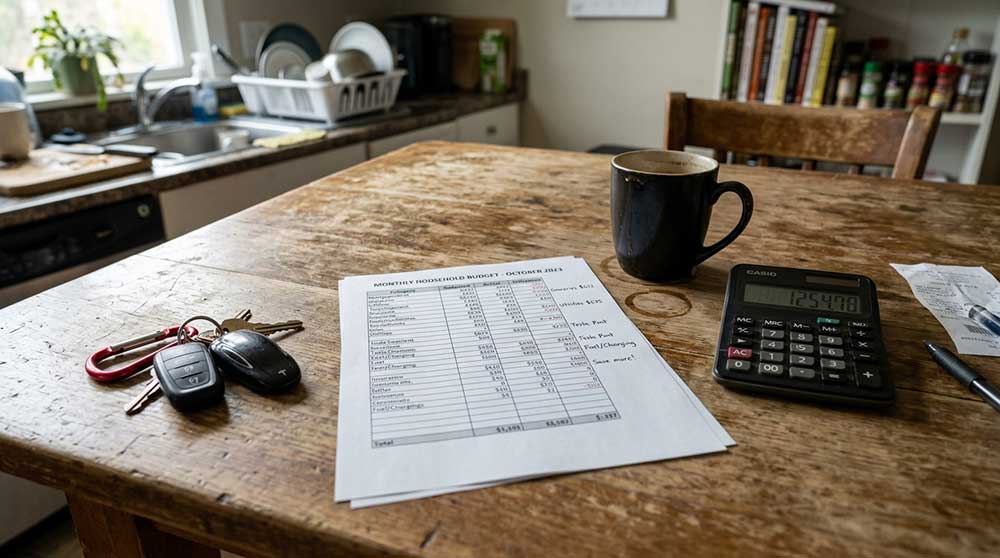

Everyone says buying a Tesla is “affordable” now — they’re lying to you, just not on purpose. The sticker price is the easy part. What quietly bleeds your budget are the sales tax, inflated insurance premiums, home charging installation, and loan interest that most buyers never calculate upfront. Miss one of these, and your dream car becomes a financial regret parked in your driveway. The real numbers tell a very different story than the Tesla website wants you to see.
Set a Realistic Tesla Budget Before You Browse
Before you fall in love with a Model S on a Model 3 budget, get your out-the-door number locked in — not just the listing price you saw on the screen. Sales tax, DMV registration, and dealer documentation fees aren’t optional line items; they’re real costs that vary markedly by state and can quietly push a $28,000 listing past your $30,000 ceiling before you’ve signed anything.
Here’s how the math actually works: if your hard limit is $30,000 out the door, your target listing price should sit between $27,000 and $28,000. That buffer absorbs taxes, title transfers, and any inspection fees without wrecking your finances at closing.
Private-party deals typically carry lower fees than dealerships, but you’ll still owe title and registration costs. Build in a small repair buffer too — battery health checks and tire evaluations on higher-mileage cars aren’t free, and skipping them is expensive optimism. Used Tesla buyers may also qualify for a used EV tax credit of up to $4,000, which can meaningfully offset your out-the-door cost if the vehicle and your income meet federal eligibility requirements. Once you’ve settled on a realistic out-the-door ceiling, remember that a typical monthly payment on a $30,000 used Tesla with a moderate down payment generally lands between $450 and $550 depending on loan terms and current rates.
How Much Tesla Can Your Monthly Cash Flow Actually Support?
Locking in your out-the-door number is only half the equation — the other half is confirming your monthly cash flow can actually carry that number for 48 months without quietly dismantling the rest of your budget. The standard benchmark is the 24/10 rule: 20% down, 4-year loan, total monthly car costs capped at 10% of gross monthly income.
The income thresholds break down clearly. Earning $60,000 yearly supports roughly $500/month. At $75,000, you’re near $625/month. Hit $100,000, and $833/month becomes your ceiling. A base Model 3 in California runs approximately $930/month all-in (financing plus insurance), which implies you need $9,300–$10,000 in gross monthly income to stay comfortable. Unlike gas vehicles, Tesla owners typically spend 50%–70% less on annual maintenance, which meaningfully offsets the monthly cost picture when factored into your true cost of ownership.
Payment tradeoffs matter too. Stretching to a 6-year term lowers your monthly number but increases total interest paid — the math feels friendlier until it isn’t. Shorter terms demand more income but cost less overall. For context, a 7-year financing term on a base Model 3 carries a rate of 5.69%, dropping the monthly payment to $566 but accumulating roughly $8,400 in total interest over the life of the loan.
What Tesla Insurance, Charging, and Registration Actually Cost
Once you’ve locked in a monthly payment you can stomach, the real budget work begins — because financing is only one of three recurring costs that’ll define what Tesla ownership actually feels like month to month.
Locking in a monthly payment is just the beginning — financing is only one of three costs that’ll define Tesla ownership.
Tesla premiums hit harder than most expect. Full coverage averages anywhere from $2,982 to $4,149 annually depending on which aggregator you trust, with Model 3 sitting cheapest around $3,077 per year and Cybertruck pushing nearly $5,000. Model Y lands in the uncomfortable middle at roughly $4,601.
Charging variability adds another wrinkle. Home charging stays cheap, but public DC fast charging costs noticeably more per mile — and your state’s electricity rates determine exactly how much. A full home charge cost for a Model 3 typically runs between $11 and $23 depending on your local utility rate, making overnight charging the most predictable and affordable option for most owners.
Registration compounds everything upfront. Sales tax, title fees, documentation charges, and EV-specific road-use fees (yes, some states charge extra precisely because you’re not buying gas) can collectively add thousands to your first-year total before you’ve driven a single mile. Higher premiums are largely driven by expensive repairs and a limited repair network, which keeps costs elevated regardless of which insurer you choose.
Owning a Tesla feels affordable until a small tire pressure drop quietly starts affecting range, efficiency, and ride comfort without any obvious warning. It’s one of those issues that rarely feels urgent in the moment, but becomes obvious the next time you take a longer drive and notice something is off. Keep a portable tire inflator ready so minor pressure issues don’t turn into avoidable range loss or unexpected stops.
Cut Tesla Financing Costs With the Right Lender and Loan Term
Those recurring costs — insurance, charging, registration — are largely fixed once you’ve chosen your trim and ZIP code. Financing, though, is where you actually have clout.
Your lender choice matters more than most buyers realize. Credit unions like Alliant or Navy Federal frequently offer APRs in the 7–8% range for used Teslas, sometimes with an additional 0.25–0.50 percentage point EV discount. EV specialist lenders like Tenet underwrite based on battery longevity and residual value rather than purely traditional credit models — rates start at 5.25% nationally, 4.40% regionally.
Loan term matching is equally important. A 36-month term costs you more monthly but saves markedly on total interest. Push to 84 months and you risk owing more than the car’s worth before the midpoint. Most competitive offers cluster around 60–72 months — a reasonable middle ground. Pick the shortest term your budget genuinely supports. Tesla’s own in-house financing offers loan terms ranging from 36 to 84 months, giving you the same range of flexibility directly through the automaker if you qualify in one of its supported states.
Tesla interiors are clean by design, but that minimalism quickly turns into scattered cables, sunglasses, cards, and small items sliding around inside the deep center console. It’s not obvious at first, but over time it becomes one of those daily frustrations you keep noticing every time you reach for something. Keep a center console organizer ready so every small item has a place instead of disappearing into clutter.
Frequently Asked Questions
Which Tesla Model Offers the Best Value for First-Time Buyers?
The Tesla Model 3 RWD gives you the best first-time value. You’ll eliminate range anxiety with ~272 miles, enjoy Autopilot benefits immediately, and keep costs low without sacrificing core Tesla technology.
Can You Actually Save Enough for a Tesla in One Year?
It’s within reach! Yes, you can save enough in a year. Keep your emergency fund intact, lean on side hustles, and stash $3,083–$3,333 monthly to hit your base Model 3 goal.
Do EV Incentives Apply if You Have Bad Credit?
Yes, EV tax credits don’t involve credit checks—they’re based on the vehicle, income, and purchase rules. Even with bad credit, you can still qualify, though poor loan terms may offset your savings.
Is Leasing a Tesla Smarter Than Buying for New Owners?
Like a test drive that never ends, leasing often beats buying for new owners—you’ll enjoy lower depreciation risk, flexible mileage planning, and shorter commitments while you’re learning if Tesla ownership truly fits your lifestyle.
How Does Buying Used Affect Your Long-Term Tesla Ownership Costs?
Buying used slashes your upfront cost and skips brutal early depreciation. You’ll save thousands, but watch for battery degradation and deferred maintenance—those hidden costs can quietly erode your long-term savings if you’re not careful.