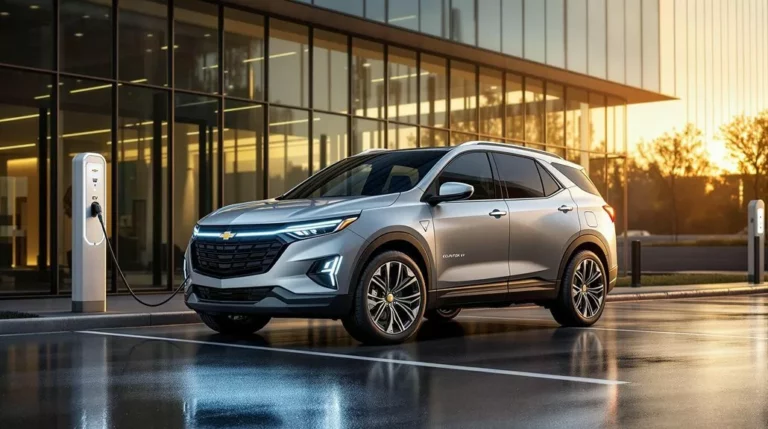

Leaving your Tesla plugged in overnight is safe and beneficial, thanks to the vehicle’s built-in monitoring systems. These systems regulate charging and prevent overheating and overcharging, which can cause battery degradation. This gentle charging method also helps maintain optimal battery health by avoiding deep discharges.
Overnight charging offers additional benefits, including lower electricity rates and gentler battery charging. However, it’s essential to ensure your charging cable and sockets are in good condition and comply with local charging policies. Understanding your Tesla’s specific charging requirements and any restrictions can provide added peace of mind and help you get the most out of your vehicle.
Safety Considerations
When leaving a Tesla plugged in overnight, safety is top of mind. Teslas have advanced safety features that monitor and manage charging to prevent overheating and overcharging.
The charging system assesses factors like temperature and charging rates to maintain optimal conditions. By keeping my vehicle plugged in, I also reduce the load on the high-voltage battery by not requiring it to maintain the low-voltage battery, helping to Prevent Deep Discharge.
To reinforce safety, I use a dedicated 16A-rated socket and a quality EV charging cable with adjustable loads. Regular inspection of sockets and cables for signs of defects or deterioration is crucial to safeguard safety. This is especially important at public charging stations, where Crime Maps should be consulted to assess the risk of vandalism and crime.
Charging a Tesla overnight can be a bit of a gamble if you don’t take precautions. To avoid overheating, I step down the charging load to 6A and limit the amperage during overnight charging sessions.
Customizable charge limits are another safety net. I set preferred maximum charge levels, such as 80% or 90%, to optimize battery health and longevity. This feature gives me peace of mind when leaving my Tesla plugged in overnight.
I also ensure that my home’s electrical infrastructure can support the charging load by using a socket that meets the IEC safety standards. Additionally, I take advantage of Tesla’s software updates that help keep my vehicle and home safe, providing me with the latest advancements in charging technology.
Tesla’s continuous software updates help keep my vehicle and home safe. These updates provide the latest advancements in charging technology, so I can rest easy knowing my Tesla is up to date.
Charging Restrictions
Charging restrictions can be a real pain when traveling with Teslas. Different destinations have varying charging policies, and knowing what’s allowed can save you from a lot of hassle.
When researching charging restrictions, consider the following:
- Destination policies: Charging policies vary by destination, so it’s essential to know what to expect.
- Signage and communication: Look for visible signage and ask the staff about any time restrictions or overnight charging policies.
- Alternative charging options: If you’re restricted at your destination, consider alternative charging solutions like installing a Level 2 EV charger at home.
Knowing how to maximize your Range Efficiency can also help you plan your trip and make the most of your charging time, allowing you to enjoy a seamless charging experience without interruptions. Leaving the vehicle plugged in when not in use to maintain the battery at an optimal Charge Level is also a good practice.
Clear communication from staff and visible signage can go a long way in avoiding issues. When returning home, using a Mobile Connector can be convenient for on-the-go charging, and it supports 120V and 240V outlets for flexible charging options.
It’s not too much to ask for a seamless charging experience, right?
Battery Health
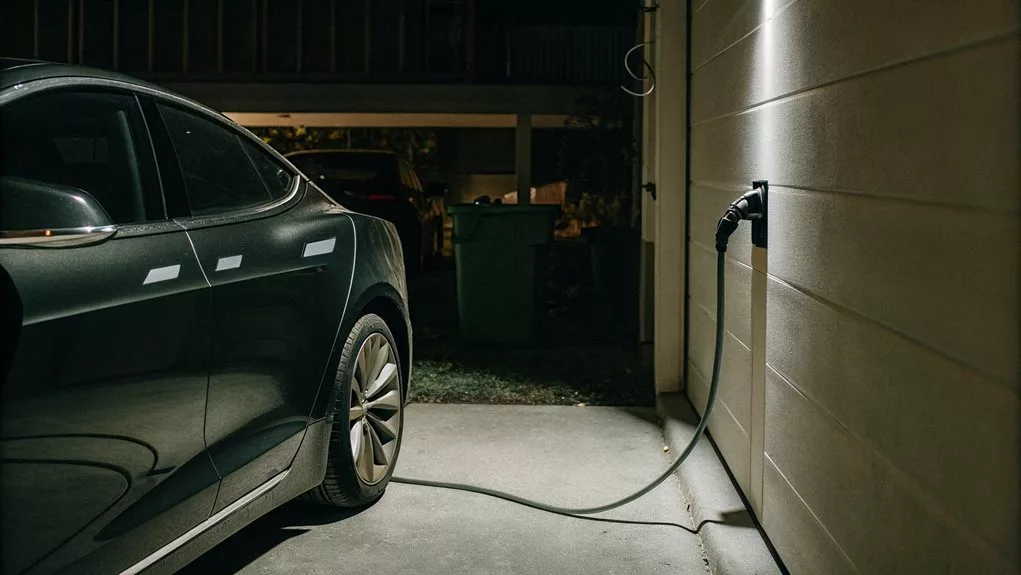
Charging restrictions are a necessary evil, but once you’ve got those down, it’s time to think about your charging habits and their impact on your battery’s health. To keep your battery happy, aim for a charge between 20 and 80 percent. Limiting your charging above 90 percent is also key, as frequent high state of charge can be detrimental to your nickel-based battery.
It is also essential to maintain a safe charging environment, and using the Tesla Wall Connector with access control can add an extra layer of security.
Level 1 and 2 charging are safer options as they put less stress on the battery compared to Level 3 DC fast charging. Tesla offers an eight-year battery warranty that covers protection against degradation, ensuring that the vehicle retains at least 70% capacity.
By following proper charging routines, Tesla batteries can last approximately 300,000 to 500,000 miles. Consistent charging routines and scheduling can contribute to a longer battery life, so set daily charging limits and stick to them.
Temperature, driving behavior, and environmental factors can impact your battery’s performance and range, so take those into account when charging. By being mindful of these factors, you can help extend the life of your Tesla’s battery. With proper care, Tesla batteries are expected to last at least 8 years or 100,000 to 150,000 miles under warranty.
Battery Degradation Rate shows that Tesla batteries typically degrade about 15% after 200,000 miles on average, with more rapid initial degradation.
Overnight Charging Benefits
Overnight charging is a game changer for Tesla owners. Lower electricity rates kick in during off-peak hours, saving you money on energy costs. For instance, charging my car from 11 PM to 7 AM can cost as low as $3.
Cooler night temperatures also make charging more efficient. Plus, you wake up to a fully charged car, ready to tackle the day. The standard 110V charging setup, using standard electrical outlets, provides 12–16 amps of power.
Predictable costs are another benefit. With a fixed monthly fee for overnight charging, budgeting energy expenses becomes a breeze. No more surprise electricity bills to worry about. For new Tesla owners in Texas, the Tesla Electric Fixed plan offers unlimited overnight charging at home for $5/month for the first year. Eligible Tesla owners can enroll in this plan by switching to Tesla Electric and enrolling in the Fixed plan by December 31, 2024.
Overnight charging is also gentler on your battery compared to rapid charging. You can even set a lower charge limit to further protect battery health. This feature provides peace of mind, knowing your car is being taken care of while it charges.
The simplicity of overnight charging has made owning a Tesla even more enjoyable. It’s one less thing to worry about during your day, and the cost savings are a nice bonus.
Addressing Common Issues
| Common Charging Issues | Solution |
|---|---|
| Charger Not Recognized | Check the charger’s angle and clean the charging port and cable. If that doesn’t work, try restarting your Tesla. |
| Charging Cable Issues | If your cable is stuck, press “Unlock charging port” or use voice commands. Regular cleaning can prevent this issue. |
| Electrical Issues | Use high-quality outlets and avoid overheating by using adapters with temperature sensors. |
| System Errors | Review your scheduled charging settings and ensure your departure and off-peak times are set correctly. Battery health degradation can also cause issues. |
| Connection Issues | Dirt and debris in the charging port or cable can cause problems. Restart your Tesla or clean the port and cable. Inspect for Damaged Cable or frayed wires, which can lead to electrical issues. |
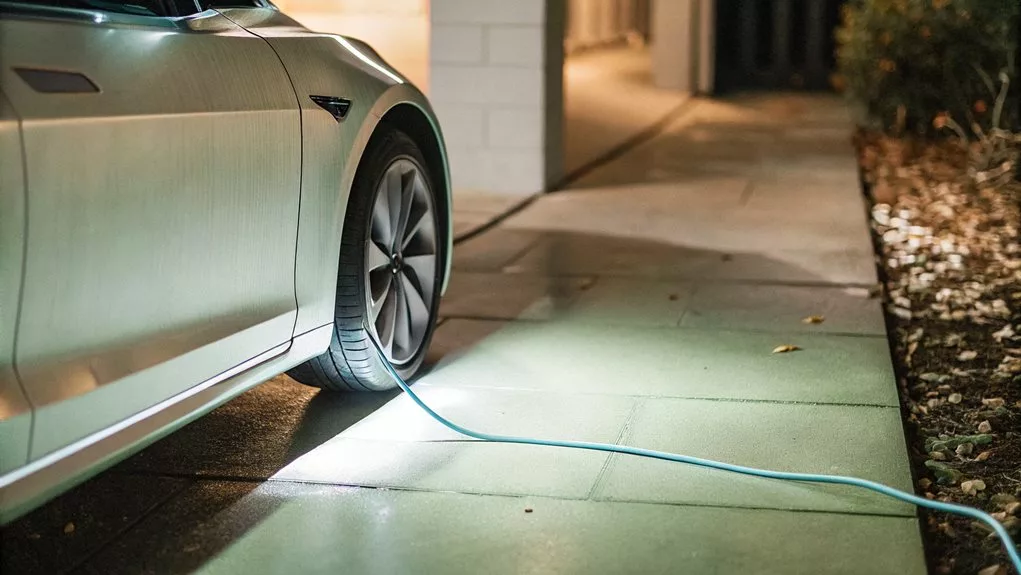
Cleaning your charging port and cable regularly is key to minimizing issues. A faulty charging port or poor outlet quality can also cause problems. To optimize your charging schedule, make sure to set your Off-Peak End Time slightly before your desired end time to ensure charging starts early enough. Restarting your Tesla can resolve many issues.
If you’re experiencing electrical issues, check if your outlet is overheating. Using adapters with temperature sensors can help prevent this. For stuck charging cables, pressing “Unlock charging port” or using voice commands usually resolves the issue.
It’s also essential to review your scheduled charging settings. Misconfigured departure and off-peak times can cause system errors. Keep an eye on your battery health, as degradation can also lead to issues.
Lastly, remember that a simple restart can often resolve connection issues. If not, try cleaning the charging port and cable. Additionally, ensuring gentle handling of the charging port can prevent Port Damage. Be cautious of Overcurrent Issues, as drawing too high an amperage from the outlet can lead to safety issues.
Ready for more insights on Tesla charging? Explore our Ultimate Tesla Charging Guide for expert tips, in-depth comparisons, and proven strategies to streamline every aspect of powering up your EV.