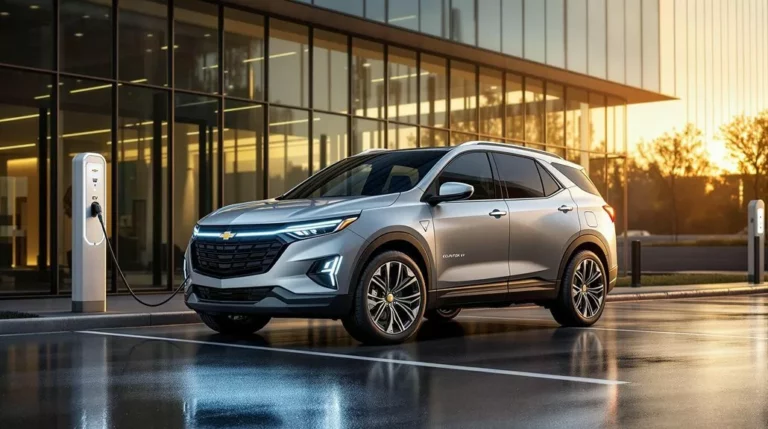

When it comes to charging your electric vehicle, Tesla’s Wall Connectors are just one of many options available. Homeowners and EV owners alike are looking for alternatives that offer flexibility, cost savings, and the latest technology. Universal Chargers, such as the Schumacher SEV1600P1450 and the BOSCH EV300 Level 2, can charge multiple EV models, making them a popular choice.
The Lectron Level 2 charger is another option worth considering, offering smart features like Bluetooth and Wi-Fi connectivity at an affordable price point. Each of these alternatives has its unique features and considerations, catering to different needs and preferences.
Key Points and Options
Key Features to Consider in a Wall Connector Alternative
When shopping for an alternative to Tesla’s Wall Connector, speed is essential. A fast charging speed, such as up to 11.5 kW or 48 amps, which can provide up to 71 kilometers of range per hour, is a must-have.
Compatibility is also crucial. The charger must work with your electric vehicle, whether it’s a Tesla or another brand. A charger that can handle different types of vehicles is a significant advantage. For instance, a charger that supports Level 2 Charging can provide faster charging speeds, adding up to 44 miles of range per hour, and is often more efficient with a 240-volt power outlet.
Installation requirements are another critical factor. A charger that offers flexibility in terms of installation, such as the ability to install with lower amperage circuit breakers, can make a big difference. This feature can save you money and hassle in the long run, and also allows for Power Management to adapt to various home electrical systems.
A charger that can provide up to 44 miles of range per hour is also an essential consideration. With such a charger, you can enjoy faster charging speeds, making it more efficient and convenient.
Installation Flexibility is a Must
Installation requirements are another critical factor. A charger that offers flexibility in terms of installation, such as the ability to install with lower amperage circuit breakers, can make a big difference.
This feature can save you money and hassle in the long run.
Access Control for Convenience
Access control is also a key feature. Being able to restrict charging access directly through the commissioning wizard can be a game-changer. This feature can provide peace of mind and convenience.
Design Matters
The charger’s design is also a consideration. Whether it’s suitable for indoor or outdoor mounting can impact its overall functionality. A well-designed charger can make all the difference in your daily life.
Finding the Right Balance
Ultimately, the goal is to find a charger that balances performance, compatibility, and cost-effectiveness. By evaluating these key features, you can find an alternative that meets your needs and provides a reliable and convenient charging experience.
Recommended Alternatives
When considering alternatives to the Tesla Wall Connector, I’ve narrowed down my top picks to five top-rated options. These Level 2 chargers offer a range of features and benefits, from smart charging capabilities to fast charging speeds.
A Level 2 charger suitable for your needs. This knowledge will enable you to better appreciate the unique features and benefits of each alternative.
For instance, compatibility is a critical factor to consider when selecting a Level 2 charger. You’ll want to ensure that the charger is compatible with your electric vehicle’s make and model. One such compatible option is the Autel MaxiCharger, which is a reliable charging solution for electric vehicles like Tesla.
With that in mind, let’s examine the key features of each charger.
Firstly, we’ll look at the charging speeds of each alternative. This is where the differences between the chargers become apparent, with some offering faster charging speeds than others.
Next, we’ll explore the installation requirements for each charger. This is an essential consideration, as some chargers may require professional installation, while others can be installed by homeowners themselves.
Finally, we’ll discuss the safety features of each charger. This is a critical aspect to consider, as you’ll want to ensure that the charger you choose has the necessary safety features to protect you, your vehicle, and your home.
In the following section, we’ll outline each of the five top-rated alternatives to the Tesla Wall Connector, highlighting their unique features and benefits.
Top-Rated Options
High-Performance Charging Options
Some high-performance models stand out from the rest for Teslas. The JuiceBox Pro 40, Schumacher SEV1600P1450 Level 2, Autel MaxiCharger Home Electric Vehicle, ChargePoint Home Flex, and BOSCH EV300 Level 2 deliver high charging power, up to 50 amps.
The JuiceBox Pro 40 can charge your Tesla up to 50 amps, which is about $800 to purchase and install.
They’re compatible with a wide range of Teslas and come with features like Wi-Fi connectivity, remote monitoring, and dedicated apps. These features make them ideal for Tesla owners who want to charge their cars quickly and conveniently.
They also offer up to 44 miles of range per hour with the right equipment, such as a Wall Connector.
Mid-Range Charging Options
Mid-range models, such as the Lectron V-BOX Pro, Enphase (formerly Clipper Creek) EV Chargers, BOSCH EV600 Level 2, Leviton EVB40-PST Level 2, and ChargePoint Home 240, offer flexible charging options and durable designs.
They provide reliable performance and great value for their price, which is typically between $400 to $700.
“The BOSCH EV600 Level 2 can charge your Tesla up to 32 amps and is priced around $550, making it an affordable option for many.”
While they may not have all the advanced features of high-performance models, they’re a great choice for Tesla owners who want a hassle-free charging experience.
“The ChargePoint Home Flex is a popular choice among Tesla owners, with over 1 million units sold in the US alone, and can be purchased for around $1,000.”
Ultimately, the right charging model for your Tesla depends on your specific needs and budget. By choosing the right model, you can enjoy fast, safe, and convenient charging for your Tesla.
Key Charger Features
Choosing the Right Charger for Your Tesla
When it comes to charging speed, some chargers outshine others. The Elli Charger Pro offers 11kW charging power, while the Easee Home Wallbox takes the cake with 11kW to 22kW charging power. The JuiceBox Pro 40 and Autel MaxiCharger Home also deliver 40A, Level 2 charging. Some chargers also provide a charge port opener, such as the Tesla Wallbox Gen 3.
Ultimately, the right charger for your Tesla depends on your specific needs and preferences, including the Wall Connector features that support up to 11.5 kW output. Do you prioritize fast charging or smart connectivity features?
| Charger | Performance and Charging Speed | Connectivity and Controls | Installation and Price |
|---|---|---|---|
| Elli Charger Pro | 11kW charging power | Communication via app, WLAN, LAN, LTE | $1,179.95, no built-in load management |
| Easee Home Wallbox | 11kW to 22kW charging power | Integrated SIM card, app-controlled access protection | $869.95, integrated load management |
| JuiceBox Pro 40 | 40A, Level 2 charging | Wi-Fi connectivity, compatible with smart EVSE protocols | Competitive pricing, easy installation |
| Autel MaxiCharger Home | 40A, Level 2 charging, adjustable power | RFID card reader for access control | Adjustable power to match vehicle capabilities |
| Tesla Wall Connector | Wi-Fi connectivity, remote monitoring and management | Requires professional installation, $475 |
Connectivity and Controls
Some chargers offer smarter connectivity features than others. The Elli Charger Pro and Autel MaxiCharger Home offer app-controlled access protection, while the Easee Home Wallbox boasts an integrated SIM card.
Installation and Price
When it comes to installation and price, some chargers stand out. The JuiceBox Pro 40 offers competitive pricing and easy installation, while the Autel MaxiCharger Home allows for adjustable power to match vehicle capabilities.
“The Elli Charger Pro offers 11kW charging power, while the Easee Home Wallbox takes the cake with 11kW to 22kW charging power.”
“The Autel MaxiCharger Home allows for adjustable power to match vehicle capabilities, making it a great option for those who want flexibility.”
“The Easee Home Wallbox boasts an integrated SIM card, making it a great option for those who want seamless connectivity.”
Features and Considerations
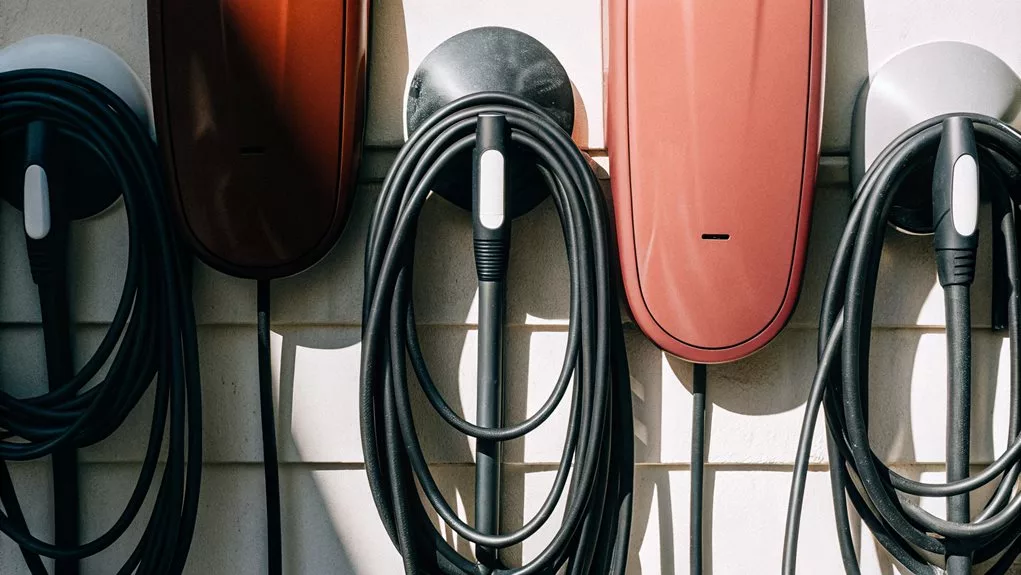
The Perfect Charger for Your Electric Ride
Features and Considerations
The Tesla Wall Connector is the gold standard for charging Teslas, but it’s not perfect. With up to 11.5 kW/48 amps, it delivers up to 71 kilometers of range per hour for Teslas.
“The Tesla Wall Connector can charge a Tesla from 0-100% in just 8 hours.”
Alternatives like the Myenergi Zappi Wallbox offer smart charging capabilities, harnessing solar power to reduce energy costs. This feature is a game-changer for eco-conscious Tesla owners who want to reduce their carbon footprint.
Wi-Fi connectivity and auto-sensing handles make charging a breeze. Load management features allow multiple wall boxes to share power, perfect for households or workplaces with multiple electric vehicles.
Access control is also crucial, enabling users to manage who can charge their vehicle. “The Myenergi Zappi Wallbox can charge up to four vehicles simultaneously, making it ideal for multi-vehicle households.”
When choosing the right charger, consider features like solar integration and remote monitoring. These features can save you money and provide peace of mind.
“The Tesla Wall Connector can be controlled remotely through the Tesla app, allowing you to monitor your charging sessions and adjust your settings on the go.”
Ultimately, the right charger depends on individual needs and preferences. By weighing the pros and cons of different options, you can find the perfect charger for your electric ride.
Installation Requirements
When considering the installation requirements for a Tesla wall charging alternative, I look for a few key factors that can profoundly impact the setup process.
One crucial aspect to evaluate initially is whether I should opt for professional installation or attempt a DIY setup. This decision largely depends on my level of electrical expertise and understanding of local codes, as non-compliance can lead to safety risks and potential fines.
For instance, if I’m not familiar with the local electrical regulations or lack hands-on experience with electrical installations, it’s highly recommended to hire a professional to ensure a safe and compliant setup.
Once I’ve decided on the installation approach, the next step is to assess my electrical circuit’s capacity to accommodate the charger’s power needs. This involves verifying that my electrical circuit can handle the charger’s power requirements, including the correct circuit breaker and grounding setup. A dedicated EV charger supplies up to 50 Amps at 240 Volts and is hardwired into home or garage wiring. A 60 amp circuit is also necessary for a Tesla Universal wall charger installation.
A mismatch between the charger’s power needs and the electrical circuit’s capacity can lead to overheating, fires, or other safety hazards. Additionally, I should also consider the Type B RCD safety feature, which is an essential component in the Gen 3 Wall Connector, to ensure enhanced safety during the installation process.
By carefully evaluating these factors and taking the necessary precautions, I can ensure a smooth and successful installation process for my Tesla wall charging alternative.
It’s also important to review and follow the manufacturer’s instructions, specifically the installation manual, to avoid any potential issues during the setup process.
Professional Installation Requirements
Installation Requirements for a Safe and Reliable Tesla Wall Charging System
A DIY approach to installing a Tesla wall charging system may seem cost-effective, but it’s a risk not worth taking. Non-compliance with local electrical codes and regulations can lead to fines and even put your home at risk of electrical fires.
Why Location Matters
When choosing a location for your Tesla wall charging system, select a spot near your parking area that can support the charger’s weight and allow the charging cable to reach your vehicle. Ensure the location is also close to the electrical panel, considering the electrical service capacity and the need for a dedicated circuit. Furthermore, it is crucial to note that in most cases, a new EV charging circuit will require a permit application to ensure compliance with local regulations.
Permits and Compliance
Before starting the installation process, check with your local building department for electrical permit requirements. In most cases, a new EV charging circuit will require a permit.
| Installation Aspect | Important Considerations |
|---|---|
| Measure and Cut Conduit | Measure the distance along the planned route and cut the conduit to size, accounting for bends and fittings. |
| Mount the Charger | Follow the manufacturer’s instructions to mount the charger to the wall, using appropriate anchors and guaranteeing it is level. |
| Connect the Wires | Connect the wires to the charger’s terminal box, following the correct color-coding (black/red to L1/L2, white to neutral, green/bare to ground). |
It is crucial to choose the correct 8 AWG THHN wire size based on the charger’s specifications and distance from the electrical panel to ensure a safe and reliable installation.
The Benefits of Hiring a Professional
Using a professional installer guarantees compliance with local regulations and a safe and reliable installation.
“A study by the National Electrical Contractors Association found that electrical fires caused by improper installations result in an estimated 51,000 home fires each year, resulting in 500 deaths and over $1.3 billion in property damage.”
Don’t risk your safety and the safety of your home by attempting a DIY installation. Hiring a professional and ensuring a permit is obtained, especially for a Level 2 charger, is crucial for a safe and reliable Tesla wall charging system.
Electrical Circuit Breaker Needs
Choosing the Right Circuit Breaker for Your Tesla Wall Charging System
For most Tesla Wall Connectors, a 60-amp double-pole breaker is recommended, but it’s crucial to match the breaker to the onboard charger capabilities of your car.
For example, a 40-amp circuit breaker is required for Model 3 Rear-Wheel Drive vehicles. Lower amperage breakers might be needed for unique power situations.
The electrical panel should also be assessed to confirm it can handle the required amperage for the Tesla Wall Connector, following breaker capacity guidelines.
Circuit Breaker Requirements by Tesla Model
- “Model 3 Rear-Wheel Drive vehicles require a 40-amp circuit breaker”
- “Model S and X vehicles with dual onboard chargers require an 80-amp circuit breaker”
- “Model 3 and Y vehicles with single onboard chargers can use a 60-amp circuit breaker”
Matching the Breaker to Local Electrical Codes and Panel Capabilities
The breaker must align with local electrical codes and panel capabilities.
It’s also essential to assess the electrical requirements, such as the 240-volt operation of the Tesla Wall Connector, and current draw between 32 to 60 amps.
Electrical Requirements for Safe and Efficient Charging
The setup must match the wire rating, and voltage drop over long distances should be assessed.
Grounding and Safety for Your Tesla Wall Charger
Key Ground Connection Options
| Ground Connection Options | Description | Local Electrical Codes |
|---|---|---|
| Enable | Ground monitoring is always enabled for installations in North America. | Yes |
| Monitor | Ground connection monitoring is available based on the earthing system. | Yes |
| Disabled | Ground connection monitoring is disabled based on local electrical codes. | No |
Grounding is essential for your Tesla Wall Charger, as it protects you and the charger from electrical shock and ensures safe operation.
To ensure safe operation and adhere to local electrical codes, it is crucial to plan for a 240-volt circuit breaker that matches the amperage required for the charger.
“A study by the Electrical Safety Foundation International (ESFI) found that grounding faults are the leading cause of electrical shock and electrocution.”
Selecting the Right Ground Wire
Proper grounding requires the correct gauge and type of ground wire, which must be properly connected to the ground terminal.
A 6 AWG wire is technically under-rated for a 60 amp breaker, but safe due to the hardwired connection and the vehicle’s onboard charger limiting to 48 amps overload safety.
“The National Fire Protection Association (NFPA) reports that electrical fires account for an estimated 51,000 home fires each year.”
Testing and Adherence to Local Electrical Codes
Testing the grounding system is crucial to confirm proper operation and safety. Adherence to local electrical codes is also necessary, as these codes vary by region.
The Risks of Inadequate Grounding
Inadequate or missing grounding can lead to safety hazards and equipment failure.
“A single grounding fault can cause up to $1.4 million in damages and lost productivity.”
Cost Considerations for a Tesla Wall Charging Solution
Initial Purchase Costs
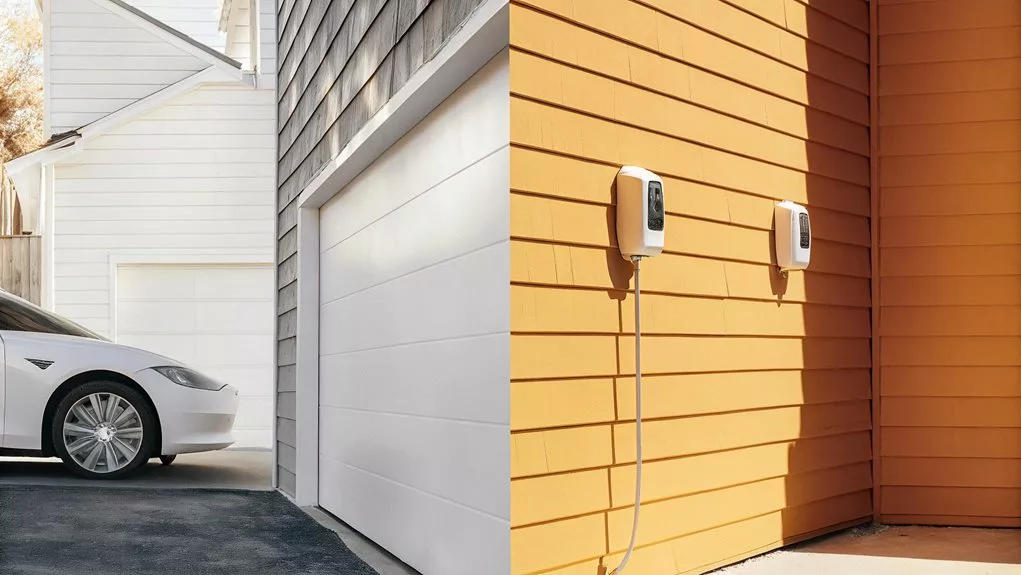
The Tesla Wall Connector costs $420, with additional installation costs ranging from $800 to $1200, depending on the setup and distance from the switchboard. This puts the total cost range at $1220-$1620. The charger also includes a tempered glass frontplate, which is stylish but may raise durability concerns.
Comparing Options
The Lectron Level 2 charger is a more affordable option at $279.99. However, installation costs aren’t bundled, so those will need to be factored in separately.
Installation Costs and Features
Installation costs can vary depending on the distance from the switchboard and the type of electrical system. You can expect to pay between $800 and $1200 for Tesla Wall Connector installation, depending on the setup and distance from the switchboard. Some chargers, like the Tesla Wall Connector, offer additional features like solar matching and dynamic load balancing with Tesla Powerwall integration.
Regional Variations
The cost of installing a Tesla Wall Connector can also depend on regional factors, such as local labor rates and specific site conditions.
Long-Term Efficiency and Convenience
The total cost range for a Tesla Wall Connector is $1220-$1620. When weighing options, consider the long-term efficiency and convenience of each option. The Lectron Level 2 charger may be nearly $200 less expensive upfront, but installation costs can add up quickly.
The Lectron Level 2 charger also offers native compatibility with Tesla Models S, 3, X, and Y, which can be a major selling point for some users.
Safety and Standards for Tesla Wall Charging
Choosing a Tesla wall charging solution isn’t just about cost; it’s also about safety. To guarantee a secure charging experience, follow these guidelines. When selecting Tesla charging solutions, it’s important to consider factors such as installation by a certified electrician and using only Tesla recommended equipment. Additionally, it’s essential to regularly inspect the charging equipment for any signs of damage or wear and tear. By following these guidelines, you can ensure a safe and reliable charging experience for your Tesla vehicle.
According to the US Department of Energy, EVs are 12 times less likely to catch fire than gasoline-powered vehicles.
Charging Station Safety Precautions
- Proper Spacing: Maintain a 5-to-6-feet distance between charging stations to provide space to extinguish any possible sparks or ignition.
- Regular Maintenance: Conduct frequent inspections and preventive maintenance by external contractors to guarantee chargers operate correctly.
- Adequate Lighting and Ventilation: Ensure well-ventilated areas and adequate lighting for safety during charging.
Certification and Installation
Certified electricians should install Tesla home wall chargers.
Chargers should be placed in well-ventilated areas to prevent overheating.
To ensure safe operation, it is crucial to use the standard charging cable provided by Tesla and avoid using damaged or incompatible cables.
Key Safety Features
- Emergency Shut-Off Switches: Instantly stop the charging process in case of an emergency.
- Ground Fault Protection: Detect and prevent electrical shock.
- Safety Labeling: Clearly indicate safety instructions and guidelines.
- UL Certification: Ensure EV charging equipment is certified by a nationally recognized testing laboratory.
The use of advanced monitoring systems can also enhance safety by monitoring temperature, electrical flow, and other abnormalities in real-time.
Tesla is pushing for the adoption of NACS as a widespread standard, which may influence the safety and standards of wall charging solutions in the future.
The US National Electrical Code requires that all EV charging equipment be installed by a licensed electrician.
Charger Compatibility
Charger Compatibility 101: Don’t Get Zapped
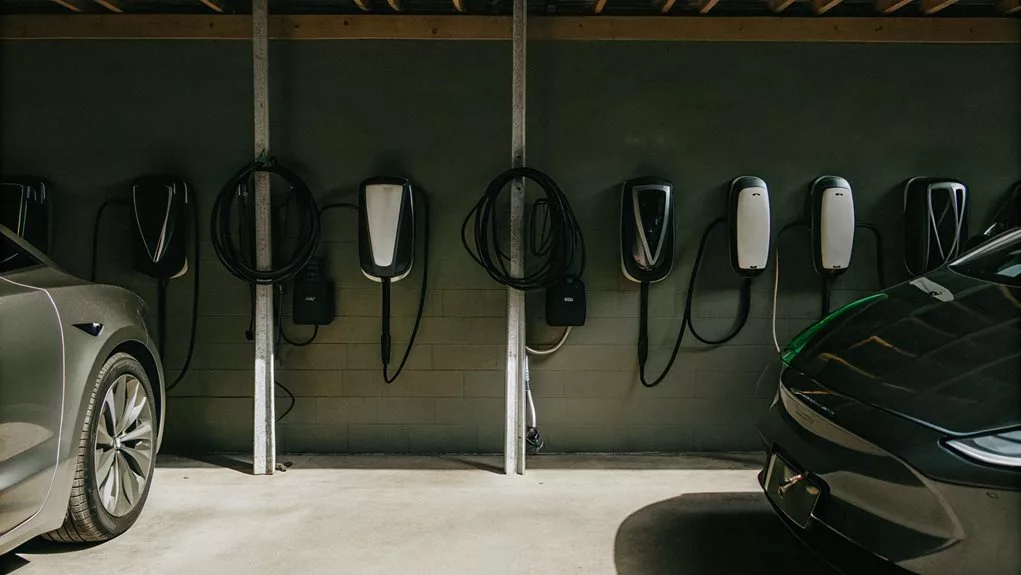
When buying a charger, you’ve got two main options: Tesla-specific (NACS) and universal (J1772).
The good news is that Tesla Wall Connectors can work with most electric vehicles, including Teslas and other EVs, as long as they’ve got the right charging inlets.
Universal chargers, on the other hand, can charge multiple EV models from manufacturers like Rivian, Ford, and Polestar.
Some external chargers, like Lectron, are Tesla-friendly right out of the box. But, be warned, Tesla’s firmware can be finicky, causing compatibility issues with external chargers.
If you’re looking to avoid these headaches, you can opt for adapters for existing chargers, but these can also cause problems.
The compatibility of a charger is also influenced by the vehicle’s maximum charge rate.
The Universal Charger Upsell
Universal chargers might cost a bit more (think $50-$100 more) than Tesla-specific models.
But trust us, they’re worth it. Not only do they offer future-proofing, but they also charge at the same rate as Tesla-specific chargers.
Plus, they’re compatible with multiple EV models, making them a great option if you plan on owning multiple EVs down the line.
Tesla Wall Connectors also offer Customizable Power Levels to match vehicle’s onboard charger capabilities, providing a more efficient charging experience.
The Bottom Line
When it comes to choosing a charger, don’t just go for the cheapest option.
Think about your future EV plans and whether a universal charger is worth the investment.
Your wallet (and your sanity) will thank you.
Choosing the Right Charger
Three things to keep in mind when finding a charger that gets the job done:
- Charging Speed: A high-power charger can charge your vehicle faster. Look for one with a power output of up to 50 amps. This is perfect for daily use, and it’s nice to know your car will be ready to hit the road when you need it.
- Cable Length: A longer cable provides more flexibility and convenience when charging your vehicle. Typically, 16-25 feet is a good length. You don’t want to be stuck in a tight spot, literally.
- Smart Features: A charger with Bluetooth, Wi-Fi, and app control makes it easy to monitor and manage your charging sessions in real-time. It’s nice to track your energy usage and costs, and it’s even nicer to not have to get out of your pajamas to do it.
Key Considerations for Electric Vehicle Chargers
- Compatibility: Ensure the charger meets the necessary charging standards. You don’t want to end up with a charger that doesn’t work with your car.
- Reliability: Choose a charger with a durable design. It’s frustrating when something breaks, and it’s more frustrating when it breaks and you can’t charge your car.
Future-Proof Your Charger
- According to the US Department of Energy, by 2025, there will be over 18 million electric vehicles on the road in the US. You’ll want a charger that can keep up with the growth of the EV market.
- A study by the National Renewable Energy Laboratory found that the average EV owner spends around $500 per year on charging, but this cost can be reduced by up to 50% with a smart charger. A smart charger can save you money in the long run.
- The International Council on Clean Transportation estimates that by 2040, over 50% of new car sales will be electric vehicles. A charger that can handle the increased demand is essential.
Ready for more insights on Tesla charging? Explore our Ultimate Tesla Charging Guide for expert tips, in-depth comparisons, and proven strategies to streamline every aspect of powering up your EV.
<!– /wp:list –Ultimate Tesla Charging Guides Wall Connectors are just one of many options available. Homeowners and EV owners alike are looking for alternatives that offer flexibility, cost savings, and the latest technology. Universal Chargers, such as the Schumacher SEV1600P1450 and the BOSCH EV300 Level 2, can charge multiple EV models, making them a popular choice.The Lectron Level 2 charger is another option worth considering, offering smart features like Bluetooth and Wi-Fi connectivity at an affordable price point. Each of these alternatives has its unique features and considerations, catering to different needs and preferences.
Key Points and Options
Key Features to Consider in a Wall Connector Alternative
When shopping for an alternative to Tesla’s Wall Connector, speed is essential. A fast charging speed, such as up to 11.5 kW or 48 amps, which can provide up to 71 kilometers of range per hour, is a must-have.
Compatibility is also crucial. The charger must work with your electric vehicle, whether it’s a Tesla or another brand. A charger that can handle different types of vehicles is a significant advantage. For instance, a charger that supports Level 2 Charging can provide faster charging speeds, adding up to 44 miles of range per hour, and is often more efficient with a 240-volt power outlet.
Installation requirements are another critical factor. A charger that offers flexibility in terms of installation, such as the ability to install with lower amperage circuit breakers, can make a big difference. This feature can save you money and hassle in the long run, and also allows for Power Management to adapt to various home electrical systems.
A charger that can provide up to 44 miles of range per hour is also an essential consideration. With such a charger, you can enjoy faster charging speeds, making it more efficient and convenient.
Installation Flexibility is a Must
Installation requirements are another critical factor. A charger that offers flexibility in terms of installation, such as the ability to install with lower amperage circuit breakers, can make a big difference.
This feature can save you money and hassle in the long run.
Access Control for Convenience
Access control is also a key feature. Being able to restrict charging access directly through the commissioning wizard can be a game-changer. This feature can provide peace of mind and convenience.
Design Matters
The charger’s design is also a consideration. Whether it’s suitable for indoor or outdoor mounting can impact its overall functionality. A well-designed charger can make all the difference in your daily life.
Finding the Right Balance
Ultimately, the goal is to find a charger that balances performance, compatibility, and cost-effectiveness. By evaluating these key features, you can find an alternative that meets your needs and provides a reliable and convenient charging experience.
Recommended Alternatives
When considering alternatives to the Tesla Wall Connector, I’ve narrowed down my top picks to five top-rated options. These Level 2 chargers offer a range of features and benefits, from smart charging capabilities to fast charging speeds.
A Level 2 charger suitable for your needs. This knowledge will enable you to better appreciate the unique features and benefits of each alternative.
For instance, compatibility is a critical factor to consider when selecting a Level 2 charger. You’ll want to ensure that the charger is compatible with your electric vehicle’s make and model. One such compatible option is the Autel MaxiCharger, which is a reliable charging solution for electric vehicles like Tesla.
With that in mind, let’s examine the key features of each charger.
Firstly, we’ll look at the charging speeds of each alternative. This is where the differences between the chargers become apparent, with some offering faster charging speeds than others.
Next, we’ll explore the installation requirements for each charger. This is an essential consideration, as some chargers may require professional installation, while others can be installed by homeowners themselves.
Finally, we’ll discuss the safety features of each charger. This is a critical aspect to consider, as you’ll want to ensure that the charger you choose has the necessary safety features to protect you, your vehicle, and your home.
In the following section, we’ll outline each of the five top-rated alternatives to the Tesla Wall Connector, highlighting their unique features and benefits.
Top-Rated Options
High-Performance Charging Options
Some high-performance models stand out from the rest for Teslas. The JuiceBox Pro 40, Schumacher SEV1600P1450 Level 2, Autel MaxiCharger Home Electric Vehicle, ChargePoint Home Flex, and BOSCH EV300 Level 2 deliver high charging power, up to 50 amps.
“The JuiceBox Pro 40 can charge your Tesla up to 50 amps, which is about $800 to purchase and install.”
They’re compatible with a wide range of Teslas and come with features like Wi-Fi connectivity, remote monitoring, and dedicated apps. These features make them ideal for Tesla owners who want to charge their cars quickly and conveniently.
They also offer up to 44 miles of range per hour with the right equipment, such as a Wall Connector.
Mid-Range Charging Options
Mid-range models, such as the Lectron V-BOX Pro, Enphase (formerly Clipper Creek) EV Chargers, BOSCH EV600 Level 2, Leviton EVB40-PST Level 2, and ChargePoint Home 240, offer flexible charging options and durable designs.
They provide reliable performance and great value for their price, which is typically between $400 to $700.
“The BOSCH EV600 Level 2 can charge your Tesla up to 32 amps and is priced around $550, making it an affordable option for many.”
While they may not have all the advanced features of high-performance models, they’re a great choice for Tesla owners who want a hassle-free charging experience.
“The ChargePoint Home Flex is a popular choice among Tesla owners, with over 1 million units sold in the US alone, and can be purchased for around $1,000.”
Ultimately, the right charging model for your Tesla depends on your specific needs and budget. By choosing the right model, you can enjoy fast, safe, and convenient charging for your Tesla.
Key Charger Features
Choosing the Right Charger for Your Tesla
When it comes to charging speed, some chargers outshine others. The Elli Charger Pro offers 11kW charging power, while the Easee Home Wallbox takes the cake with 11kW to 22kW charging power. The JuiceBox Pro 40 and Autel MaxiCharger Home also deliver 40A, Level 2 charging. Some chargers also provide a charge port opener, such as the Tesla Wallbox Gen 3.
Ultimately, the right charger for your Tesla depends on your specific needs and preferences, including the Wall Connector features that support up to 11.5 kW output. Do you prioritize fast charging or smart connectivity features?
| Charger | Performance and Charging Speed | Connectivity and Controls | Installation and Price |
|---|---|---|---|
| Elli Charger Pro | 11kW charging power | Communication via app, WLAN, LAN, LTE | $1,179.95, no built-in load management |
| Easee Home Wallbox | 11kW to 22kW charging power | Integrated SIM card, app-controlled access protection | $869.95, integrated load management |
| JuiceBox Pro 40 | 40A, Level 2 charging | Wi-Fi connectivity, compatible with smart EVSE protocols | Competitive pricing, easy installation |
| Autel MaxiCharger Home | 40A, Level 2 charging, adjustable power | RFID card reader for access control | Adjustable power to match vehicle capabilities |
| Tesla Wall Connector | Wi-Fi connectivity, remote monitoring and management | Requires professional installation, $475 |
Connectivity and Controls
Some chargers offer smarter connectivity features than others. The Elli Charger Pro and Autel MaxiCharger Home offer app-controlled access protection, while the Easee Home Wallbox boasts an integrated SIM card.
Installation and Price
When it comes to installation and price, some chargers stand out. The JuiceBox Pro 40 offers competitive pricing and easy installation, while the Autel MaxiCharger Home allows for adjustable power to match vehicle capabilities.
“The Elli Charger Pro offers 11kW charging power, while the Easee Home Wallbox takes the cake with 11kW to 22kW charging power.”
“The Autel MaxiCharger Home allows for adjustable power to match vehicle capabilities, making it a great option for those who want flexibility.”
“The Easee Home Wallbox boasts an integrated SIM card, making it a great option for those who want seamless connectivity.”
Features and Considerations
The Perfect Charger for Your Electric Ride
Features and Considerations
The Tesla Wall Connector is the gold standard for charging Teslas, but it’s not perfect. With up to 11.5 kW/48 amps, it delivers up to 71 kilometers of range per hour for Teslas.
“The Tesla Wall Connector can charge a Tesla from 0-100% in just 8 hours.”
Alternatives like the Myenergi Zappi Wallbox offer smart charging capabilities, harnessing solar power to reduce energy costs. This feature is a game-changer for eco-conscious Tesla owners who want to reduce their carbon footprint.
Wi-Fi connectivity and auto-sensing handles make charging a breeze. Load management features allow multiple wall boxes to share power, perfect for households or workplaces with multiple electric vehicles.
Access control is also crucial, enabling users to manage who can charge their vehicle. “The Myenergi Zappi Wallbox can charge up to four vehicles simultaneously, making it ideal for multi-vehicle households.”
When choosing the right charger, consider features like solar integration and remote monitoring. These features can save you money and provide peace of mind.
“The Tesla Wall Connector can be controlled remotely through the Tesla app, allowing you to monitor your charging sessions and adjust your settings on the go.”
Ultimately, the right charger depends on individual needs and preferences. By weighing the pros and cons of different options, you can find the perfect charger for your electric ride.
Installation Requirements
When considering the installation requirements for a Tesla wall charging alternative, I look for a few key factors that can profoundly impact the setup process.
One crucial aspect to evaluate initially is whether I should opt for professional installation or attempt a DIY setup. This decision largely depends on my level of electrical expertise and understanding of local codes, as non-compliance can lead to safety risks and potential fines.
For instance, if I’m not familiar with the local electrical regulations or lack hands-on experience with electrical installations, it’s highly recommended to hire a professional to ensure a safe and compliant setup.
Once I’ve decided on the installation approach, the next step is to assess my electrical circuit’s capacity to accommodate the charger’s power needs. This involves verifying that my electrical circuit can handle the charger’s power requirements, including the correct circuit breaker and grounding setup. A dedicated EV charger supplies up to 50 Amps at 240 Volts and is hardwired into home or garage wiring. A 60 amp circuit is also necessary for a Tesla Universal wall charger installation.
A mismatch between the charger’s power needs and the electrical circuit’s capacity can lead to overheating, fires, or other safety hazards. Additionally, I should also consider the Type B RCD safety feature, which is an essential component in the Gen 3 Wall Connector, to ensure enhanced safety during the installation process.
By carefully evaluating these factors and taking the necessary precautions, I can ensure a smooth and successful installation process for my Tesla wall charging alternative.
It’s also important to review and follow the manufacturer’s instructions, specifically the installation manual, to avoid any potential issues during the setup process.
Professional Installation Requirements
Installation Requirements for a Safe and Reliable Tesla Wall Charging System
A DIY approach to installing a Tesla wall charging system may seem cost-effective, but it’s a risk not worth taking. Non-compliance with local electrical codes and regulations can lead to fines and even put your home at risk of electrical fires.
Why Location Matters
When choosing a location for your Tesla wall charging system, select a spot near your parking area that can support the charger’s weight and allow the charging cable to reach your vehicle. Ensure the location is also close to the electrical panel, considering the electrical service capacity and the need for a dedicated circuit. Furthermore, it is crucial to note that in most cases, a new EV charging circuit will require a permit application to ensure compliance with local regulations.
Permits and Compliance
Before starting the installation process, check with your local building department for electrical permit requirements. In most cases, a new EV charging circuit will require a permit.
| Installation Aspect | Important Considerations |
|---|---|
| Measure and Cut Conduit | Measure the distance along the planned route and cut the conduit to size, accounting for bends and fittings. |
| Mount the Charger | Follow the manufacturer’s instructions to mount the charger to the wall, using appropriate anchors and guaranteeing it is level. |
| Connect the Wires | Connect the wires to the charger’s terminal box, following the correct color-coding (black/red to L1/L2, white to neutral, green/bare to ground). |
It is crucial to choose the correct 8 AWG THHN wire size based on the charger’s specifications and distance from the electrical panel to ensure a safe and reliable installation.
The Benefits of Hiring a Professional
Using a professional installer guarantees compliance with local regulations and a safe and reliable installation.
“A study by the National Electrical Contractors Association found that electrical fires caused by improper installations result in an estimated 51,000 home fires each year, resulting in 500 deaths and over $1.3 billion in property damage.”
Don’t risk your safety and the safety of your home by attempting a DIY installation. Hiring a professional and ensuring a permit is obtained, especially for a Level 2 charger, is crucial for a safe and reliable Tesla wall charging system.
Electrical Circuit Breaker Needs
Choosing the Right Circuit Breaker for Your Tesla Wall Charging System
For most Tesla Wall Connectors, a 60-amp double-pole breaker is recommended, but it’s crucial to match the breaker to the onboard charger capabilities of your car.
For example, a 40-amp circuit breaker is required for Model 3 Rear-Wheel Drive vehicles. Lower amperage breakers might be needed for unique power situations.
The electrical panel should also be assessed to confirm it can handle the required amperage for the Tesla Wall Connector, following breaker capacity guidelines.
Circuit Breaker Requirements by Tesla Model
- “Model 3 Rear-Wheel Drive vehicles require a 40-amp circuit breaker”
- “Model S and X vehicles with dual onboard chargers require an 80-amp circuit breaker”
- “Model 3 and Y vehicles with single onboard chargers can use a 60-amp circuit breaker”
Matching the Breaker to Local Electrical Codes and Panel Capabilities
The breaker must align with local electrical codes and panel capabilities.
It’s also essential to assess the electrical requirements, such as the 240-volt operation of the Tesla Wall Connector, and current draw between 32 to 60 amps.
Electrical Requirements for Safe and Efficient Charging
The setup must match the wire rating, and voltage drop over long distances should be assessed.
Grounding and Safety for Your Tesla Wall Charger
Key Ground Connection Options
| Ground Connection Options | Description | Local Electrical Codes |
|---|---|---|
| Enable | Ground monitoring is always enabled for installations in North America. | Yes |
| Monitor | Ground connection monitoring is available based on the earthing system. | Yes |
| Disabled | Ground connection monitoring is disabled based on local electrical codes. | No |
Grounding is essential for your Tesla Wall Charger, as it protects you and the charger from electrical shock and ensures safe operation.
To ensure safe operation and adhere to local electrical codes, it is crucial to plan for a 240-volt circuit breaker that matches the amperage required for the charger.
“A study by the Electrical Safety Foundation International (ESFI) found that grounding faults are the leading cause of electrical shock and electrocution.”
Selecting the Right Ground Wire
Proper grounding requires the correct gauge and type of ground wire, which must be properly connected to the ground terminal.
A 6 AWG wire is technically under-rated for a 60 amp breaker, but safe due to the hardwired connection and the vehicle’s onboard charger limiting to 48 amps overload safety.
“The National Fire Protection Association (NFPA) reports that electrical fires account for an estimated 51,000 home fires each year.”
Testing and Adherence to Local Electrical Codes
Testing the grounding system is crucial to confirm proper operation and safety. Adherence to local electrical codes is also necessary, as these codes vary by region.
The Risks of Inadequate Grounding
Inadequate or missing grounding can lead to safety hazards and equipment failure.
“A single grounding fault can cause up to $1.4 million in damages and lost productivity.”
Cost Considerations for a Tesla Wall Charging Solution
Initial Purchase Costs
The Tesla Wall Connector costs $420, with additional installation costs ranging from $800 to $1200, depending on the setup and distance from the switchboard. This puts the total cost range at $1220-$1620. The charger also includes a tempered glass frontplate, which is stylish but may raise durability concerns.
Comparing Options
The Lectron Level 2 charger is a more affordable option at $279.99. However, installation costs aren’t bundled, so those will need to be factored in separately.
Installation Costs and Features
Installation costs can vary depending on the distance from the switchboard and the type of electrical system. You can expect to pay between $800 and $1200 for Tesla Wall Connector installation, depending on the setup and distance from the switchboard. Some chargers, like the Tesla Wall Connector, offer additional features like solar matching and dynamic load balancing with Tesla Powerwall integration.
Regional Variations
The cost of installing a Tesla Wall Connector can also depend on regional factors, such as local labor rates and specific site conditions.
Long-Term Efficiency and Convenience
The total cost range for a Tesla Wall Connector is $1220-$1620. When weighing options, consider the long-term efficiency and convenience of each option. The Lectron Level 2 charger may be nearly $200 less expensive upfront, but installation costs can add up quickly.
The Lectron Level 2 charger also offers native compatibility with Tesla Models S, 3, X, and Y, which can be a major selling point for some users.
Safety and Standards for Tesla Wall Charging
Choosing a Tesla wall charging solution isn’t just about cost; it’s also about safety. To guarantee a secure charging experience, follow these guidelines. When selecting Tesla charging solutions, it’s important to consider factors such as installation by a certified electrician and using only Tesla recommended equipment. Additionally, it’s essential to regularly inspect the charging equipment for any signs of damage or wear and tear. By following these guidelines, you can ensure a safe and reliable charging experience for your Tesla vehicle.
According to the US Department of Energy, EVs are 12 times less likely to catch fire than gasoline-powered vehicles.
Charging Station Safety Precautions
- Proper Spacing: Maintain a 5-to-6-feet distance between charging stations to provide space to extinguish any possible sparks or ignition.
- Regular Maintenance: Conduct frequent inspections and preventive maintenance by external contractors to guarantee chargers operate correctly.
- Adequate Lighting and Ventilation: Ensure well-ventilated areas and adequate lighting for safety during charging.
Certification and Installation
Certified electricians should install Tesla home wall chargers.
Chargers should be placed in well-ventilated areas to prevent overheating.
To ensure safe operation, it is crucial to use the standard charging cable provided by Tesla and avoid using damaged or incompatible cables.
Key Safety Features
- Emergency Shut-Off Switches: Instantly stop the charging process in case of an emergency.
- Ground Fault Protection: Detect and prevent electrical shock.
- Safety Labeling: Clearly indicate safety instructions and guidelines.
- UL Certification: Ensure EV charging equipment is certified by a nationally recognized testing laboratory.
The use of advanced monitoring systems can also enhance safety by monitoring temperature, electrical flow, and other abnormalities in real-time.
Tesla is pushing for the adoption of NACS as a widespread standard, which may influence the safety and standards of wall charging solutions in the future.
The US National Electrical Code requires that all EV charging equipment be installed by a licensed electrician.
Charger Compatibility
Charger Compatibility 101: Don’t Get Zapped
When buying a charger, you’ve got two main options: Tesla-specific (NACS) and universal (J1772).
The good news is that Tesla Wall Connectors can work with most electric vehicles, including Teslas and other EVs, as long as they’ve got the right charging inlets.
Universal chargers, on the other hand, can charge multiple EV models from manufacturers like Rivian, Ford, and Polestar.
Some external chargers, like Lectron, are Tesla-friendly right out of the box. But, be warned, Tesla’s firmware can be finicky, causing compatibility issues with external chargers.
If you’re looking to avoid these headaches, you can opt for adapters for existing chargers, but these can also cause problems.
The compatibility of a charger is also influenced by the vehicle’s maximum charge rate.
The Universal Charger Upsell
Universal chargers might cost a bit more (think $50-$100 more) than Tesla-specific models.
But trust us, they’re worth it. Not only do they offer future-proofing, but they also charge at the same rate as Tesla-specific chargers.
Plus, they’re compatible with multiple EV models, making them a great option if you plan on owning multiple EVs down the line.
Tesla Wall Connectors also offer Customizable Power Levels to match vehicle’s onboard charger capabilities, providing a more efficient charging experience.
The Bottom Line
When it comes to choosing a charger, don’t just go for the cheapest option.
Think about your future EV plans and whether a universal charger is worth the investment.
Your wallet (and your sanity) will thank you.
Choosing the Right Charger
Three things to keep in mind when finding a charger that gets the job done:
- Charging Speed: A high-power charger can charge your vehicle faster. Look for one with a power output of up to 50 amps. This is perfect for daily use, and it’s nice to know your car will be ready to hit the road when you need it.
- Cable Length: A longer cable provides more flexibility and convenience when charging your vehicle. Typically, 16-25 feet is a good length. You don’t want to be stuck in a tight spot, literally.
- Smart Features: A charger with Bluetooth, Wi-Fi, and app control makes it easy to monitor and manage your charging sessions in real-time. It’s nice to track your energy usage and costs, and it’s even nicer to not have to get out of your pajamas to do it.
Key Considerations for Electric Vehicle Chargers
- Compatibility: Ensure the charger meets the necessary charging standards. You don’t want to end up with a charger that doesn’t work with your car.
- Reliability: Choose a charger with a durable design. It’s frustrating when something breaks, and it’s more frustrating when it breaks and you can’t charge your car.
Future-Proof Your Charger
- According to the US Department of Energy, by 2025, there will be over 18 million electric vehicles on the road in the US. You’ll want a charger that can keep up with the growth of the EV market.
- A study by the National Renewable Energy Laboratory found that the average EV owner spends around $500 per year on charging, but this cost can be reduced by up to 50% with a smart charger. A smart charger can save you money in the long run.
- The International Council on Clean Transportation estimates that by 2040, over 50% of new car sales will be electric vehicles. A charger that can handle the increased demand is essential.
Ready for more insights on Tesla charging? Explore our Ultimate Tesla Charging Guide for expert tips, in-depth comparisons, and proven strategies to streamline every aspect of powering up your EV.