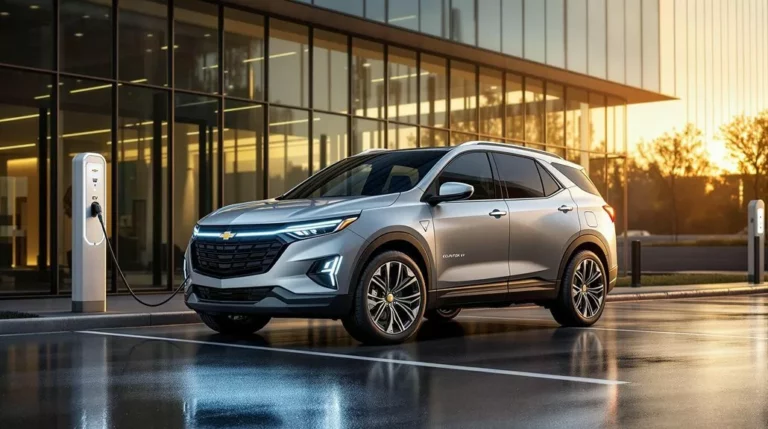

Electric car owners report several common problems with their vehicles. Batteries lose power in cold weather and degrade over time, costing thousands to replace. Software glitches affect door locks, entertainment screens, and safety sensors. Some owners have been trapped when electronic doors failed. Automakers are responding with extended warranties, regular software updates, and improved battery cooling systems. These fixes address the most serious concerns about electric vehicle reliability. In addition to manufacturer responses, many online forums and communities have emerged where electric car owners share their experiences and troubleshooting tips, providing valuable electric car reliability insights. These platforms enable owners to stay informed about common issues and solutions, fostering a sense of camaraderie among electric vehicle enthusiasts. As knowledge spreads, potential buyers can make more informed decisions, ultimately enhancing their confidence in choosing electric cars.
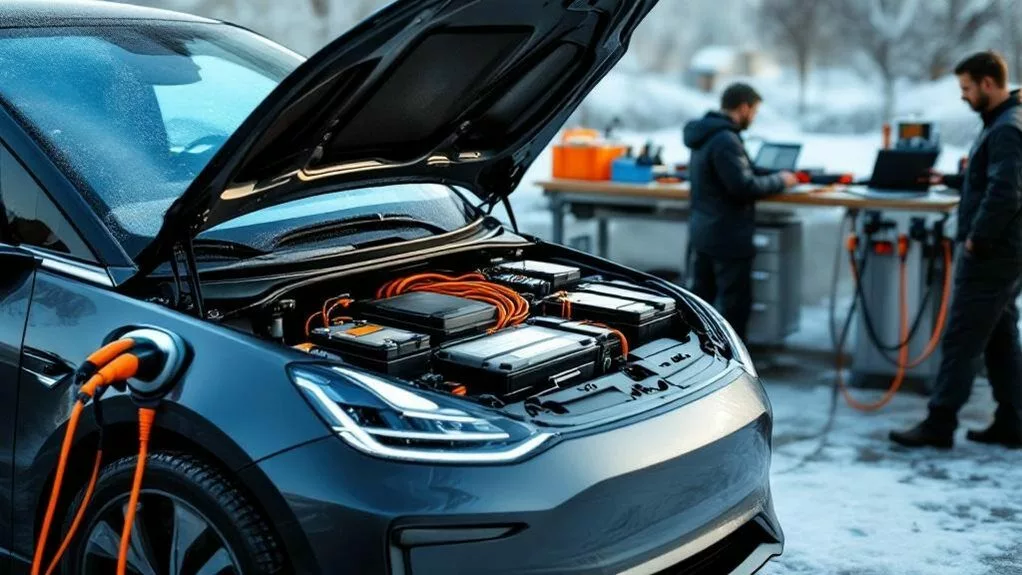
Electric vehicles face growing pains as more drivers make the switch from gas-powered cars. Battery problems top the list of concerns. Cold weather reduces range and hurts resale values. Batteries lose capacity over time. Some charging stations don’t work well with certain cars because they use different protocols. Replacement batteries cost thousands of dollars, and warranty coverage isn’t always clear. Running the heater or air conditioner drains batteries faster. Minor damage to battery packs can void warranties and lead to costly repairs that insurance companies won’t cover.
Electronic systems cause headaches too. Older electric cars often need software updates to fix glitches. Sensors that control braking and battery safety sometimes fail. Electronic doors and windows stop working, creating safety risks. Some cars don’t get important software updates, leaving bugs unfixed. Entertainment and route-finding screens freeze or show errors.
Performance drops when batteries run low. Cars accelerate slower with less charge. Cold or hot weather cuts driving range. The car’s range estimates don’t always match real-world driving. Using accessories like heated seats reduces mileage. Batteries struggle to manage heat during long charging sessions. Studies show cold weather can cause range decline of 20% to 50% in electric vehicles.
Safety worries persist. Door latches have failed on some models, trapping people inside when batteries die. Fire risks exist in some hybrid and plug-in vehicles. Electrical problems require expensive repairs. Sensors sometimes give false warnings about battery dangers. When warranties expire, owners face huge repair bills.
Certain models have more problems than others. The Mercedes GLC 350e suffers from hybrid system failures. Stellantis hybrids have drivetrain issues and lose value quickly. Hybrid minivans face fire risks and charging problems. Luxury plug-in hybrids struggle when electric and gas parts don’t work together properly.
Money matters concern buyers. Electric cars cost more upfront than gas cars. Battery replacement expenses affect trade-in values. Many electric models lose value faster than gas cars. Warranties become essential since batteries must last. Unpredictable maintenance costs scare budget-conscious shoppers. Electric vehicles are heavier than internal combustion engine vehicles, causing increased wear on tyres and suspension components. Additionally, the history of electric vehicles reveals a fluctuating market with early innovations overshadowed by the rise of gasoline-powered cars, leading to consumer skepticism. As technology continues to advance, many potential buyers are left weighing the benefits of lower operating costs against the higher initial investment. This historical perspective adds to the complexity of decisions for consumers considering a switch to electric.
Automakers work on fixes. They’re improving battery chemistry for better cold-weather performance. Software updates happen more frequently. Charging standards slowly become more uniform. Fire-resistant materials protect battery packs better. Door mechanisms get backup power sources. Despite challenges, electric vehicle technology advances each year.
Frequently Asked Questions
How Much Does It Cost to Replace an EV Battery Out of Warranty?
EV battery replacement costs vary widely when warranties expire.
Owners pay $5,000 to $16,000 or more, depending on the car model and battery size. A Tesla Model 3 replacement runs about $13,000. Nissan Leaf batteries cost $4,000 to $15,000.
Larger battery packs cost more than smaller ones. Some repair shops offer cheaper refurbished batteries.
Prices may drop by 2030 as battery technology improves and becomes less expensive.
Can I Install a Home Charging Station in an Apartment Complex?
Installing an EV charging station in an apartment complex requires HOA approval and proper permits.
Most condo associations have specific rules about charger installations. Residents must work with licensed electricians to check if the building’s electrical system can handle the extra power.
Costs typically start at $1,800, but they can go higher if parking areas need modifications. Many complexes share installation costs between residents and the HOA.
Do Electric Cars Qualify for Carpool Lane Access in All States?
Electric cars don’t qualify for carpool lane access in all states.
Only some states like California, Arizona, and New York allow single drivers in electric vehicles to use HOV lanes.
Drivers need special permits or stickers from their state.
This federal program expires in September 2025.
After that date, electric car owners might lose this benefit unless Congress extends the law.
What Happens to Old EV Batteries After They’re Replaced?
Old EV batteries don’t go to landfills.
They’re collected from dealerships and auto shops, then sent to recycling facilities. Workers discharge them for safety and take them apart. Some working cells become backup power for homes.
Recyclers extract precious metals like cobalt and lithium through shredding or chemical processes. These metals get reused in new batteries.
The toxic parts are handled carefully to protect the environment.
Are There Mobile Mechanics Who Specialize in Electric Vehicle Repairs?
Mobile mechanics who fix electric vehicles are becoming more common. Companies like Rivian send repair vans directly to customers’ homes.
These technicians can’t do everything – they need special training for high-voltage batteries. Simple fixes like computer diagnostics work well on-site. Major repairs still need a shop.
Some services even bring emergency chargers to dead EVs. The mobile repair business is growing as more people buy electric cars. This trend is bolstered by electric vehicle advocacy initiatives that promote the convenience and accessibility of owning an EV. As charging infrastructure expands, consumers are becoming more confident in making the switch to electric. Consequently, businesses that provide mobile services are finding new opportunities in this evolving market.