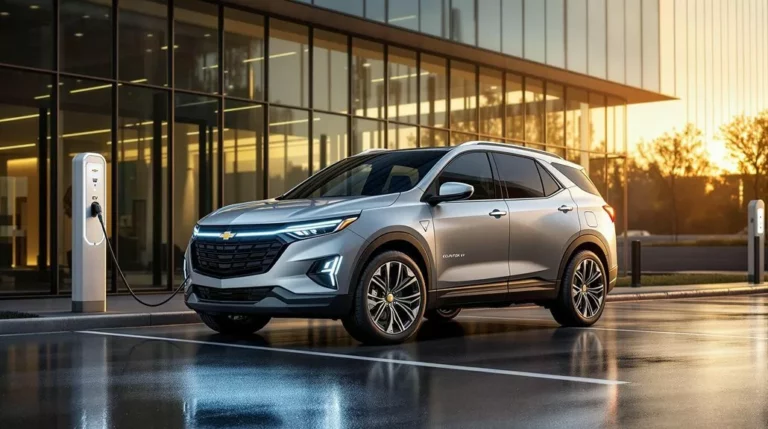

Electric vehicle owners need specific accessories to maximize their cars’ potential. Essential items include portable chargers for emergencies, home charging stations like the Ohme ePod, and adapters for accessing different charging networks. Safety gear includes low-profile jacks, fire extinguishers, and OBD2 scanners. Interior accessories range from cable storage boxes to heated seats that won’t drain batteries. Smart technology like dash cams and RFID cards simplify the driving experience. These tools address common EV challenges.
Every electric vehicle owner needs the right accessories to make their driving experience safer, more convenient, and efficient. From charging cables to portable chargers, having the right tools can significantly enhance your journey. Additionally, it’s important for owners to stay informed about electric car maintenance tips to ensure their vehicle operates at peak performance. Investing in quality accessories not only improves convenience but also extends the lifespan of your electric vehicle. These accessories can greatly enhance the overall performance and functionality of electric vehicles, addressing common electric car limitations for users. From portable chargers that facilitate convenient charging options to advanced GPS systems that optimize route planning, the right tools can significantly improve the electric driving experience. Furthermore, investing in quality accessories can help mitigate range anxiety, allowing drivers to travel with peace of mind. Understanding the differences between HEV vs PHEV vs BEV vs FCEV can also help owners select the most suitable accessories for their specific electric vehicle type. For instance, charging stations may vary depending on whether you own a plug-in hybrid or a battery electric vehicle, making it essential to choose compatible equipment. Additionally, investing in proper maintenance tools and tire inflators can enhance the longevity and performance of your EV. These accessories can enhance functionalities, from charging solutions to tech gadgets that improve navigation and connectivity. Additionally, many electric vehicle subscription benefits, such as maintenance packages and insurance options, can alleviate the stress of ownership and provide peace of mind. By investing in the right accessories and exploring subscription plans, owners can optimize their driving adventures while enjoying a sustainable lifestyle.
Charging equipment tops the list of essential gear. Portable EV chargers let drivers plug into standard outlets during emergencies on road trips. Home chargers like the Ohme ePod or Hive Mini Pro 3 provide faster and safer charging than public stations. The Chargepoints Home Flex offers adjustable current from 16A to 50A with WiFi connectivity for mobile control. Tesla owners benefit from NACS/CCS1 adapter kits that allow access to non-Tesla charging networks. Three-pin plug chargers serve as backup options, though they’re too slow for regular use. Dual and triple charging cables help manage multiple charge sessions while monitoring energy consumption. An EV charging cable that matches your connector type provides essential flexibility for accessing the UK’s 82,369 charging points.
Portable EV chargers let drivers plug into standard outlets during emergencies on road trips.
Safety and maintenance tools prove vital for EV ownership. Low-profile jacks and stands, such as the Pro-Lift 2-ton jack, work well for vehicles with minimal ground clearance. Tire pressure sensors track real-time data to maximize efficiency and safety. Fire extinguishers remain critical for electrical or battery emergencies. OBD2 scanners help drivers diagnose common EV problems themselves. Emergency breakdown kits include reflective triangles, flashlights, and gloves for roadside situations.
Interior accessories increase comfort and organization. Pet liners protect seats from furry passengers, while cable storage boxes prevent tangling in the trunk. Heated seat accessories warm drivers without draining the battery. Anti-slip trays secure loose items in the dash or center console. Dashboard phone mounts enable hands-free guidance and charging station apps. ChargePoint and Blink offer convenient payment options through their mobile apps for accessing public charging networks.
Technology improves the driving experience. Dash cams like the Lectron Vortex record trips for safety and insurance purposes. Smart chargers track home and work charging costs while optimizing energy use. RFID cards speed up registration at popular charging networks. Steering wheel heaters complement heated seats during winter months.
Exterior protection accessories shield vehicles from weather and damage. Charger port covers waterproof the charging port during rain or snow. Rear window de-icer kits speed up defrosting. UV-resistant window film reduces solar heat to protect battery life. Mudguards prevent debris damage during off-road excursions.
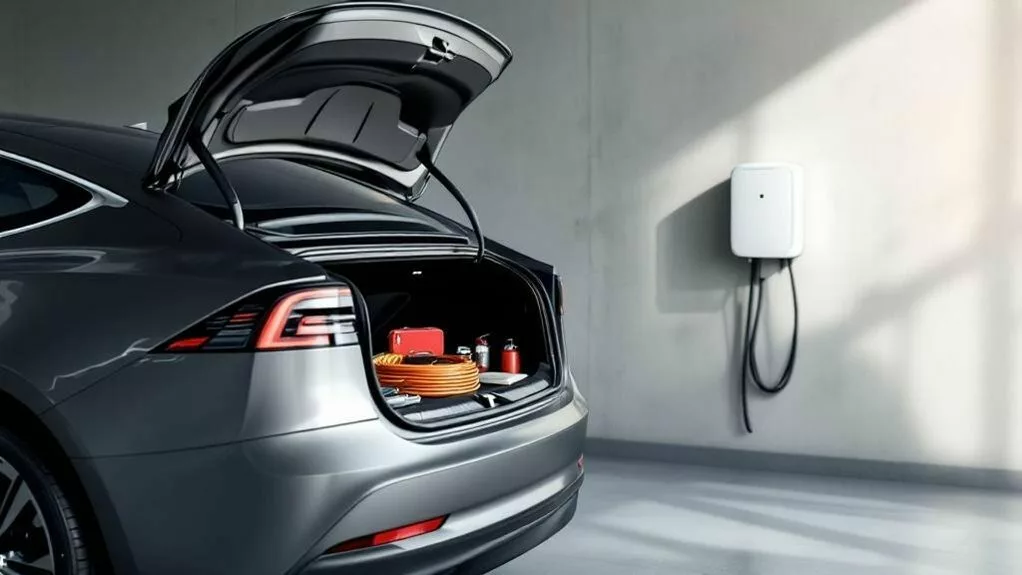
Storage solutions maximize space efficiency. Boot organizers create compartments for cables and emergency kits. Foldable carts transport groceries without damaging the vehicle. Roof-top luggage boxes add cargo space while maintaining aerodynamics.
Frequently Asked Questions
Are EV Accessories Compatible Across Different Electric Vehicle Brands and Models?
Most EV accessories work across different brands, but there are exceptions.
Level 1 and Level 2 chargers use the standard J1772 connector that fits nearly all electric cars except Tesla. Tesla owners need special adapters.
Older Nissan Leafs use CHAdeMO plugs that aren’t compatible with newer cars.
Mobile charging cords and wireless pads often require specific connectors.
Drivers should check their car’s port type before purchasing accessories.
How Much Should I Budget for Essential EV Accessories?
EV owners typically spend $500 to $800 on basic accessories.
A portable Level 2 charger costs about $300. Safety items like port covers and emergency jump starters add another $100. Smart chargers average $430 but aren’t essential.
Budget-conscious buyers can start with $200 for a basic charger and safety gear.
Many owners gradually add accessories like phone mounts and cable organizers for under $50 total.
Can I Install EV Accessories Myself or Need Professional Help?
Some EV owners install basic accessories themselves, while complex jobs require professionals. Simple tasks like adding phone holders take minutes.
However, installing home chargers involves 240-volt wiring that needs licensed electricians. Motor modifications and high-current systems also demand experts.
DIY attempts on electrical work can cause fires or void warranties. Most owners hire professionals for safety-critical installations.
Labor costs range from hundreds to thousands of dollars depending on the job’s complexity.
Do Aftermarket Accessories Void My Electric Vehicle’s Warranty?
Aftermarket accessories don’t automatically void electric vehicle warranties. Federal law protects owners through the Magnuson-Moss Act.
Manufacturers can’t cancel warranty coverage unless they prove the accessory caused damage. Cosmetic changes like wheels or interior trim typically won’t affect battery or motor warranties.
However, performance modifications or ECU tuning often trigger restrictions. Dealers must show direct causation between the accessory and any failure before denying warranty claims.
Where Can I Buy Quality EV Accessories Online or Locally?
Electric vehicle owners can find quality accessories at several locations.
Online retailers like Amazon and EV Parts Solutions offer wide selections of chargers and tech upgrades.
Specialized stores such as Pimp My EV sell high-end carbon fiber modifications.
Tesla and other authorized dealerships provide official accessories.
Auto parts chains including Home Depot stock basic charging equipment.
Local hardware stores may carry simple EV accessories in some areas.