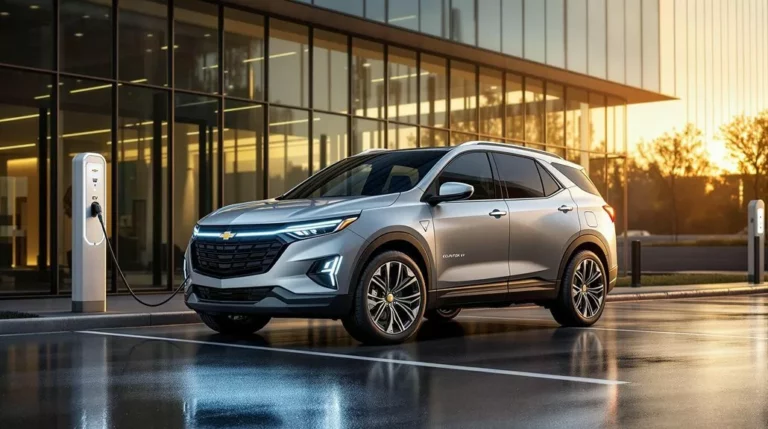

Electric cars require specific maintenance tasks that differ from traditional vehicles. Drivers check battery coolant levels and monitor thermal systems to prevent overheating. Tire rotation happens every 7,500 miles, while brake inspections occur between 20,000 and 75,000 miles due to regenerative braking’s impact. Cooling system flushes take place around 75,000 miles. Cabin air filters need replacement at 36,000 miles. These maintenance schedules help electric vehicles run efficiently and extend their lifespan.
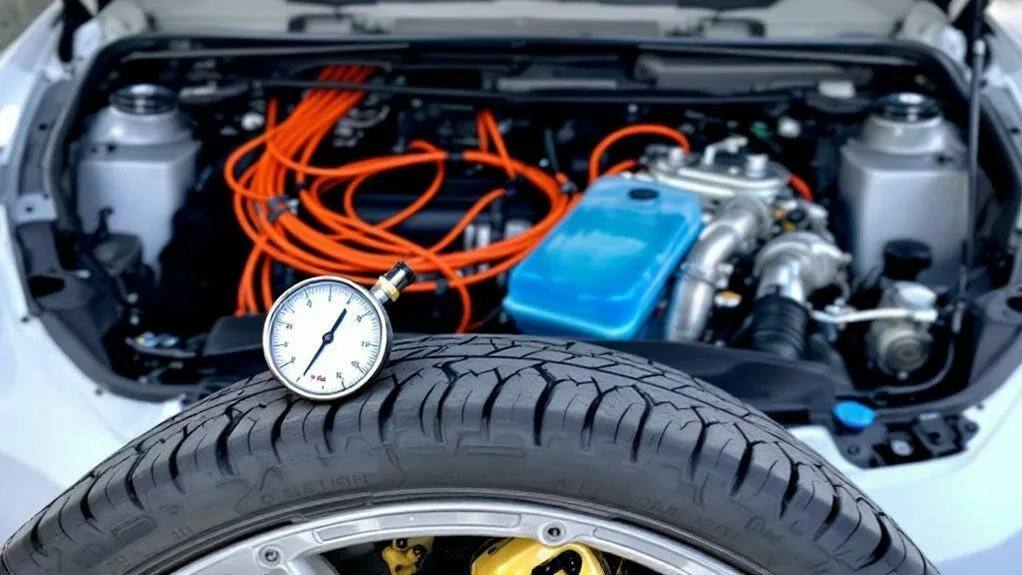
While gas-powered cars need oil changes and engine tune-ups, electric vehicles require different maintenance to keep running smoothly. Electric car owners focus on battery health, cooling systems, and other components unique to these vehicles. Additionally, understanding the differences in maintenance needs is crucial for maximizing the lifespan of electric vehicles. For instance, a hev vs phev comparison can reveal significant distinctions in how each type of hybrid manages energy and requires servicing. Regular check-ups on the battery management system and updates to software can also enhance performance and efficiency. Additionally, owners should regularly check the software updates and tire health to ensure optimal performance. Embracing this maintenance routine contributes significantly to the benefits of driving electric vehicles, such as reduced emissions and lower operating costs. Furthermore, the longevity of battery life can enhance the overall value of the investment in an electric vehicle.
Battery maintenance sits at the heart of electric vehicle care. Drivers check coolant levels regularly to prevent the battery from overheating. They avoid letting their cars sit in extreme temperatures for long periods, which can damage battery life. Most owners skip charging from empty to full every time, as this practice wears down the battery faster. The battery’s thermal management system needs proper functioning to regulate temperature. Around 75,000 miles, the battery coolant typically needs replacement. Cold weather can cause a range decline of 20% to 50% in EVs, making battery care even more critical. Additionally, drivers should familiarize themselves with essential ev battery maintenance tips, such as avoiding frequent fast charging, which can generate excess heat and lead to degradation. Regular software updates can also optimize battery performance and enhance overall efficiency, so staying up-to-date is crucial. Implementing these practices can significantly extend the lifespan and reliability of the electric vehicle’s battery.
Smart charging habits and temperature control extend electric vehicle battery life significantly.
Tires on electric vehicles often wear differently than on gas cars due to the instant torque and heavier weight. Owners rotate their tires every 7,500 miles to prevent uneven wear. They check tire pressure monthly and inspect wheel alignment yearly. Regular tread depth checks help spot wear patterns early. Most electric car tires last between 45,000 and 75,000 miles before needing replacement.
The brake system on electric cars lasts longer than traditional vehicles thanks to regenerative braking. Still, brakes need inspection every 20,000 to 75,000 miles. Mechanics check rotors, brake pads, and the ABS system during these visits. Brake fluid gets replaced according to the manufacturer’s schedule, and technicians examine brake hoses for cracks or leaks.
Cooling systems protect multiple components beyond just the battery. Electric vehicles have separate cooling circuits for the cabin heater and inverter. Drivers monitor these systems for leaks and maintain proper coolant levels. In extreme climates, they check levels more frequently. The entire cooling system typically needs flushing between 75,000 and 100,000 miles. Regular maintenance helps maintain the vehicle’s warranty coverage throughout ownership.
Other maintenance tasks include replacing cabin air filters every 36,000 miles and wiper blades every 15,000 miles. Suspension components need regular inspection, including gas struts, ball joints, and tie rods. Door locks and gas struts benefit from lubrication during major services. Electric vehicles also require periodic underbody flushing to remove road salt and debris that can cause corrosion.
Winter storage in garages helps preserve battery life, while summer driving requires active thermal management to prevent overheating.
Frequently Asked Questions
How Much Does Electric Car Insurance Typically Cost Compared to Gas Vehicles?
Electric car insurance costs have changed dramatically.
In 2021, EV owners paid 37% more than gas car drivers. By 2023, that gap shrank to 26%.
Recent 2025 data shows they’re now almost equal—$1,607 yearly for EVs versus $1,606 for gas cars.
Some EVs like Ford’s F-150 Lightning actually cost less to insure than their gas versions.
However, Teslas and luxury EVs still cost more due to expensive repairs.
Can I Install a Home Charging Station Myself or Need an Electrician?
Most homeowners can’t install Level 2 charging stations themselves.
These 240-volt systems require electrical permits and professional installation. The work involves adding circuit breakers, running heavy-gauge wiring, and modifying electrical panels. Many areas require licensed electricians for this work.
Simple plug-in Level 1 chargers that use standard outlets don’t need special installation.
DIY attempts on 240-volt systems risk fire hazards and may void insurance coverage.
What Happens to Old EV Batteries When They Need Replacement?
When EV batteries can’t hold enough charge, trained technicians remove them at special centers.
The old batteries don’t go to waste. Companies extract precious metals like lithium and cobalt for new batteries. Some batteries get a second life powering homes or research labs.
Car makers often take back old batteries through warranty programs. Special facilities handle these batteries carefully because they’re considered hazardous waste.
Are Electric Cars Safe to Drive Through Deep Water or Floods?
Electric cars shouldn’t drive through deep water or floods.
Water deeper than 4 inches can damage the battery and electrical parts. Saltwater is especially dangerous. It can cause fires hours or days later.
Several electric cars caught fire after hurricanes in 2022. While electric cars have safety features that shut down power during water exposure, experts say drivers should avoid flooded roads completely.
Do Electric Cars Work Well in Extremely Cold or Hot Climates?
Electric cars face challenges in extreme temperatures.
In freezing weather, their driving range drops by half and charging takes 36% longer.
Hot weather cuts range by 17-18% as air conditioning and battery cooling systems drain power.
Cold weather affects performance more than heat.
Drivers can reduce these problems by parking indoors, pre-heating or cooling their cars while plugged in, and using seat heaters instead of cabin heat.