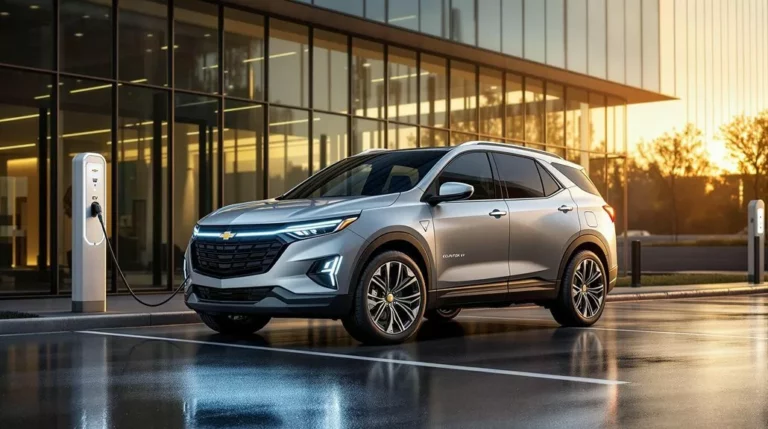

Electric cars are becoming more reliable each year. New data shows that only 4.2 out of every 1,000 newer electric vehicles needed roadside help from 2020 to 2022. That’s much better than older models. In 2024, electric cars made up just 1.2% of all breakdown calls. Most problems aren’t with batteries or motors but with small electrical glitches and interior trim. As technology advances, manufacturers continue to improve their electric vehicles’ dependability. Despite these improvements, some common electric car problems can still arise, including issues with software glitches and charging equipment compatibility. Drivers should remain vigilant and stay informed about potential maintenance needs to ensure optimal performance of their vehicles. As the market grows, manufacturers are also investing in better customer support to address any concerns effectively.
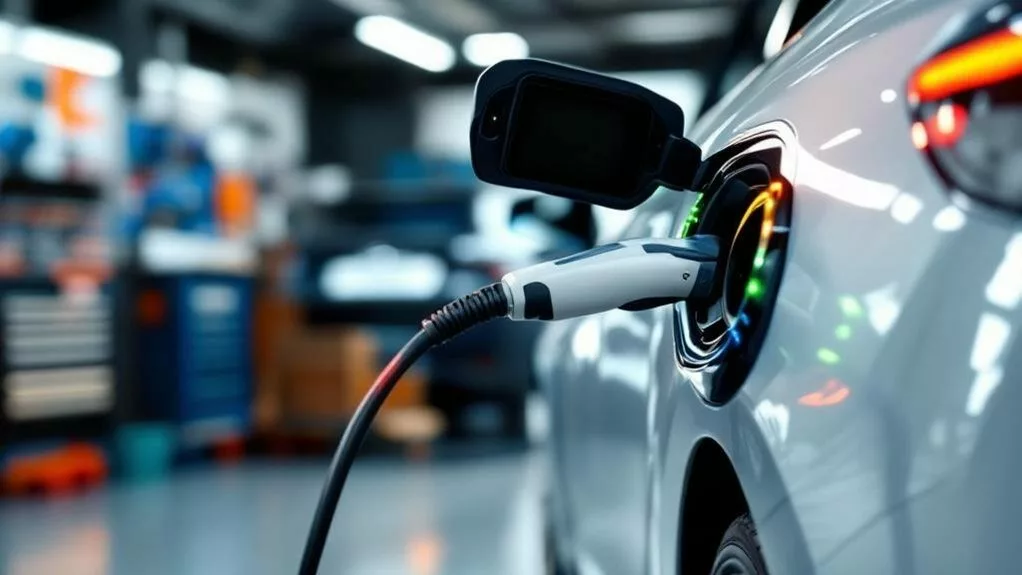
While electric cars have gained popularity in recent years, many drivers still wonder if they’re as reliable as traditional gas vehicles. New data shows electric vehicles are becoming more dependable each year, though they still face some challenges. The evolution of electric vehicles over time has led to significant advancements in battery technology and overall performance, enhancing their reliability. Many manufacturers are now offering extended warranties and improved service options to reassure potential buyers. As a result, the perception of electric cars is shifting, with more drivers considering them a viable alternative to conventional vehicles.
ADAC, a major European automobile club, found that newer electric cars break down less often. From 2020 to 2022, only 4.2 out of every 1,000 electric vehicles needed roadside assistance. In 2024, electric cars made up just 1.2% of all breakdown calls – about 43,678 out of 3.6 million total calls.
Some electric models perform exceptionally well. The Mini Electric topped reliability ratings with a 95.6% score for models from 2020 to 2024. Tesla’s Model Y led among electric SUVs, while BMW’s i4 earned an 82 reliability score from Consumer Reports. The Nissan Ariya and Lexus RZ scored lower but still performed respectably.
Most problems with electric cars aren’t related to their batteries or motors. Instead, owners report electrical glitches and interior trim issues. About 5% of Mini Electric owners experienced trim problems, while 3% had brake system troubles. When repairs are needed, 60% cost nothing, but 40% range from $300 to $1,000.
Battery and motor reliability remains strong. ADAC’s study shows these components fail less often than engines in gas-powered cars. Manufacturers recognize this strength and often provide extensive battery warranties.
Electric cars come with higher price tags. The BMW i4 starts at $52,200, while Tesla’s Model 3 begins at $40,240. However, lower maintenance needs can offset these upfront costs over time. The cheapest EVs are currently priced between $28,000 and $30,000, which may deter some consumers from making the switch in the near future.
Industry experts see positive trends. What Car? magazine expanded its reliability survey to include 34 electric models in 2025, showing growing confidence in the technology. Consumer Reports now evaluates more than 34 electric vehicles, indicating the market’s maturity. However, overall reliability scores for electric cars dropped from 90.7% to 87.7% this year, suggesting some growing pains as the technology rapidly evolves.
Despite pandemic-related quality issues affecting all vehicles – JD Power reported a 6% increase in problems industry-wide – electric cars continue improving. Better battery technology, simpler powertrains, and remote software updates help address issues quickly. Major brands like GM, Ford, and Hyundai have emerged as top-sellers in America, challenging Tesla’s early dominance in the electric vehicle market.
As more drivers choose electric vehicles, manufacturers gain significant data to improve reliability further.
Frequently Asked Questions
How Much Does It Cost to Replace an Electric Car Battery?
Electric car battery replacements currently cost between $5,000 and $16,000 for most vehicles.
The Nissan Leaf’s replacement ranges from $4,000 to $15,000, while Tesla Model 3 batteries cost $7,000 to $13,500.
Prices depend on battery size and whether owners choose new or refurbished options.
Experts predict costs will drop considerably by 2030, potentially reaching $4,500 to $5,000 as battery technology improves and production scales up.
Do Electric Cars Require Special Insurance Coverage?
Electric cars don’t need special insurance coverage. They require the same basic policies as gas cars—liability, collision, and thorough. However, as the popularity of electric vehicles grows, some insurers may adjust their policies to reflect the unique aspects of these cars, such as potential repair costs and specialized components. It’s essential for owners to stay informed about trends in electric vehicle insurance premiums 2025, as they may differ from traditional vehicle insurance rates. Overall, understanding the specific coverage options can help ensure that electric vehicle owners are adequately protected on the road.
However, experts recommend adding extra protection for batteries, charging equipment, and high-tech parts. Some homeowners’ insurance already covers charging stations.
Insurance companies now offer EV-specific plans with features like battery damage protection. These additions help cover the unique risks and higher repair costs of electric vehicles.
Can Electric Cars Be Serviced at Regular Mechanic Shops?
Most regular mechanic shops can’t service electric cars properly.
They don’t have the right tools for high-voltage batteries or special computer systems.
EV repairs need certified technicians who’ve completed manufacturer training programs.
Regular mechanics can still handle basic tasks like tire rotations and brake checks.
But battery problems, charging issues, and electric motor repairs require specialized shops with proper equipment and safety gear.
What Happens to Old Electric Car Batteries After Replacement?
Old electric car batteries don’t go to waste. Most batteries get recycled through special facilities.
Workers carefully take apart the batteries and separate precious materials. They recover metals like lithium, cobalt, and nickel. These materials become ingredients for new batteries.
Some batteries that still work well get a second life. They’re repurposed for energy storage in homes or businesses.
The recycling process follows strict environmental rules.
Do Extreme Temperatures Affect Electric Car Reliability?
Extreme temperatures do affect electric car reliability.
In cold weather, EVs lose about 25% of their driving range. Some models handle it better—Hyundai’s Kona keeps 91% of its range while others drop to 70%.
Hot weather causes smaller problems, reducing range by 5-17%. High temperatures and fast driving speeds make parts like batteries and motors fail more often.
Engineers are working on better heating and cooling systems.