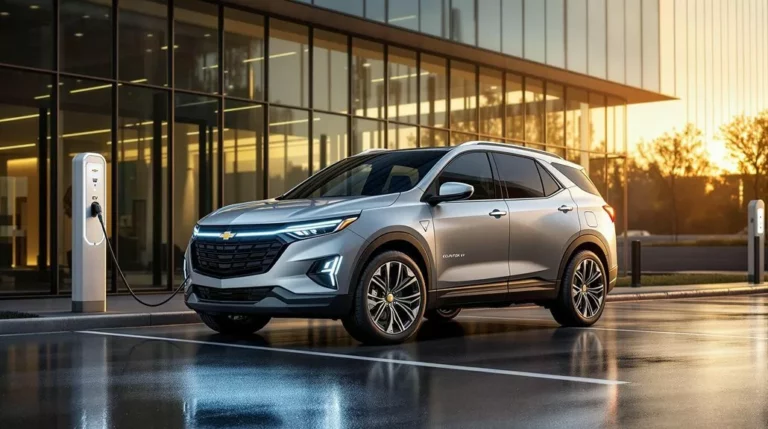

Electric cars scored top marks in 2024 safety tests. The Genesis Electrified GV70 and Tesla Model Y earned IIHS Top Safety Pick+ awards. These vehicles feature automatic emergency braking, blind-spot monitoring, and pedestrian detection. Government tests gave five-star ratings to the Audi Q4 e-tron, Nissan Ariya, and Volkswagen ID.4. Electric cars’ low center of gravity and battery placement improve crash protection. Manufacturers continue developing new safety technologies for these vehicles.
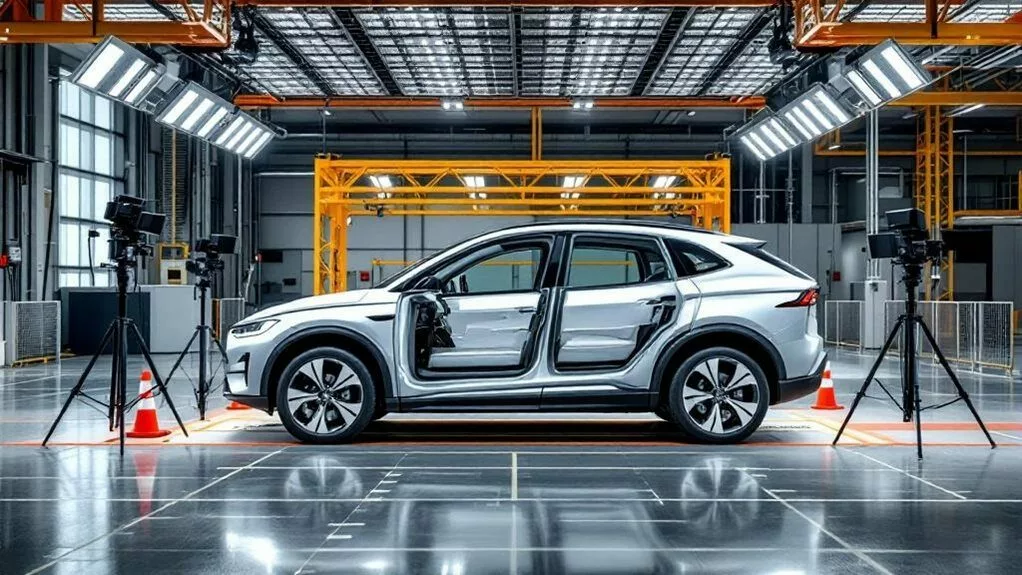
How safe are electric cars in 2024? The latest safety tests show that several electric vehicles have earned top marks from major safety organizations. The Insurance Institute for Highway Safety named the 2024-2025 Genesis Electrified GV70 and 2024 Tesla Model Y as Top Safety Pick+ winners, their highest honor. Additional Top Safety Pick+ winners include the Hyundai Ioniq 6 and Lexus RZ, both recognized for their exceptional crash test performance. These models passed rigorous crash tests and met strict standards for headlights and pedestrian protection. In addition to their impressive safety ratings, these vehicles also feature spacious interiors and advanced technology, making them some of the best electric cars for families. Many models offer enhanced driver-assistance systems that contribute to overall safety and peace of mind on the road. As manufacturers continue to innovate, we can expect even more family-friendly features in future electric vehicle designs. Furthermore, as we look ahead, several manufacturers are already gearing up to release their latest models that promise to maintain high safety standards. Keeping an eye on these developments, it’s likely that the top electric vehicles for 2025 will incorporate even more advanced safety features and innovative technologies to enhance the overall driving experience. With continuous advancements in battery technology and autonomous driving capabilities, these vehicles are poised to redefine safety in the electric car segment.
The Audi Q4 e-tron, Q4 Sportback e-tron, Q8 e-tron, and Rivian R1S earned the regular Top Safety Pick award. To qualify for these awards, vehicles must score “good” ratings in multiple crash tests including small overlap front, moderate overlap front, updated side tests, and roof strength evaluations. They also need advanced systems that can detect and avoid hitting pedestrians during both day and night.
Electric cars are packed with state-of-the-art safety technology. The Audi Q4 e-tron comes with lane departure warning, responsive cruise control, and blind-spot monitoring. Tesla’s Model Y features Autopilot for semi-autonomous driving. The Hyundai Ioniq 5 and Volkswagen ID.4 offer rear cross-traffic alerts and mechanized emergency steering. Genesis equipped its GV70 with cyclist detection, while Rivian’s R1S includes 360-degree cameras and automatic emergency braking. The 2024 Hyundai Ioniq 6 achieves an impressive 140 MPGe fuel economy while maintaining its Top Safety Pick status.
The National Highway Traffic Safety Administration also gave perfect five-star ratings to several electric models. The 2024 Audi Q4 e-tron, Tesla Model Y, Nissan Ariya, Subaru Solterra, and Volkswagen ID.4 all achieved top scores in government crash tests. The Model Y showed particularly strong roof strength, while the Nissan Ariya excelled in side impact tests.
Electric vehicles benefit from unique safety advantages. Their 800-volt electrical systems reduce thermal stress and improve structural integrity. Battery placement in models like the Subaru Solterra helps absorb collision energy. The Rivian R1S uses special extruded body construction for improved protection. Additionally, the evolution of electric vehicles explained shows how advancements in battery technology and vehicle design contribute to higher safety standards. Many manufacturers are incorporating robust crumple zones and advanced driver-assistance systems that further enhance occupant protection. As research continues, electric vehicles are expected to integrate even more innovative safety features, making them an increasingly appealing option for consumers.
Manufacturers continue refining safety through software updates and new features. Tesla regularly updates its Autopilot system over the air. Audi standardizes traffic-jam assist across its electric lineup. These advances demonstrate that electric cars aren’t just environmentally friendly—they’re among the safest vehicles on the road today.
Frequently Asked Questions
How Do Electric Car Safety Ratings Compare to Traditional Gasoline Vehicles?
Electric cars and traditional gasoline vehicles earn the same safety ratings.
Nine electric vehicles won IIHS Top Safety Pick+ awards in 2025, matching gas-powered models.
Both types must pass identical crash tests for small-overlap front, side impact, and pedestrian detection.
They’re also held to the same standards for headlights and automatic emergency braking.
Safety experts don’t see major differences in crash protection between electric and gas cars.
What Happens to Electric Car Batteries During a Severe Crash?
During severe crashes, electric car batteries face extreme forces that could cause damage.
Tests show modern EVs have multiple safety systems that work together. The high-voltage systems automatically shut off when crashes happen. Strong protective cases around batteries prevent crushing.
Even in violent collisions at 56 kilometers per hour, batteries didn’t catch fire or leak dangerous chemicals. Car makers design batteries to survive impacts stronger than typical accidents.
Are Electric Cars Safe to Drive Through Floods or Deep Water?
Electric cars aren’t safe to drive through floods or deep water. While they have waterproof batteries and sealed parts, moving water can sweep any vehicle away.
Experts say drivers shouldn’t go through water deeper than 4 inches. Floodwater can damage the car’s brakes and electrical systems. Hidden obstacles like potholes make flooding even more dangerous.
Car makers warn that water damage might void warranties.
Do Electric Cars Require Special Safety Equipment for Home Charging?
Electric cars don’t need special safety equipment for home charging, but they do require proper electrical setup.
Most EV owners hire electricians to install dedicated 240-volt circuits and Level 2 charging stations. These installations must include safety features like ground fault circuit interrupters and properly sized circuit breakers.
Standard wall outlets work for slow charging, but faster charging needs professional installation to meet electrical codes.
How Do Emergency Responders Handle Electric Vehicle Accidents Differently?
Emergency responders approach electric vehicle accidents with special caution. They first identify if it’s electric or hybrid using manufacturer guides.
Crews disconnect the regular 12-volt battery but won’t cut orange high-voltage cables that carry over 300 volts. For fires, they’ll use thousands of gallons of water since foam doesn’t work on battery fires.
Responders wear full protective gear because burning batteries release toxic fumes. They also evacuate nearby areas immediately.