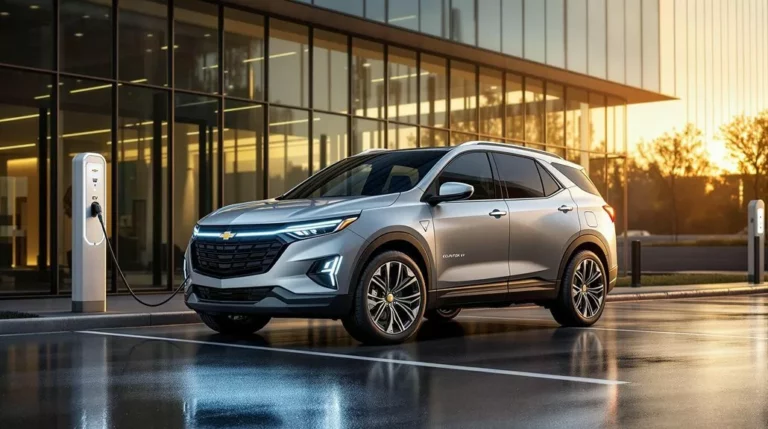

Electric vehicle buyers focus on five main areas when shopping. Range determines how far drivers can travel between charges, with models offering 252 to 327 miles. Charging infrastructure includes home equipment and public stations. Performance features like all-wheel drive and acceleration vary widely. Space ranges from compact sedans to three-row SUVs. Prices span from $30,000 entry models to $100,000 luxury vehicles, with potential tax credits available. These factors shape which EV fits specific lifestyles and budgets. Additionally, prospective EV owners should consider essential tips for road trips, such as planning charging stops along their routes to avoid range anxiety. Understanding the charging time at different stations can also help maximize travel efficiency. Lastly, researching local incentives can further influence the decision-making process and help buyers find the best fit for their needs. Additionally, families should assess the safety ratings and spaciousness of vehicles when selecting their next electric car. Compared to traditional options, the best electric cars for families now offer a range of features designed to enhance comfort and convenience during travel. Prospective buyers may also want to read reviews and comparisons to better understand how different models cater to family needs.
When shopping for an electric vehicle, buyers face choices that didn’t exist a decade ago. Range remains a top concern. The Tesla Model Y can travel up to 327 miles in real-world tests. Other factors like charging speed and battery health also matter. Used EV buyers should check the battery’s remaining capacity before purchasing.
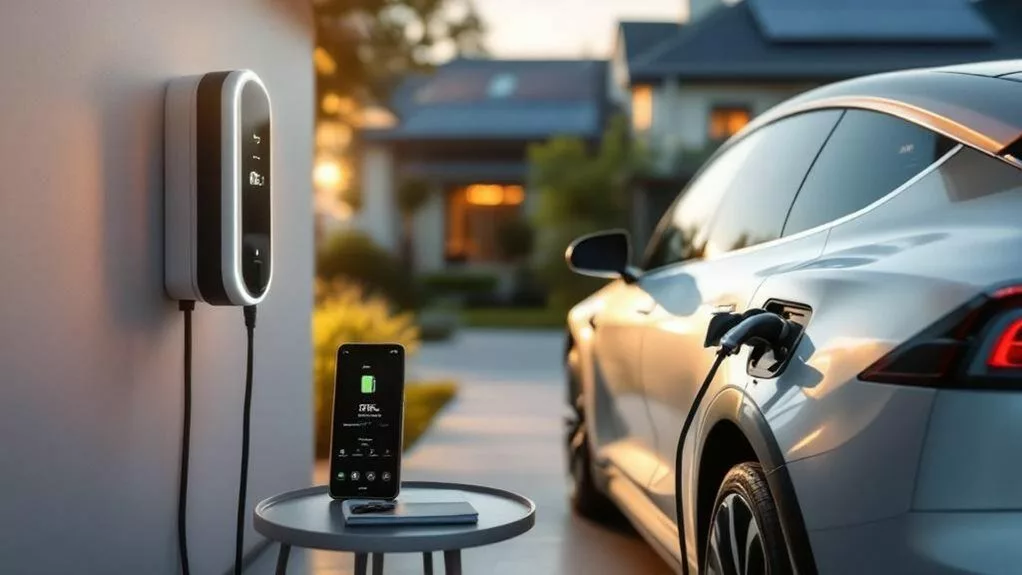
Charging options vary by model. Most EVs can use standard 120V outlets, faster 240V chargers, and DC fast charging stations. Access to public networks like Tesla’s Superchargers or Electrify America depends on the car brand. Home charging equipment needs to match the vehicle’s specifications.
Most EVs charge at home using 240V outlets or public DC fast charging networks like Tesla Superchargers.
Performance differs widely among electric models. High-end EVs like the Lucid Air and Porsche Taycan focus on quick acceleration. All-wheel drive systems in crossovers like the Hyundai Ioniq 5 improve traction in bad weather. Regenerative braking systems help save energy while slowing down. Some EVs prioritize comfort while others lean toward sporty handling. The Porsche Taycan delivers 252–292 miles of EPA-estimated range while maintaining its performance-oriented character. However, real-world mileage may differ significantly from EPA estimates due to weather conditions and driving patterns.
Space and practicality vary by model type. SUVs like the Kia EV9 offer three rows of seats and large cargo areas. Compact sedans like the Tesla Model 3 seat five people comfortably. Storage solutions include front trunks and console bins for small items. Towing capacity remains limited in most EVs, though pickup trucks like the Rivian R1T can haul heavy loads. The Ford F-150 Lightning can tow up to 11,000 pounds while providing practical electric truck capabilities.
Prices span a wide range. Entry-level models like the Chevy Bolt EUV start near $30,000. Luxury options like the Lucid Air cost over $100,000. Federal tax credits and state rebates can reduce upfront costs. Electric vehicles save money on fuel but may cost more to insure. They need less maintenance since they don’t require oil changes.
Technology plays a major role in modern EVs. Most feature large touchscreens and receive software updates remotely. Advanced safety features like flexible cruise control come standard on newer models. Electric vehicles often earn top safety ratings due to their low center of gravity. The evolution of electric vehicles overview highlights the significant advancements in battery technology, which have dramatically increased driving ranges and reduced charging times. Additionally, many EVs now incorporate artificial intelligence to optimize energy consumption and enhance the driving experience. As the market continues to grow, manufacturers are focusing on sustainability, with an increasing emphasis on using recycled materials in vehicle production.
Brands like Tesla update their cars’ features through wireless downloads, adding new functions without dealer visits.
Frequently Asked Questions
How Does Extreme Weather Affect Electric Vehicle Battery Performance and Range?
Extreme temperatures hurt electric vehicle batteries.
Cold weather cuts driving range by half at -4°F. The battery’s chemical reactions slow down, and heating the car drains power.
Hot weather above 85°F permanently damages batteries. Cooling systems use extra energy, reducing range by 17%. Fast charging becomes slower in both extremes.
Cold temporarily weakens batteries, but heat causes lasting damage that can’t be fixed.
Can I Charge My Electric Vehicle Using Solar Panels at Home?
Homeowners can charge electric vehicles using rooftop solar panels.
The setup requires solar panels, inverters, and sometimes batteries for energy storage. Tesla and other EVs need specific charging equipment that connects to the solar system.
Studies show this method cuts electricity bills by about 6.5%. It also reduces carbon emissions since solar power doesn’t create the pollution that coal or gas plants do when making electricity.
What Happens to Electric Vehicle Batteries After They’re No Longer Usable?
When electric vehicle batteries can’t power cars anymore, they don’t go to waste.
Recycling facilities collect and sort them by type. Workers safely discharge the batteries and break them apart. The cells get shredded into black powder containing precious metals like lithium, cobalt, and nickel.
Chemical processes extract these materials for new batteries. Some batteries that still work become energy storage units for homes or businesses.
Are Electric Vehicles Safe to Drive Through Floods or Deep Water?
Electric vehicles aren’t safe to drive through floods or deep water. Water that’s over 4 inches deep can sweep cars away.
EVs can handle shallow puddles like regular cars, but deep water causes serious problems. The batteries can short-circuit and catch fire days or weeks later.
Saltwater is especially dangerous because it corrodes parts faster. Experts say flooded EVs need professional inspection before anyone drives them again.
How Much Does It Cost to Replace an Electric Vehicle Battery?
Today’s EV battery replacement costs range from $4,000 to $15,000.
Tesla Model 3 batteries cost $7,000 to $12,400.
Nissan Leaf replacements vary from $4,000 to $15,000.
Out-of-warranty replacements can exceed $12,000.
Battery prices have dropped 50% since 2023.
Experts predict costs will fall to $4,500-$5,000 for a 100 kWh battery by 2030.
That’s about 30% of a $15,000 used car’s value.