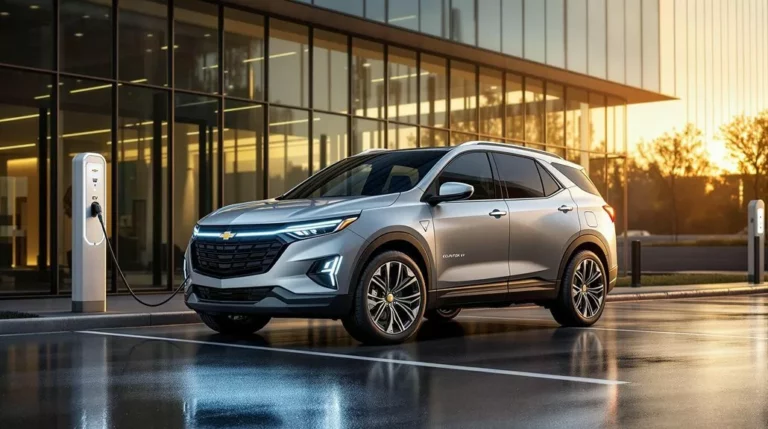

Electric vehicle drivers tackle range anxiety through several proven methods. Studies show 78% of EV owners report their worries fade within weeks of purchase. Modern EVs now average 291 miles per charge, while most Americans drive just 37 miles daily. Charging stations doubled from 26,959 to 59,696 between 2019 and 2023. Home charging meets most daily needs, and maintaining battery levels between 20%-80% preserves efficiency. These strategies convert initial concerns into lasting confidence.
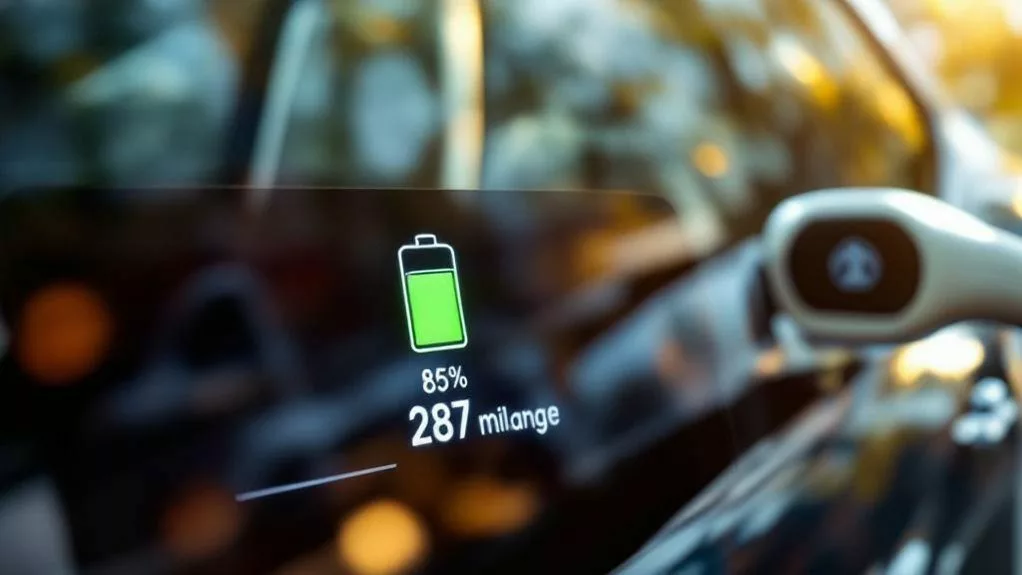
Although most electric vehicle drivers no longer worry about running out of battery power, range anxiety remains the top concern for people thinking about buying their first EV. Cox Automotive reports that over 80% of consumers hesitate because they’re afraid their car won’t have enough range. This fear drops dramatically once people actually own an EV. About 65% of current EV drivers say they felt anxious at first, but those worries disappeared after a few months of driving.
Range anxiety plagues 80% of potential EV buyers but fades quickly after purchase.
The gap between perception and reality is striking. While 76% of potential buyers report high anxiety levels, only 59% of current drivers feel any concern at all. Modern EVs can handle 95% of daily driving needs with just 100-mile ranges, according to a BMW study. Most Americans drive only 37 miles per day, which means EVs with 300-mile ranges need charging just once a week. Additionally, advancements in quieter electric vehicle technology contribute to a more enjoyable driving experience, alleviating concerns about noise pollution. As consumers become more familiar with the capabilities and benefits of EVs, perceptions may begin to shift, potentially easing the anxiety surrounding electric vehicle ownership. This transition could lead to a greater acceptance of EVs as a viable and efficient alternative to traditional vehicles.
Battery technology has improved considerably. The average EV range reached 291 miles in 2022, with many current models exceeding 300 miles. Even affordable electric cars now offer 200-plus miles per charge. These ranges far exceed what most drivers actually need, since typical daily trips cover less than 100 miles. Premium models from Tesla and Lucid now offer ranges exceeding 520 miles on a single charge. This significant advancement in battery technology marks a dramatic shift in the history of electric vehicles, allowing for greater consumer confidence and wider adoption. As infrastructure continues to expand with the installation of fast chargers, the convenience of owning an electric vehicle will only improve. With innovations such as solid-state batteries on the horizon, future models promise to deliver even greater efficiency and longer ranges. In addition to improved range, advancements in battery technology are paving the way for enhanced autonomous features in electric vehicles. These innovations not only promote safer driving experiences but also allow for seamless integration with smart traffic systems, further optimizing routes and reducing congestion. As manufacturers continue to push the boundaries of what’s possible, the future of transportation looks increasingly promising and interconnected.
Charging infrastructure has grown rapidly across the United States. The number of charging stations more than doubled from 26,959 in 2019 to 59,696 by late 2023. The federal NEVI Formula Program allocates funds specifically for strategically placed charging stations along major corridors to support long-distance travel. Businesses, hotels, and property managers are installing more chargers in strategic locations. While there aren’t as many charging stations as gas stations yet, planners focus on placing them where they’re needed most rather than everywhere.
Home charging solves most drivers’ needs. Those who can charge at home rarely need public stations for daily driving. However, rental properties and high installation costs prevent some people from accessing home charging. Maintaining battery charge between 20%-80% helps preserve battery efficiency and extends the vehicle’s range capabilities.
Experience changes everything. About 78% of EV owners report their range anxiety decreased as they became familiar with their vehicles. First-time owners typically learn effective charging habits within weeks. They stop worrying about running out of power and instead focus on planning charging stops for longer trips.
Frequently Asked Questions
How Much Does It Cost to Install a Home EV Charging Station?
Installing a home EV charging station typically costs $550 to $2,500 for Level 2 chargers.
Basic Level 1 setups run $300 to $600.
Labor makes up $400 to $1,200 of the total.
Costs depend on the home’s electrical system, distance from the panel, and local permits.
Older homes might need panel upgrades costing $500 to $2,000 extra.
Permit fees add another $50 to $500.
Can Extreme Weather Conditions Affect My Ev’s Battery Range Performance?
Extreme weather greatly reduces electric vehicle battery range.
Cold temperatures cut range by up to 50% at -4°F. The car’s heater drains the battery quickly.
Hot weather above 90°F reduces range by 5-17% due to air conditioning use.
Snow and rain create more road resistance, using extra energy.
Battery chemicals work less efficiently in extreme temperatures.
Preheating the car while it’s plugged in helps save range.
Are There Mobile Apps That Help Locate Available Charging Stations Nearby?
Several mobile apps help EV drivers find charging stations.
PlugShare shows real-time availability for all charger types and works with Google Maps. The app includes driver reviews and photos.
Google Maps also displays EV chargers without downloading extra software.
Chargemap covers 135,000 stations worldwide.
Network-specific apps like Electrify America, EVgo, and ChargePoint offer special features.
Tesla’s app shows Supercharger wait times.
These apps make finding chargers easy.
What Warranty Coverage Do Manufacturers Offer for EV Batteries?
EV battery warranties must last at least eight years by federal law. Most companies offer 8-10 year coverage or 100,000 miles.
Ford’s warranty covers defects but not normal wear. Many manufacturers replace batteries that drop below 60-70% capacity.
Nissan uses a 9-bar system to measure battery health. Warranties don’t cover damage from improper charging, unauthorized repairs, or owner neglect.
Coverage varies between car brands.
How Long Does a Typical EV Battery Last Before Needing Replacement?
Most EV batteries last 15 to 20 years under normal driving conditions.
That’s about 280,000 miles before they need replacing. Studies show the average battery lasts 18.4 years.
However, extreme heat and frequent fast charging can shorten life to 8-12 years.
Stanford researchers found real-world driving extends battery life 30-40% longer than lab tests predicted.
Newer models are expected to last even longer than older ones.