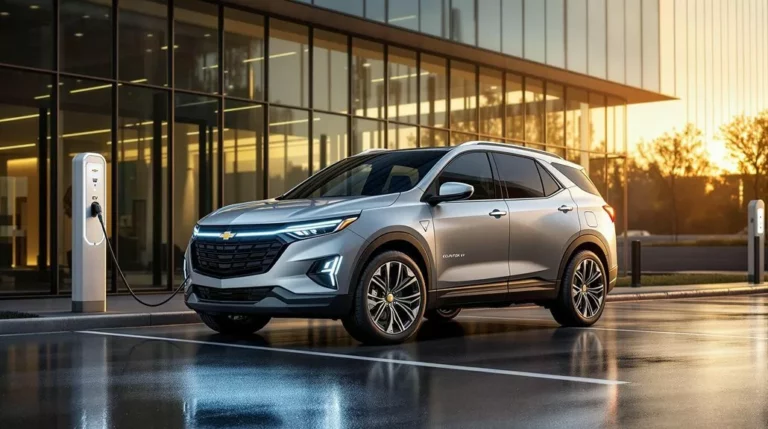

Electric vehicle road trips need careful planning before drivers hit the road. Travelers must map charging stations using apps like AAA Mobile or ChargeHub’s Trip Planner. DC fast chargers can power batteries from 20% to 80% in about 30 minutes, while Level 2 chargers take longer. Drivers save time by charging during meals or sightseeing. Maintaining steady speeds and using regenerative braking helps extend range. Comprehending these differences from gas vehicles makes trips smoother.
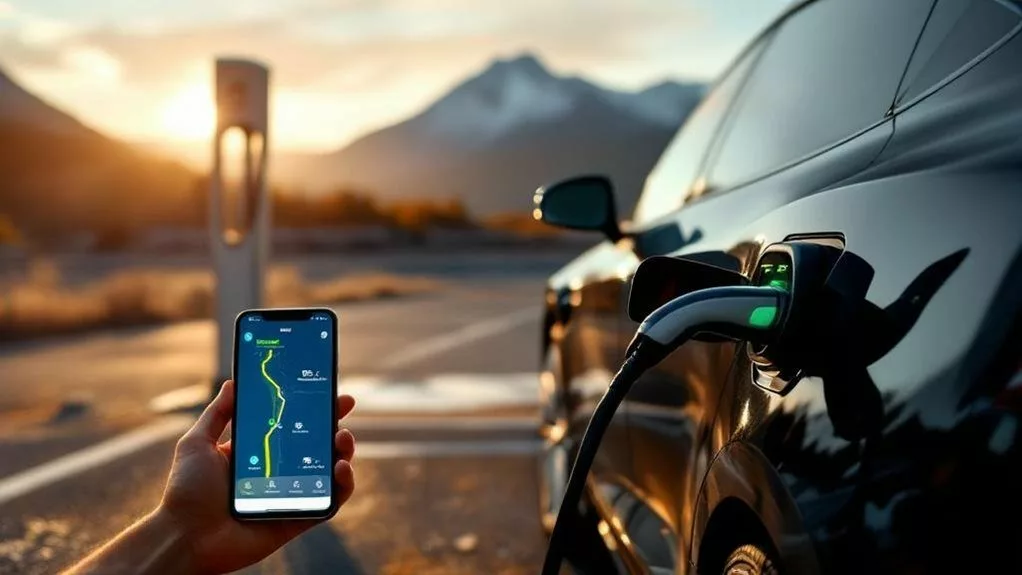
Why do electric vehicle road trips require extra planning compared to traditional gas-powered trips? Unlike gas stations found on nearly every corner, charging stations need careful mapping before departure. EV owners must consider charging speeds, station compatibility, and longer refueling times that can stretch from 30 minutes to several hours. Additionally, understanding the history of electric vehicles can provide helpful insights into their development and infrastructure. As EV technology has evolved, so has the network of charging stations, leading to an increasing number of fast chargers in strategic locations. This growing accessibility reduces some of the planning burden, yet awareness of current station availability remains critical for a successful trip. Many EV owners turn to various resources to streamline their journey, utilizing top tools for planning EV trips that provide real-time information on charging stations, availability, and user reviews. Additionally, apps that track vehicle range and suggest optimal routes can greatly enhance travel efficiency and peace of mind. By leveraging these tools, drivers can experience a smoother adventure while minimizing the uncertainties that come with charging logistics. When it comes to choosing an electric vehicle factors such as battery capacity, range, and charging network access can significantly influence the road trip experience. Ensuring that the selected vehicle aligns with travel needs helps minimize concerns during long journeys. Furthermore, familiarizing oneself with the EV’s capabilities can lead to more confident navigation and enjoyable trips.
Specialized apps like AAA Mobile App and ChargeHub’s Trip Planner have become essential tools for EV travelers. These platforms show real-time station availability and help drivers choose between Level 2 chargers and faster DC charging options. ChargeHub allows users to compare routes with fewer charging stops against more budget-friendly alternatives. Many EV drivers now explore local museums and restaurants near charging stations to make productive use of their time.
Smart driving techniques can extend an EV’s range considerably. Drivers who maintain steady speeds and use regenerative braking get more miles per charge. Keeping accessories like heaters and air conditioners to a minimum also helps. Battery temperature matters too. The ideal range sits between 70-75°F. In extreme weather, parking in shade or garages protects battery performance.
Steady speeds and regenerative braking maximize range while minimal accessory use preserves precious battery power.
Charging stops work best when paired with other activities. Many EV drivers schedule their 20-30 minute fast-charging sessions during lunch breaks or tourist stops. DC Fast Charging stations can enhance batteries from 20% to 80% in about half an hour. Weekend travelers often face longer waits at popular stations, especially during holidays.
Battery care starts before the trip begins. Most experts recommend charging to 80-90% before departure. During the expedition, drivers shouldn’t let their battery drop below 20%. Cold weather requires extra attention. Pre-heating the car while it’s still plugged in saves battery power for actual driving. At 20°F temperatures, using the heater results in a significant 41% reduction in operating range.
Preparation prevents problems on the road. Smart travelers add 10-20% extra charge at each stop for unexpected detours. They pack charging cables and network membership cards for companies like Electrify America and EVgo. Knowing where Level 2 backup stations exist provides peace of mind if fast chargers fail. Travelers should also keep a paper copy of charging station locations in case of mobile connectivity issues.
The key difference between EV and gas road trips comes down to timing and technology. While gas vehicles offer five-minute fill-ups at countless locations, EVs require strategic planning but deliver quieter, cleaner travels.
Frequently Asked Questions
Can I Charge My EV at Tesla Superchargers if I Don’t Own a Tesla?
Non-Tesla electric vehicles can now charge at many Tesla Supercharger stations.
Ford, GM, Rivian, Hyundai, Kia, and other brands have partnered with Tesla to allow access. Drivers need special connectors and Tesla’s phone app to charge.
Only newer V3 and V4 Superchargers work with non-Tesla cars. About 15,000 charging ports support this feature.
More stations will open to non-Tesla vehicles by mid-2025 as companies transition to Tesla’s charging standard.
How Much Does Public Charging Typically Cost Compared to Home Charging?
Public charging costs more than home charging.
Home charging averages 17 cents per kilowatt-hour. Public Level 2 chargers cost 20-25 cents per kilowatt-hour. DC fast chargers cost 40-60 cents per kilowatt-hour.
For a typical driver covering 13,489 miles yearly, home charging costs about $528. Public Level 2 charging costs $770-$963. DC fast charging costs $1,540-$2,300.
That’s nearly triple the home charging expense.
What Happens if My EV Runs Out of Battery on the Highway?
When an EV’s battery dies on the highway, it can’t move. Drivers must pull over safely and turn on hazard lights.
Unlike gas cars, they can’t walk to get fuel. Most call roadside assistance for a tow to the nearest charging station. Some carry portable chargers for emergencies.
EV experts say running out of power happens less than people think because cars give multiple warnings beforehand.
Are Charging Stations Wheelchair Accessible and ADA Compliant?
Federal law requires charging stations to be wheelchair accessible.
The ADA mandates 4% of parking spaces must be accessible, including at least one EV charger.
Stations must have wide spaces, clear paths to chargers, and equipment that’s reachable from wheelchairs.
Payment systems need audio and tactile features for blind users.
While most public stations comply, some employee-only fleet chargers may have exceptions.
Regular audits help guarantee accessibility standards are met.
Can Extreme Weather Conditions Affect My Ev’s Range During Road Trips?
Extreme weather conditions greatly impact electric vehicle range.
In freezing temperatures, EVs can lose up to 50% of their advertised range. Chemical reactions slow down in cold batteries, reducing power. Heating the cabin also drains the battery faster.
During hot weather above 100°F, range drops by 17-18% due to air conditioning use and battery cooling needs.
Winter conditions typically cause greater range loss than summer heat.