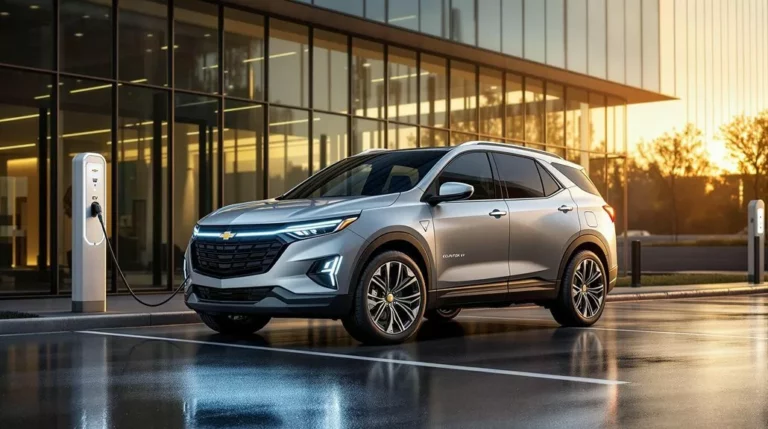

Electric vehicle batteries last longer when drivers keep charges between 20% and 80% rather than fully charging. They’re avoiding fast charging except for emergencies and parking in shade to prevent overheating. Manufacturers recommend regular software updates and monthly drives to maintain battery health. Smart charging systems monitor temperature during overnight charging sessions. These practices can extend battery life considerably beyond standard warranties.
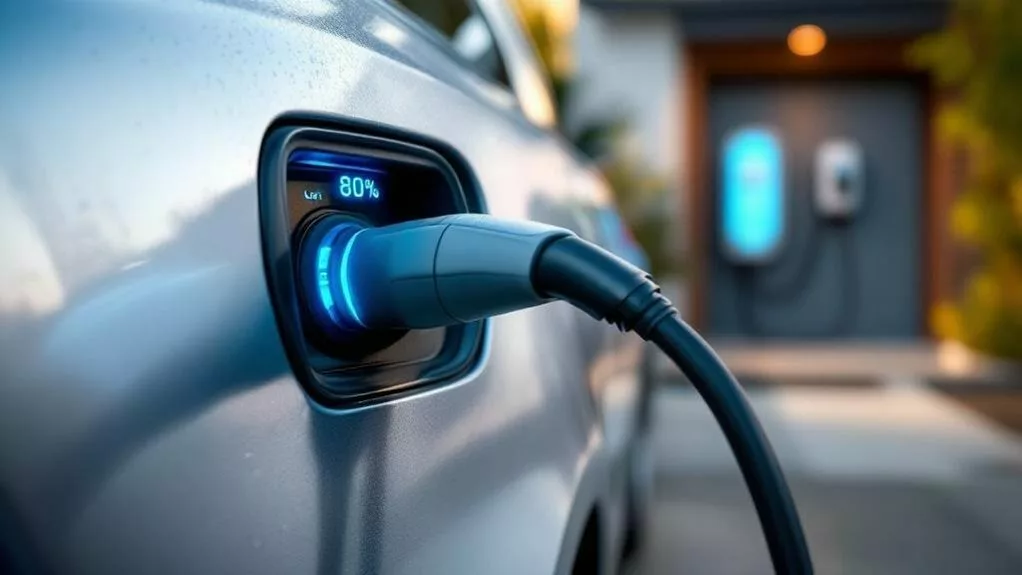
Electric vehicle owners face unique challenges regarding maintaining their car’s battery health. Unlike traditional gas-powered cars, EVs rely on lithium-ion battery packs that require specific care to maximize their lifespan. Industry experts recommend keeping batteries charged between 20% and 80% during regular use. This practice prevents stress on the battery cells and extends their operational life. Additionally, understanding the lucid battery technology advantages can further enhance the longevity and efficiency of electric vehicle batteries. By incorporating advanced features such as smart thermal management and adaptive charging, these technologies help optimize battery performance under varying conditions. As a result, owners can enjoy not only a longer lifespan but also improved driving range and overall vehicle reliability.
Fast charging stations deliver rapid current that strains battery systems. EV manufacturers suggest limiting DC fast charging to emergency situations. Level 2 charging overnight provides gentler power delivery. Many modern EVs include software settings that automatically stop charging at preset levels, making partial charging easier for owners.
Fast charging strains batteries—save it for emergencies and use Level 2 charging overnight instead.
Temperature plays a critical role in battery degradation. Hot batteries shouldn’t be charged immediately after long trips. Parking in shaded areas protects batteries from extreme heat. Liquid-cooled battery systems outperform air-cooled models in managing temperature fluctuations. Cold weather also affects battery performance, with sub-zero temperatures reducing range and efficiency. Environments with more than five days above 80°F annually show accelerated battery decline compared to temperate regions. Automated temperature control systems can drain battery power when vehicles are parked unplugged in extreme conditions.
Regular maintenance keeps EV batteries functioning properly. Manufacturers release over-the-air software updates that improve battery management systems. Vehicle manuals specify inspection schedules for battery terminals and cables. Reducing unnecessary weight in the vehicle decreases strain on the battery during operation.
Storage requires special attention when EVs sit unused. Batteries stored between 25% and 75% charge experience less degradation. Leaving batteries fully charged for extended periods causes uneven wear. Timed chargers help maintain proper charge levels during storage. Monthly drives keep electrolytes circulating properly. Electric cars should not remain parked for more than three weeks without charging to prevent high voltage battery deterioration.
Driving habits impact battery longevity. Eco modes reduce power consumption during daily commutes. Rapid acceleration and idling generate excess heat that damages battery cells. Frequent vehicle use doesn’t harm batteries when paired with proper charging practices.
Hardware choices affect long-term battery health. Smart chargers with temperature monitoring and scheduling features protect batteries. Thermal management systems provide active cooling during charging and operation. Vehicle battery management systems enforce safe charging parameters automatically.
Research shows fast charging exclusively can reduce battery life by 10% over eight years compared to overnight charging. Following manufacturer guidelines and setting permanent 80% charge limits through vehicle software helps owners maximize their battery’s lifecycle value.
Frequently Asked Questions
Can I Use a Regular Extension Cord to Charge My EV Battery?
Regular extension cords aren’t safe for charging electric vehicles. They can’t handle the high current EVs need, creating fire risks.
Standard cords may overheat, damage the car’s battery, or cause electrical shocks. Car manufacturers like Kia ban using extension cords in their manuals. Safety groups warn against it too.
EVs come with special charging cables. For emergencies only, experts say outdoor-rated 13A cords designed for EVs might work.
How Much Does It Cost to Replace an EV Battery Pack?
EV battery replacement costs range from $5,000 to $20,000.
A Nissan Leaf’s 24 kWh battery costs $4,000–$6,500. Larger batteries cost more. A Tesla Model 3’s replacement runs $18,300 total.
Third-party shops offer cheaper options. Some sell refurbished packs for less.
Battery size and car brand affect prices. Warranty coverage eliminates costs if failure happens during the coverage period.
Prices have dropped 90% since 2008.
Will Extreme Cold Permanently Damage My EV Battery?
Extreme cold doesn’t usually cause permanent damage to EV batteries, but it does create stress.
When temperatures drop below freezing, lithium plating can occur during charging. This coating builds up on battery parts and reduces capacity over time.
The cold also thickens battery fluids and increases resistance. While modern EVs have protective software that limits charging speeds in cold weather, repeated exposure speeds up normal aging.
Can I Jump-Start Another Car Using My EV Battery?
Car manufacturers don’t recommend using electric vehicles to jump-start other cars. It could damage the EV’s electrical system and void the warranty.
EVs have two battery types: a small 12-volt battery and a high-voltage pack. The 12-volt battery isn’t strong enough for jump-starting most cars. Using the high-voltage pack is dangerous and against safety rules.
Experts suggest using portable jump-starter packs instead.
Does Regenerative Braking Help Extend EV Battery Lifespan?
Regenerative braking does help extend EV battery lifespan. This system captures energy when drivers slow down, reducing wear on batteries.
Studies show it improves driving range by 8-25% and cuts down on rapid charging needs. Tesla owners report only 5% battery capacity loss after 50,000 miles.
The technology reduces heat buildup and avoids deep discharge cycles. Real-world data shows batteries last up to 38% longer than lab predictions.