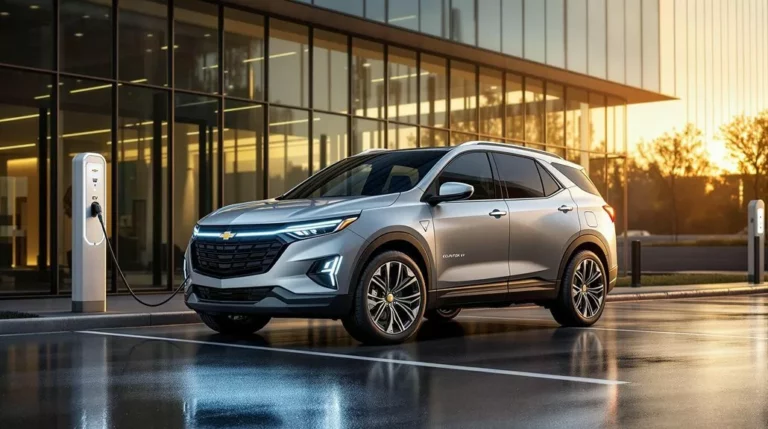

Used electric car sales surged 32% in May 2025, with prices dropping 40% since 2019. The average used EV costs $35,874, and nearly 40% sell under $30,000. Tesla dominates half the market, though other brands are growing. However, EVs lose 51% of their value in three years versus 40% for gas cars over five years. Battery health and charging access remain major concerns for buyers examining these vehicles. As the market evolves, electric car resale value insights suggest that potential buyers are becoming increasingly savvy about long-term costs and depreciation trends. Additionally, improvements in battery technology and charging infrastructure could positively influence future resale values. This shift may encourage more consumers to consider purchasing used electric vehicles, counteracting some of the depreciation concerns associated with their initial investment.
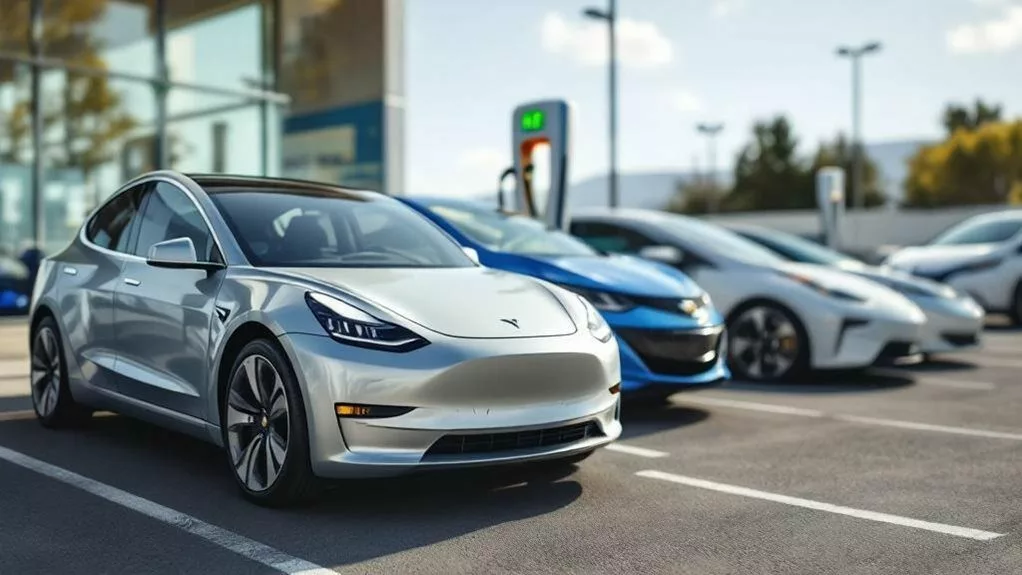
Why are more Americans shopping for used electric cars? The numbers tell a clear story. Used electric vehicle sales jumped 32.1% in May 2025 compared to last year. In April, sales surged even more dramatically at 60.6%, hitting a record 38,763 units sold.
The main draw is affordability. Used EV prices dropped 40% between 2019 and 2022. Today’s average used electric car costs $35,874, with nearly 40% priced under $30,000. That’s considerably cheaper than new EVs, making them accessible to budget-conscious buyers who couldn’t afford them before. Notably, 41% of used EVs sold were priced below $25,000.
Tesla dominates this market, claiming about half of all used EV sales. The Model 3 and Model Y rank as top sellers, followed by the Chevrolet Bolt EV. Other brands like Ford and Hyundai are gaining ground as more models become available.
Consumer interest has exploded nationwide. Search volume for electric cars on carmax.com doubled since 2022. What started in early-adoption states like California has spread across the country. Urban areas typically have more inventory, but EVs are showing up in more regions than ever.
The market isn’t without challenges. Prices fluctuate monthly – April saw a 2.8% drop. Tesla’s aggressive new car price cuts affect used values too, accelerating depreciation. However, luxury EVs tend to hold their value better than non-luxury models. Electric vehicles experience rapid depreciation, losing 51.1% of their value in three years compared to 40.1% for gasoline cars over five years.
These price swings stem from several factors. More newer model-year EVs are entering the used market. New EV inventory sits at 99 days’ supply, pushing dealers to adjust prices. Brands like Ford, Audi, and VW are managing their inventory levels differently.
Despite volatility, the used EV market has stabilized compared to 2021’s wild swings. Prices now sit near 2021 levels after years of turbulence. Used EV inventory moves quickly, with an average 40 days’ supply compared to 111 days for new EVs.
With more models available and prices becoming competitive with gas cars, the used electric vehicle market shows no signs of slowing down. The combination of lower prices, growing inventory, and expanding regional availability continues attracting new buyers to electric transportation. As consumers become increasingly aware of the benefits of electric vehicles, including lower running costs and reduced environmental impact, the interest in EVs shows no signs of waning. This shift is further supported by the evolution of electric vehicles timeline, highlighting significant advancements in battery technology and charging infrastructure. Additionally, government incentives and policies are encouraging more people to make the switch, contributing to the growth of the market. As the market matures, a global electric vehicle adoption comparison reveals that countries with strong policies and incentives see a faster transition to electric mobility. This trend underscores the importance of governmental support in driving consumer interest and expanding infrastructure to facilitate EV use. With more advancements on the horizon, the future of electric vehicles looks promising as they become an integral part of the sustainable transportation landscape.
Frequently Asked Questions
Can I Charge a Used Electric Car With Solar Panels at Home?
Homeowners can charge any electric car with solar panels, whether it’s new or used.
The system needs 8-12 solar panels, an inverter to convert energy, and a Level 2 charger for faster charging. Many people add battery storage to charge at night.
The setup works with all electric vehicles, including popular brands like Tesla and Hyundai.
Used electric cars don’t require different equipment than new ones.
How Do Insurance Costs Compare Between Used Electric and Gas Vehicles?
Insurance costs for used electric cars typically match or beat gas vehicles.
Used EVs often cost less to insure than new ones because they’re worth less money.
Recent data shows annual premiums average $1,607 for electric cars versus $1,606 for gas cars.
Some used EVs from brands like Ford cost the same to insure as their gas versions.
Teslas remain the most expensive electric cars to insure.
Will Extreme Cold Weather Permanently Damage a Used Ev’s Battery?
Extreme cold doesn’t permanently damage electric vehicle batteries.
Cold weather temporarily reduces range by up to 30% because low temperatures slow down chemical reactions inside the battery. Once temperatures rise, the battery returns to normal performance.
The cold thickens the battery’s liquid electrolyte, making it harder for electricity to flow. However, this effect is reversible.
Heat above 104°F actually causes more permanent damage than cold weather does.
Can I Upgrade an Older Ev’s Infotainment System to Newer Software?
Older electric vehicles can sometimes get infotainment upgrades through software updates sent wirelessly by manufacturers.
Tesla owners of pre-2018 models can pay $1,500-$2,000 for hardware replacements, though they’ll lose AM/FM radio.
Some EVs like Lucid Air added Android Auto through free updates.
Third-party dash kits offer another option.
However, many upgrades depend on the car’s original hardware and manufacturer support, which varies by brand and model year.
Do Used Electric Cars Qualify for Any Government Tax Credits or Rebates?
Used electric cars can qualify for federal tax credits of up to $4,000.
The vehicle must cost $25,000 or less and be at least two years old. Buyers’ income can’t exceed certain limits. The car must be purchased from a registered dealer.
This credit program expires on September 30, 2025. After that date, Congress has approved replacing it with a car loan interest tax deduction instead.