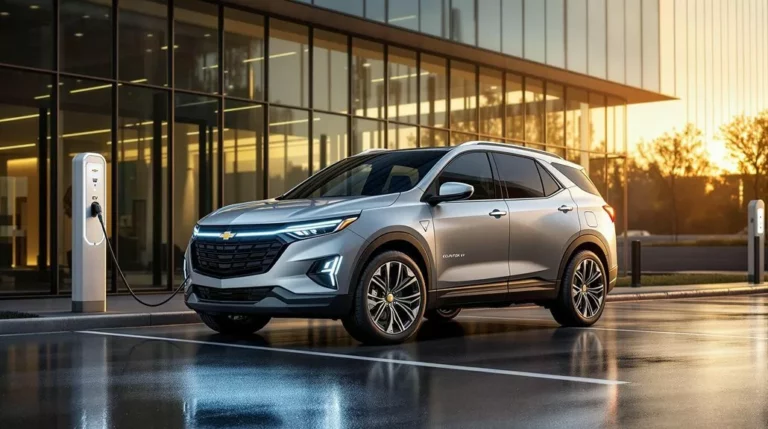

Electric vehicle batteries lose capacity through calendar aging and temperature extremes. Heat damages battery components while cold slows ion transport. Batteries typically degrade 1.8% yearly, maintaining 70-80% capacity after 15-20 years. Fast charging generates harmful heat compared to slower charging. Battery management systems prevent overcharging and regulate temperature. Keeping charge between 20-80% extends battery life. Proper charging habits and thermal management greatly impact how long EV batteries last.
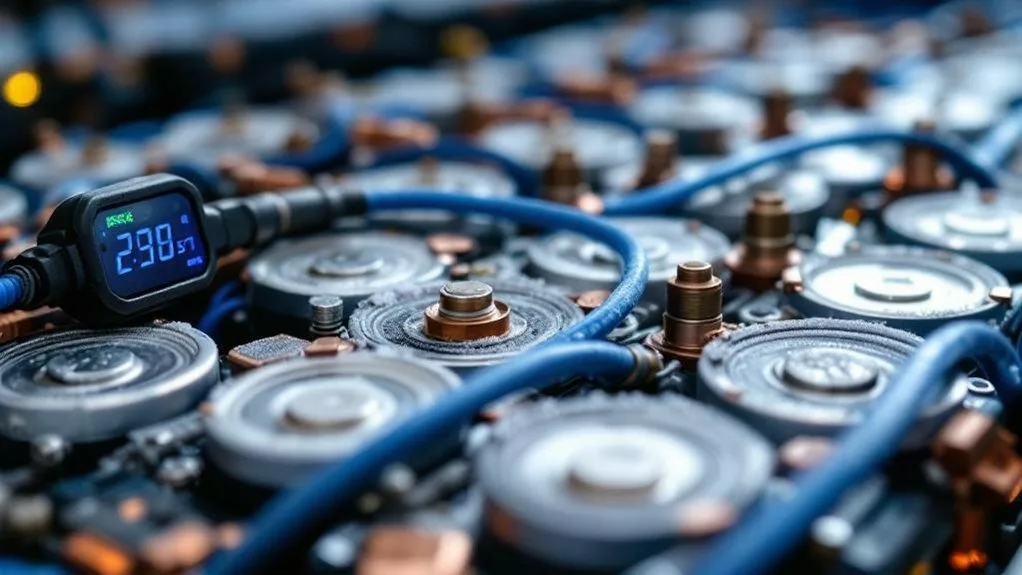
Time is the enemy of electric vehicle batteries. Even when an EV sits unused in a garage, its battery slowly loses capacity through calendar aging. This natural process happens because of oxidation and material fatigue inside the battery cells. This degradation is an important consideration that has shaped the history of electric vehicles, as manufacturers strive to find ways to mitigate these effects and extend battery life. Advanced technologies, such as improved cooling systems and smarter battery management, are being developed to counteract these challenges. As the industry evolves, understanding how to preserve battery efficiency remains a top priority for enhancing the overall sustainability and reliability of electric vehicles.
Most EV batteries degrade at about 1.8% per year under normal conditions. Some older studies found rates up to 2.3% annually. At these rates, drivers can expect their batteries to last 15 to 20 years while keeping 70% to 80% of their original capacity. The first 50,000 miles typically see faster degradation before the rate slows down.
EV batteries typically degrade 1.8% yearly, lasting 15-20 years while maintaining 70-80% capacity.
Heat poses the biggest threat to battery health. High temperatures change the atomic structure of cathodes and break down binders that help ions move through the battery. When binders fail, they block pathways and increase resistance. That’s why EVs have thermal management systems that cool batteries during charging and driving. Models with liquid cooling show significantly better longevity than those without advanced thermal management.
Charging habits affect how long batteries last. Keeping the charge between 20% and 80% for daily use extends battery life. Fast DC charging creates more heat and stress than slower AC charging. Storing an EV at 100% charge speeds up oxidation reactions that damage the battery.
Cold weather creates different problems. Low temperatures slow down ion transport and reduce efficiency. While cold doesn’t damage batteries as quickly as heat, it still contributes to aging over time. The formation of a solid electrolyte interface layer during initial use causes some capacity loss but actually protects the battery and extends its lifespan.
Surprisingly, aggressive driving doesn’t hurt batteries as much as expected. However, activities like towing or climbing hills put extra strain on the system. Deep discharges rarely happen because battery management systems prevent them.
These management systems do more than prevent overcharging. They balance cells across the battery pack, regulate temperature, and adjust charging speeds. Software updates can change charging algorithms to improve longevity.
For low-mileage EVs, time matters more than driving. Calendar aging dominates when cars sit idle. High-mileage commercial vehicles face more cycle aging from constant charging and discharging. Real-world use typically combines both types of aging, making proper care essential for maximizing battery life. When parked, onboard electronics like clocks, alarms, and locking systems continue drawing power from the main battery pack.
Frequently Asked Questions
How Much Does Battery Replacement Cost for Different EV Models?
EV battery replacement costs vary widely by model.
The Nissan Leaf‘s smaller 24 kWh battery costs $4,000-$6,500, while the 62 kWh version reaches $15,000.
Tesla Model S replacements cost tens of thousands.
Chevrolet EVs range from $6,500-$20,000.
The Toyota Prius hybrid costs about $2,700.
Labor adds $1,000-$1,500.
Costs depend on battery size, with 75 kWh packs around $3,375 and 100 kWh packs costing $4,500-$5,000.
Will My EV Warranty Cover Battery Degradation Issues?
Most EV warranties do cover battery degradation, but only when capacity drops below specific thresholds.
Major manufacturers like Tesla, Nissan, and Volkswagen replace batteries that fall below 60-70% of original capacity. Ford guarantees at least 70% capacity retention.
However, warranties don’t cover gradual degradation from normal use. They also become void if owners use non-approved chargers, skip software updates, or make unauthorized modifications.
Can I Upgrade My EV Battery to Newer Technology?
EV owners can upgrade their batteries to newer technology in some cases. Certain manufacturers offer approved upgrades for specific models. These upgrades can enhance performance, increase range, and improve the overall efficiency of the vehicle. As advancements in EV battery technology continue to emerge, owners may find themselves with more options for enhancing their driving experience. Staying informed about these developments can help maximize the potential of their electric vehicles. As the landscape of renewable energy and electric vehicles evolves, integration between the two becomes increasingly seamless. This synergy not only promotes a more sustainable form of transportation but also opens up new avenues for innovation in battery storage and charging solutions. By harnessing renewable energy, EV owners can further enhance their vehicle’s efficiency and reduce their carbon footprint, leading to a more eco-friendly driving experience.
Third-party retrofit kits exist for vehicles like older Nissan Leafs. These upgrades require professional installation and special equipment. They may include CAN-bridge devices and updated battery management systems.
Costs vary widely. Some upgrades void warranties.
Newer lithium iron phosphate batteries offer improved sustainability over older designs.
How Do Extreme Weather Conditions Affect Battery Degradation Rates?
Extreme weather hurts electric vehicle batteries differently.
Hot temperatures cause permanent damage by speeding up chemical reactions inside the battery. Cars in Arizona lose battery capacity faster than those in Norway.
Cold weather temporarily reduces power and charging speed until the battery warms up.
Fast charging in heat makes damage worse.
Parking in shade and avoiding full charges can help batteries last longer.
Should I Charge to 100% for Long Road Trips?
EV experts say charging to 100% makes sense for long road trips.
Drivers need maximum range when charging stations are far apart. Mountain roads and cold weather drain batteries faster, making full charges more important.
However, regular 100% charging speeds up battery wear. Most manufacturers suggest using full charges only for trips.
Daily driving works best with 80% charging to protect battery life.