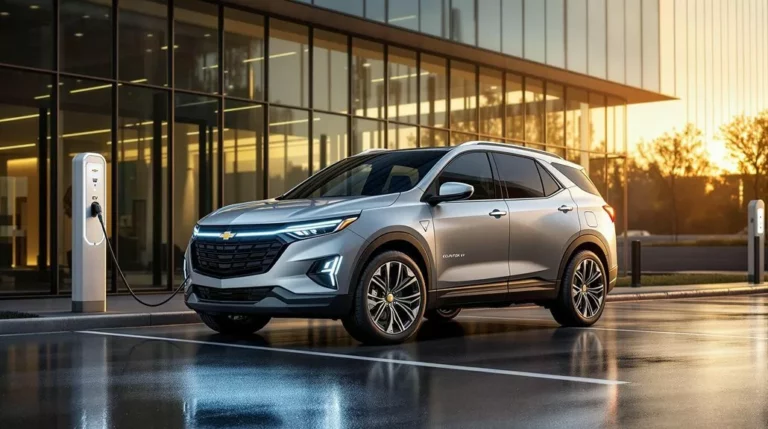

Electric vehicles catch fire far less often than gas-powered cars. EVs experience just 25 fires per 100,000 vehicles, while gas cars have 1,530 fires per 100,000. That’s 61 times fewer fires in EVs. However, EV fires burn differently. They’re harder to put out and release toxic chemicals. Firefighters need special training and equipment to handle them. Car makers are adding safety features like fire-resistant battery casings to address these unique challenges.
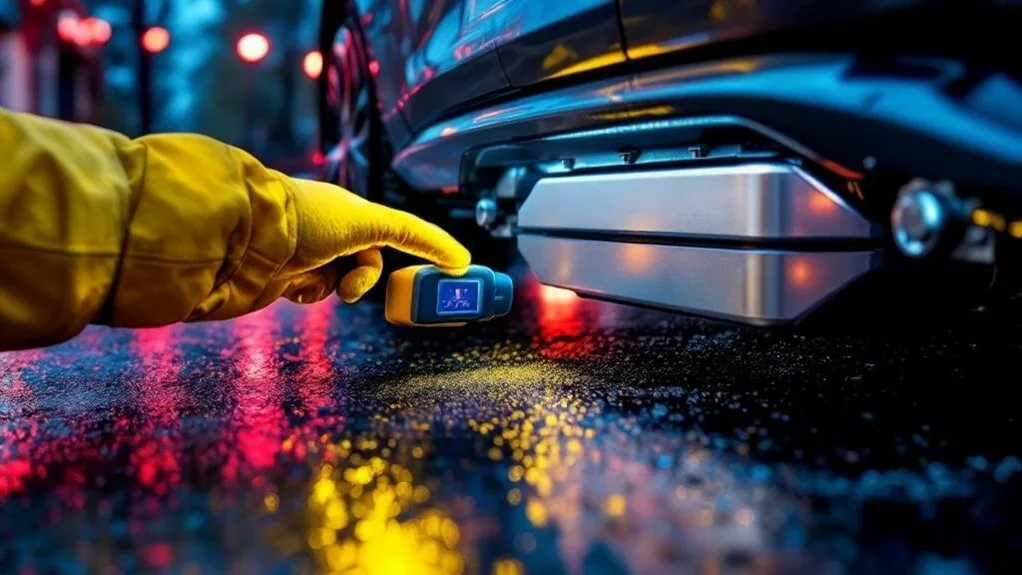
While electric vehicles have gained popularity as an eco-friendly alternative to gas-powered cars, concerns about battery fires have sparked debates about their safety. Recent data shows these worries might be overblown. Electric vehicles catch fire far less often than traditional cars. Advancements in the evolution of electric vehicle technology have significantly improved battery safety and efficiency. Enhanced cooling systems and advanced battery management software are among the innovations that have contributed to a reduction in fire incidents. As manufacturers continue to prioritize safety, public confidence in electric vehicles is likely to grow.
Statistics reveal that EVs experience only 25 fires per 100,000 vehicles. Gas-powered cars have 1,530 fires per 100,000 vehicles. That’s 61 times more fires in regular cars than in electric ones. Hybrids perform even worse, with 3,475 fires per 100,000 vehicles.
Electric vehicles catch fire 61 times less often than gas-powered cars, with only 25 fires per 100,000 vehicles.
Swedish research supports these findings. Among 611,000 electric cars, only 23 caught fire. That’s 0.004% compared to 0.08% for gas vehicles. Similar low rates appear in Norway, Australia, and the United States, where 2.4 million EVs were registered in 2022. In addition to their lower fire risk, electric vehicles are becoming increasingly popular for their efficiency and environmental benefits. However, concerns about electric car theft statistics are also emerging, as the rising demand leads to more targeted thefts. Despite this, the overall safety and reliability of electric cars remain a compelling reason for consumers to make the switch from traditional gas vehicles.
Electric vehicle fires do behave differently than regular car fires. Lithium-ion batteries take longer to cool down and can reignite hours later. They release over 100 toxic chemicals, including hydrogen cyanide and heavy metals. Water doesn’t work well on these fires, so firefighters need special equipment and training. Thermal runaway creates a chain reaction that spreads fire from one battery cell to another. Serious crashes can damage battery compartments, increasing the risk of short circuits that trigger these dangerous reactions.
Media coverage makes EV fires seem more common than they are. When an electric car catches fire, it often makes headlines. The dramatic visuals of high-intensity flames attract attention. Meanwhile, thousands of gas car fires happen without much notice. Older, poorly maintained gas vehicles cause most highway fires.
Safety experts are developing better ways to handle EV fires. Firefighters now receive specialized training for battery fires. They use continuous water application and thermal barriers to prevent reignition. Car manufacturers have started installing fire-resistant battery casings and early detection systems.
EV batteries typically last eight to twelve years before needing replacement. During this time, they’re statistically safer than gas tanks. The toxic chemicals released during fires remain a concern for firefighters and the environment. Chemical runoff can contaminate water and soil. Rain and humidity make these fires harder to control.
Despite the challenges, data consistently shows electric vehicles catch fire less often than traditional cars. As technology improves and safety protocols develop, these rates will likely drop even further. Moreover, advances in battery technology are making electric vehicles not only safer but also more versatile. The growing market for electric vehicle towing capacity indicates that these cars are increasingly able to meet the demands of everyday consumers while maintaining high safety standards. As innovations continue, the perception surrounding electric vehicles will likely shift even more positively.
Frequently Asked Questions
How Much Does EV Fire Damage Typically Cost Insurance Companies?
Insurance companies pay about $7,000 on average for EV fire damage claims.
That’s higher than other types of claims like theft or vandalism. When EVs catch fire, they’re harder to put out and fix. The special batteries make repairs more expensive.
In serious crashes, insurers pay around $16,000 for total losses.
EV fires can also damage nearby property, which adds more costs for insurance companies.
Can I Retrofit My Older EV With Newer Fire Safety Features?
Retrofitting older electric vehicles with internal fire safety features isn’t recommended by manufacturers.
Accessing battery systems can void warranties and create explosion risks.
However, external options exist. Owners can install fire barriers around parking spots, add cooling sprays under vehicles, and upgrade charging stations with heat sensors.
Companies now sell certified fire blankets and barriers designed for older EVs.
These external solutions don’t require modifying the car’s electrical systems.
Are EV Fires Covered Under Standard Auto Insurance Policies?
Standard auto insurance policies typically cover electric vehicle fires the same way they cover gas car fires.
Insurance companies don’t treat EVs differently for basic coverage. If a battery catches fire, extensive coverage usually pays for repairs.
However, the cause matters. Battery fires from accidents are covered, but fires from home wiring problems might not be.
Owners should check their policy limits match their EV’s value.
Which Specific EV Models Have the Best Fire Safety Ratings?
The BMW iX, Tesla Model S, Model 3, Model X, and Model Y lead in fire safety ratings.
The Volvo EX90 and Mercedes-Benz EQS also rank among 2025’s safest electric cars.
These models earned top marks for their reinforced battery protection and advanced cooling systems.
Tesla’s vehicles scored the highest U.S. safety ratings.
Third-party evaluations confirm these brands excel at preventing battery fires through smart design and monitoring technology.
Do Extreme Temperatures Increase EV Fire Risk During Charging?
Extreme temperatures do increase electric vehicle fire risk during charging. High heat stresses battery cooling systems and can trigger thermal runaway.
Over one-third of EV fires happen while charging or within an hour after unplugging. Hot weather makes batteries work harder to stay cool.
Cars charging in direct sunlight face extra danger. Poor ventilation in garages makes the problem worse.
Heat speeds up battery damage that leads to fires.