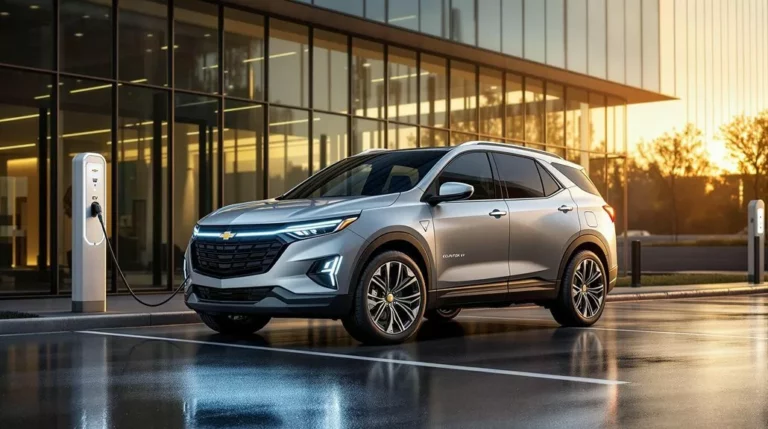

Electric cars for families now range from the budget-friendly Hyundai Inster at $20,000 to spacious seven-seaters like the Kia EV9. The Skoda Elroq and Kia EV3 offer middle-ground options with impressive ranges up to 375 miles. Larger families can choose the Hyundai IONIQ 9 with 163 cubic feet of passenger space. These models feature quick-charging capabilities, cold-weather efficiency systems, and improved safety features. Each category offers distinct advantages for different family needs. Additionally, many of these vehicles come equipped with top electric car safety features, ensuring peace of mind during family travels. With advanced driver assistance systems and robust crash test ratings, they prioritize the safety of all occupants. As electric vehicle technology continues to evolve, families can expect even more innovations that enhance both comfort and security.
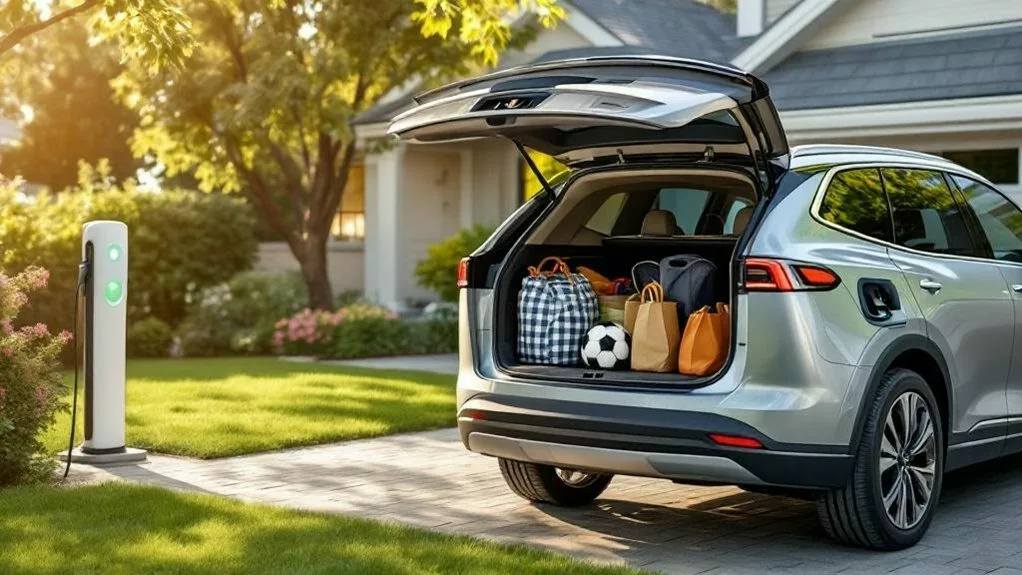
As electric cars become more popular, families are finding better options that fit their needs and budgets. Car makers now offer electric vehicles with more space, longer driving ranges, and lower prices than before. These advancements are a testament to the evolution of electric vehicle technology, making it increasingly appealing for families seeking eco-friendly alternatives. Additionally, improved charging infrastructure and battery efficiency are addressing common concerns about range anxiety. As a result, more families are embracing electric cars as viable long-term solutions for their transportation needs. Moreover, families are finding a wealth of resources available to help them make informed decisions, such as articles and guides on choosing an electric vehicle tips. These resources provide valuable insights on factors like battery life, charging options, and vehicle maintenance, empowering families to select the best electric car for their lifestyle. With this knowledge at their fingertips, more families are confidently making the switch to electric, contributing to a greener future.
The Hyundai Inster stands out as the cheapest option at £20,000. It travels 203 to 229 miles on one charge and includes a 10.25-inch display screen. For families needing more room, the Skoda Elroq costs around £30,000 and drives up to 360 miles. It offers nearly the same interior space as larger electric cars.
Kia’s EV3 combines affordability with impressive range. It can travel up to 375 miles and shares technology with more expensive Kia models. The base version goes 270 miles and includes premium interior features like USB-C ports and advanced entertainment systems.
Large families can choose between two seven-seat electric SUVs. The Kia EV9 offers 349 miles of range and comfortable third-row seating. Its performance GT version, coming in 2025, will accelerate from 0 to 60 mph in 4.3 seconds.
The Hyundai IONIQ 9 provides even more passenger space at 163.4 cubic feet. Both vehicles will work with Tesla Superchargers starting in 2025. The Hyundai Ioniq 5 offers excellent towing capacity of up to 3,700 lbs for families who need to haul recreational equipment or trailers.
These family-focused electric cars charge quickly thanks to 800-volt platforms. The technology allows drivers to add significant range during short stops. Many models also include heat pumps, which help maintain battery efficiency during cold weather.
Safety remains a priority across all models. The seven-seaters include special features for third-row passengers. Smaller models like the Inster come with keyless entry and other security systems typically found in more expensive cars.
Price differences reflect various features and sizes. The Inster targets budget-conscious buyers, while mid-range options like the Elroq and EV3 balance cost with capability. The Ford Mustang Mach-E and Hyundai Ioniq 5 offer versatile storage solutions for growing families.
The EV9 starts at £65,000 in the UK and $54,900 in the US. Hyundai will build the IONIQ 9 in America with specifications matching the EV9. For luxury-minded families, the Cadillac Vistiq delivers exceptional performance with its 3.7-second acceleration while maintaining practicality with 43 cubic feet of cargo space.
These developments show how electric car makers are creating more choices for families with different needs and budgets. The Volkswagen ID. Buzz combines the practicality of a van with stylish design and twin sliding doors, making it ideal for active families who need significant cargo and passenger space.
Frequently Asked Questions
How Much Does It Cost to Install a Home Charging Station?
Installing a home charging station typically costs $965.
Basic setups run $300-$700, while complex installations reach $2,000-$2,500.
Level 2 chargers, which charge faster than standard outlets, cost $400-$1,200 for equipment.
Labor adds $400-$1,300.
Permits range from $50-$300.
If the home’s electrical panel needs upgrading, that’s another $1,000-$3,000.
Government rebates can reduce costs by 10-30%.
Smart charging features add $100-$300.
Can Electric Cars Be Safely Charged in the Rain?
Electric cars can be charged safely in the rain. EV charging equipment meets strict safety standards and features waterproof connectors.
Outdoor charging stations have IP67 ratings that protect against water. The equipment’s tested with fire hoses to guarantee it stays watertight.
Built-in safety systems automatically shut off power if there’s a problem. However, drivers shouldn’t charge during lightning storms or in flooded areas with standing water.
Do Electric Cars Work Well in Extreme Cold Weather?
Electric cars work in extreme cold, but they don’t perform as well as in warm weather. Tests show EVs lose 25-30% of their driving range when temperatures drop below freezing.
The battery doesn’t fail—cars still start and run safely. Most energy goes to heating the cabin, not powering the motor. Some models handle cold better than others.
The Hyundai Kona Electric keeps 91% of its range, while others lose more.
How Long Do Electric Car Batteries Typically Last?
Electric car batteries typically last 15-20 years under normal conditions.
Most EVs keep 70-80% of their battery capacity after driving 100,000-150,000 miles. Batteries lose about 2% capacity yearly, but this slows down over time.
Tesla models show just 5% degradation after 50,000 miles. Real-world driving patterns can extend battery life 40% longer than lab tests predict.
Most manufacturers offer 8-12 year battery warranties.
Are There Enough Public Charging Stations for Road Trips?
The U.S. has over 55,580 fast-charging ports across 10,839 stations. Tesla runs 6,500 locations while ChargePoint leads with 38,000 stations.
Major highways have good coverage, but rural areas still lack stations. City chargers hit 40% usage during busy times. Most trips work fine, though drivers might wait at popular spots.
The network’s grown by 3,667 ports since late 2024, making road trips more practical than before.