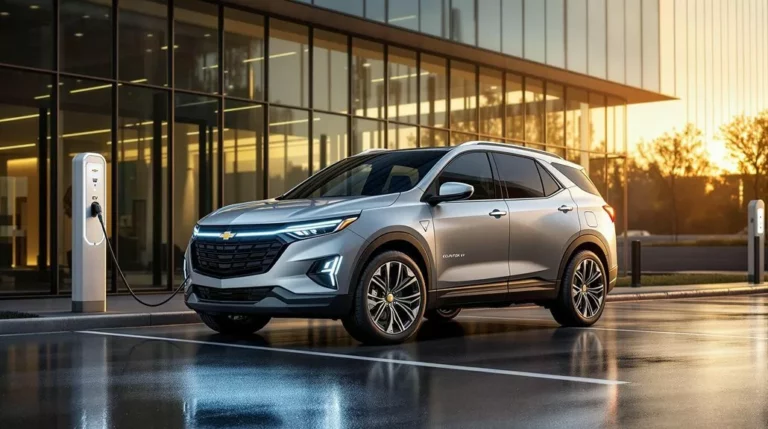

Electric vehicles run quietly because they don’t have combustion engines. Without engine noise, drivers notice road and wind sounds more. Engineers use special motor mounts and sound-absorbing materials around tires to reduce vibrations. Some EVs feature Active Noise Control technology that cancels unwanted sounds using microphones and computers. However, their silence creates pedestrian safety concerns, so governments require artificial warning sounds at low speeds. Cities expect quieter streets as more people switch to electric vehicles.
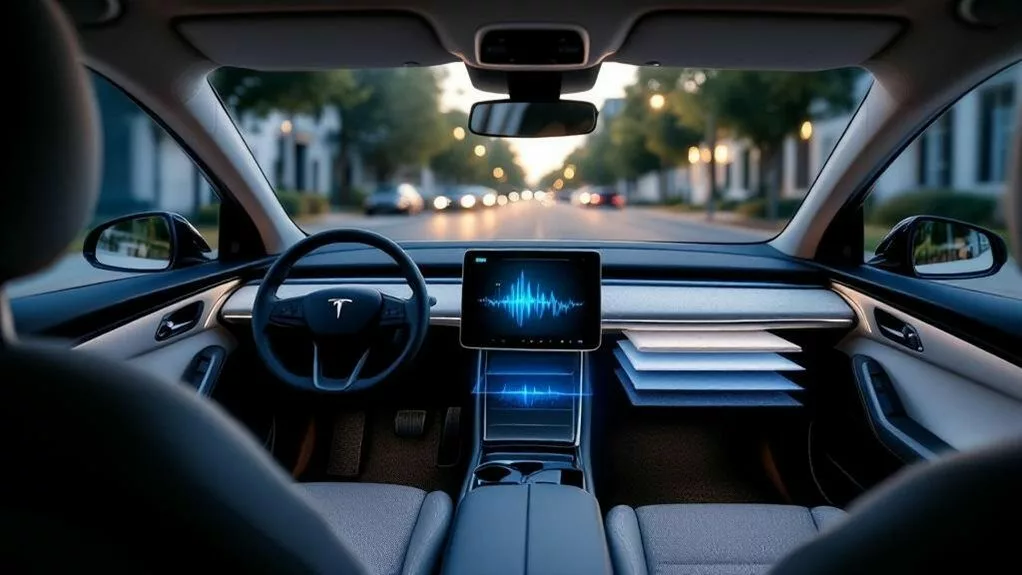
While electric vehicles have become famous for their whisper-quiet operation, they’ve created a unique challenge that automakers didn’t expect. Without engine noise, other sounds like road and wind become more noticeable to drivers and passengers. As a result, manufacturers are now exploring ways to enhance the auditory experience inside the cabin while maintaining the serene environment that electric vehicles offer. Furthermore, the evolution of electric vehicle technology has prompted some companies to incorporate artificial sound systems, strategically designing audio outputs to provide safety notifications and improve the overall driving experience. This shift not only addresses the concerns of noise perception but also opens up new avenues for personalized soundscapes in vehicles. As the market for electric vehicles continues to evolve, manufacturers are also integrating advanced electric vehicle comfort features that enhance both relaxation and enjoyment during travel. Innovative systems that adjust ambient lighting and climate controls work in harmony with these new audio implementations, creating a holistic driving environment. This adaptability not only caters to individual preferences but also sets a new standard for comfort in the increasingly competitive landscape of electric mobility.
Engineers have developed several ways to make EVs even quieter. They’ve improved motor mounts that connect the electric motor to the car’s frame. These special mounts reduce vibrations that travel through the vehicle’s structure. Companies use computer analysis to find where noise travels through the car, focusing on connection points like the subframe. Engineers discovered that motor whine becomes particularly noticeable in the cabin at speeds up to 20 km/h, requiring careful mount optimization.
Special motor mounts and computer analysis help engineers reduce vibrations and pinpoint noise pathways in electric vehicles.
Road noise presents a bigger problem in EVs than in regular cars. Drivers notice road sounds at just 80 kilometers per hour, compared to 100 in gas-powered vehicles. Engineers add special sound-absorbing materials around tire areas and wheel wells. They’ve also created multi-layer soundproofing systems that target specific vibration frequencies from EV tires.
New technology called Road-Noise Active Noise Control uses microphones and computers to cancel out unwanted sounds. It’s like noise-canceling headphones for your car. These systems can reduce cabin noise by 3 decibels and work across a wide range of frequencies. The technology processes noise analysis in just 0.002 seconds, faster than sound can reach passengers, allowing real-time noise cancellation. Some EVs now have sensors in the wheels that detect vibrations before they reach passengers.
The silence of EVs created a safety concern for pedestrians who can’t hear them coming. Governments now require EVs to make artificial sounds at low speeds. Automakers let drivers choose different alert sounds, and smart systems adjust volume based on speed and location. Engineers work to balance safety needs with keeping neighborhoods quiet.
This technology affects entire cities. As more EVs replace gas cars, urban areas become quieter. Studies show this reduction in traffic noise helps lower stress and improves public health. Fleet vehicles switching to electric power contribute considerably to this change. In addition to the environmental benefits, the transition to electric vehicles fosters a sense of community as people engage more with their surroundings. This shift is coupled with advancements in charging infrastructure, aiding in overcoming range anxiety in EVs, which encourages more drivers to make the switch. As a result, cities can experience not only a decrease in noise pollution but also an enhanced quality of life for their residents.
The shift to EVs represents more than just cleaner air. It’s changing how we experience driving and living in cities. As engineers continue improving noise reduction technology, future EVs will offer even quieter rides while maintaining safety standards for everyone on the road.
Frequently Asked Questions
Do EVS Make Noise at Low Speeds for Pedestrian Safety?
Yes, electric vehicles make artificial noise at low speeds for pedestrian safety.
Since 2019, new EVs and hybrids must produce warning sounds when traveling below 12 mph. The law requires these vehicles to emit at least 56 decibels – about as loud as normal conversation.
This helps blind pedestrians and others hear approaching electric cars, which are naturally quiet at slow speeds. The sounds activate automatically during reverse or low-speed driving.
How Much Quieter Are EVS Compared to Gas Vehicles in Decibels?
Electric vehicles run about 4-5 decibels quieter than gas cars at low speeds under 18 mph.
That’s roughly the difference between a busy classroom and a quiet office.
EVs must make at least 56 decibels of sound for safety, while gas vehicles average 65 decibels.
At higher speeds above 18 mph, both vehicle types sound similar because tire noise becomes the main source of sound.
Can I Add Custom Sounds to My Electric Vehicle?
Electric vehicle owners can’t legally change their car’s required safety sounds.
However, aftermarket companies now sell sound systems that create engine noises inside the cabin. These systems use special speakers and computer processors to simulate gas engine sounds. They connect to the car’s electrical system and cost several hundred dollars.
Some work through smartphone apps. The sounds only play inside the car, not outside.
Are There Legal Noise Requirements for Electric Vehicles?
Yes, many countries now require electric vehicles to make noise.
Australia’s new law starts in 2025. New EVs must emit sounds at 50 decibels when traveling under 20 kilometers per hour. That’s about as loud as a normal conversation.
The US and Europe already have similar rules. Their EVs must produce between 56 and 75 decibels.
These artificial sounds help pedestrians hear quiet electric cars coming. Older EVs don’t need to add sounds.
Do EVS Need Special Quiet Tires to Maximize Noise Reduction?
EVs don’t need special quiet tires, but manufacturers now make tires designed for electric cars.
These tires use foam inside to reduce road noise by 20%. They’re built stronger to handle heavy batteries. Companies like Michelin and Goodyear add sound-dampening materials.
Regular tires work fine on EVs, but special EV tires make rides quieter. They also help cars travel farther on one charge.