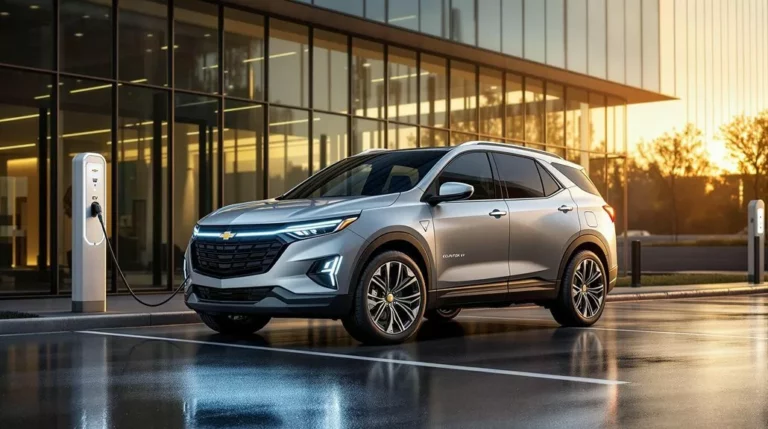

Electric vehicle owners can choose from several trip planning apps to make long excursions easier. A Better Route Planner tops the list with its precise calculations that consider battery level, weather, and terrain. Zap-Map works best in Europe, showing which chargers are occupied. Tesla’s built-in planner suits Tesla drivers, while Google Maps offers basic charging station searches. ChargeHub focuses on North America with real-time availability updates. Each app offers unique features that help drivers find the right charging stops.
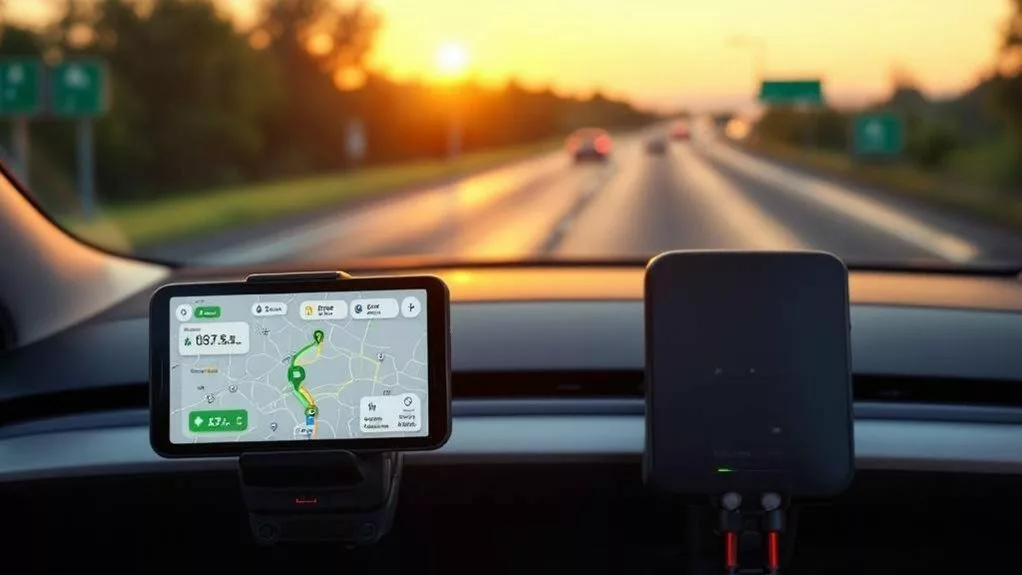
As electric vehicles become more common on roads, drivers need specialized tools to plan their trips around charging stops. Several apps now help EV owners find charging stations and calculate the best routes for their excursions. These tools are essential for maximizing efficiency and minimizing range anxiety, allowing drivers to fully enjoy their journeys. Additionally, as the history of electric vehicles continues to evolve, the infrastructure supporting them is expanding rapidly, with an increasing number of fast-charging stations being installed in urban and rural areas alike. This growth not only enhances the convenience of owning an EV but also encourages more people to consider transitioning to electric mobility. Furthermore, as the electric vehicle landscape shifts, enthusiasts and potential buyers are eager to participate in upcoming showcases and expos. Attending mustsee ev events in 2025 will provide valuable insights into the latest innovations and trends in the EV market, further promoting awareness and interest. Such events are pivotal for fostering a community of passionate individuals committed to sustainable transportation. In addition to planning for charging stops, there are several electric vehicle road trip essentials that every driver should consider. These may include packing snacks, ensuring the vehicle’s software is updated, and having access to apps that provide real-time data on charging station availability. With the right preparation and resources, EV owners can embark on their adventures with confidence and ease, truly embracing the freedom of electric travel.
ABRP, or A Better Route Planner, stands out for its precise calculations. The app automatically figures out where drivers should stop to charge based on their car model and battery level. It considers temperature, road conditions, and hills to predict how far the vehicle can travel. Users can access ABRP through their web browser, iPhone, or Android device. The app updates routes in real-time and picks faster charging stations over Tesla’s own network. With a 4.5-star rating from over 3,000 users, ABRP has become a trusted tool for reducing range anxiety during long trips.
Zap-Map works best for drivers in the UK and Europe. It shows whether charging stations are occupied, updating Gridserve station information every five minutes. The app lists chargers from major European networks and lets users filter their search. While it’s great for finding nearby chargers, it doesn’t plan entire trips as well as other apps.
Tesla’s Trip Planner comes built into Tesla vehicles. It automatically adds charging stops based on the car’s battery status and works with Apple Maps on iPhones. However, it mainly suggests Tesla Superchargers, which might not always be the most efficient option. The system tracks remaining charge while driving but works best in areas with many Tesla charging stations.
Google Maps now includes EV features that let drivers search for chargers by plug type. It shows nearby stations but doesn’t display if they’re currently in use. Drivers must manually add charging stops to their routes. While Google Maps considers traffic, it doesn’t calculate energy usage for electric vehicles.
Apple Maps pairs with certain vehicles like Tesla to monitor battery levels. It shows how many chargers are available at specific locations and lets drivers search for stations while driving. The app only displays information from participating networks and doesn’t enhance routes for energy efficiency.
ChargeHub focuses on North America, covering the U.S. and Canada. It walks users through creating routes and filters chargers by compatibility. The platform includes educational guides about different charger types. Watts Up provides clear maps with rapid charging logos from networks like Instavolt, Osprey, and Gridserve, showing real-time availability for UK drivers.
Frequently Asked Questions
Can Trip Planning Tools Account for Weather Impacts on EV Battery Range?
Yes, modern trip planning tools do account for weather’s impact on EV battery range.
These systems analyze temperature data, wind conditions, and altitude changes that affect battery performance. They’ll adjust route calculations when freezing temperatures reduce range or strong headwinds increase energy use.
The tools also factor in heated cabin usage during winter and air conditioning needs in summer, providing drivers with more accurate arrival estimates.
Do These Tools Integrate With My Vehicle’s Built-In Navigation System?
Most trip planning tools don’t directly connect with vehicles’ built-in wayfinding systems. Tesla’s the main exception, offering full integration with its native system.
Apple Maps pairs with Tesla through the app for basic monitoring. Commercial solutions like Telenav’s SDK let third-party apps send routes to some car systems.
Other tools like ABRP and ChargeHub work separately on phones or computers without talking to the car’s wayfinding.
How Accurate Are Charging Station Availability Predictions in Real-Time?
Machine learning models predict charging station availability with varying success. Random Forest technology achieves 95% accuracy, while hybrid systems combining multiple approaches reach 87.4%.
However, real-world challenges affect predictions. Station reliability averages only 78%, creating data problems. Weather conditions, traffic patterns, and holidays impact accuracy.
Deep learning models show promise for improving predictions, but infrastructure issues remain the biggest obstacle to reliable real-time availability forecasts.
Can I Save and Share My Planned Routes With Other Drivers?
EV drivers can save and share their planned routes through several apps.
PlugShare and ZapMap let users share routes with other drivers. Apple Maps allows route editing and address importing. Google Maps saves routes to personal accounts.
Some platforms offer community route sharing features. Drivers can export their trips with charging stops included. This helps other EV owners plan similar excursions using tested routes.
Do Trip Planning Tools Work Offline in Areas Without Cellular Coverage?
Trip planning tools need internet to work properly.
Apps like Google Maps and ABRP can’t find charging stations or plan routes without cell service. Some apps let users download maps before trips, but they won’t show if chargers are working or busy.
Drivers can save routes on computers first, then use GPS devices offline. Most EV route-finding features stop working in areas without cellular coverage.