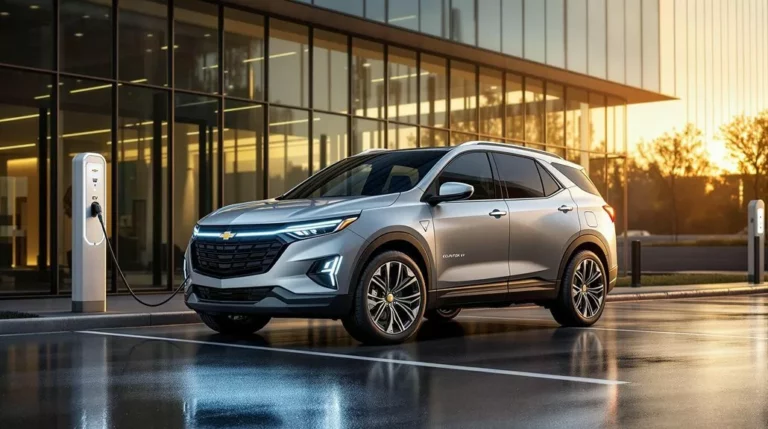

The Hyundai Ioniq 6 leads 2025’s electric sedan rankings, while the Kia EV9 GT-Line tops the SUV category with 306 miles of range. Tesla’s Model 3 and Model Y remain strong competitors with impressive performance scores. Luxury buyers can choose from Mercedes-AMG EQE, Lucid Air, and Porsche Taycan. Upcoming models include Cadillac’s limited-production Celestiq and Volkswagen’s retro ID.Buzz. Performance enthusiasts have options like the Hyundai Ioniq 5 N with racing-inspired technology.
Several new electric vehicles are hitting the market in 2025, giving car buyers more choices than ever before. The Hyundai Ioniq 6 sedan leads this year’s rankings, combining eye-catching design with strong performance. The Tesla Model 3 remains a top sedan choice after being tested across more than 200 data points for acceleration, comfort, and driving enjoyment. The competition also includes the new Ford Mustang Mach-E, which boasts impressive range and innovative technology. Consumers are increasingly considering not just performance but also the top electric car safety features, which many models emphasize through advanced driver-assistance systems. As electric vehicle technology evolves, buyers can expect even greater emphasis on sustainability and safety in their choices. As consumers navigate these options, leading electric vehicle brands 2025 are also focusing on enhancing charging infrastructure, making it more convenient for drivers to transition to an electric lifestyle. With government incentives and a growing network of charging stations, the accessibility of electric vehicles is improving rapidly. This shift not only supports environmentally friendly choices but also makes owning an electric vehicle a much more practical decision for everyday consumers.
2025 brings unprecedented electric vehicle choices, with Hyundai Ioniq 6 leading rankings alongside proven Tesla Model 3.
Electric SUVs are gaining popularity with families. The 2026 Hyundai Ioniq 9 stands out with three rows of seats and over 300 miles of range. The Kia EV9 GT-Line achieved 306 miles in Edmunds testing and offers luxurious features. Tesla’s Model Y Long Range impressed testers with 327 miles of range and high safety scores. The Hyundai Ioniq 5 Limited AWD provides 282 miles of range with quick charging capabilities. The Rivian R1S offers an impressive 410 miles of estimated range, making it one of the longest-range electric SUVs available.
Luxury buyers have several premium options. The 2025 Mercedes-AMG EQE 4Matic delivers 220 miles of range with Mercedes’ signature elegance. The Lucid Air serves as a flagship sedan with state-of-the-art technology. Porsche’s Taycan offers exceptional handling and rapid acceleration, though reliability concerns exist. BMW’s i4 balances agility with comfort, while the Genesis GV60 brings advanced tech to the luxury SUV market. Mercedes has achieved exceptional efficiency with their EQS model featuring a 0.20 drag coefficient, making it the most aerodynamic electric car on the market.
Automakers are preparing more electric models for release. Cadillac’s Celestiq will be a limited-production flagship sedan. Chevrolet’s Silverado EV targets truck buyers who need utility and range. Volkswagen’s ID.7 sedan will feature innovative cabin technology at mid-range prices. Honda’s Prologue SUV promises the brand’s traditional reliability in an electric package. The Volkswagen ID.Buzz brings retro styling to the electric van segment with 231-234 miles of EPA-estimated range.
Performance enthusiasts aren’t left out. The Lucid Air delivers exceptional acceleration alongside its luxury features. Porsche’s Taycan base model outperforms Tesla and BMW rivals in acceleration tests. Hyundai’s Ioniq 5 N brings racing-inspired technology to the crossover segment.
The 2025 Audi Q4 e-tron appeals to compact luxury SUV buyers with attractive pricing and a spacious cabin. It offers competitive range figures and polished driving characteristics.
With so many choices available, electric vehicle shoppers can find models that match their specific needs, whether they’re looking for range, performance, luxury, or family-friendly features. As more manufacturers enter the market, the evolution of electric vehicle technology has led to innovative designs and improved efficiency. Shoppers can now choose from a wider range of options that cater to various lifestyles, ensuring that even larger families can benefit from electric mobility. This shift not only promotes sustainability but also enhances the overall driving experience, making EVs increasingly attractive to a broader audience.
Frequently Asked Questions
What Financing Options or Tax Incentives Are Available for Electric Vehicles?
Electric vehicle buyers can find several money-saving options.
Some car companies offer 0% interest loans for up to 72 months. The Acura ZDX includes $10,000 in dealer discounts with this deal.
Federal tax credits once gave buyers $7,500 off, but they’ve ended for newer models. Leasing’s another choice, with Toyota’s bZ4X starting at $256 monthly.
State rebates vary by location. Buyers should check what’s available in their area.
How Long Do Electric Vehicle Batteries Typically Last Before Replacement?
Electric vehicle batteries typically last 15-20 years under normal conditions. Most manufacturers offer 8-year or 100,000-mile warranties.
Studies show batteries lose about 1.8% capacity yearly. With proper care, they can reach 280,000 miles or more. That’s often longer than gas-powered cars last.
Temperature extremes and fast charging affect battery life. After cars retire, batteries often get recycled or used for energy storage.
What Happens to EV Batteries After They’re No Longer Usable?
When EV batteries can’t power cars anymore, recycling facilities take over.
Workers remove batteries from vehicles and break them into smaller parts. Some facilities use high heat to melt batteries and recover metals like cobalt and nickel.
Others use chemicals to dissolve materials. The recovered metals go into new batteries. Plastics get recycled too.
Old batteries that still work sometimes become energy storage systems for homes or businesses.
Can Electric Vehicles Be Charged Using Regular Household Outlets?
Electric vehicles can charge using regular 120V household outlets. This method’s called Level 1 charging.
It adds about 4-5 miles of range per hour. A full charge takes 20-40 hours for most EVs.
All modern electric cars come with Level 1 chargers that plug into standard outlets. While it’s slow, overnight charging works fine for drivers with short daily commutes under 30 miles.
How Do Extreme Temperatures Affect Electric Vehicle Performance and Range?
Extreme temperatures hurt electric vehicle performance.
In very cold weather at -4°F, EVs lose half their normal driving range. Hot weather also causes problems. At 100°F, cars lose 31% of their range. The best temperature is 70°F when EVs work perfectly.
Air conditioning uses extra power too. At 95°F, running the AC cuts range by 17%.
Different car brands handle temperature changes differently.