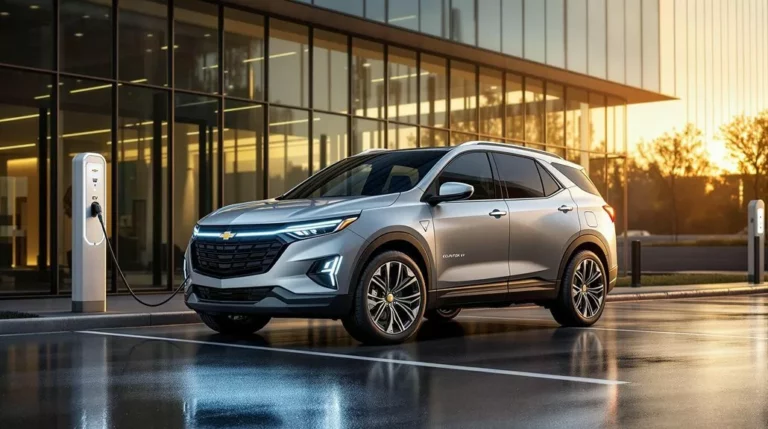

Long-range EVs are reshaping commutes in 2025. The Lucid Air Grand Touring leads with 512 miles per charge, while the Mercedes EQS 450+ offers 481 miles with luxury comfort. Budget-friendly options include the Hyundai Kona Electric at $32,875 and Chevrolet Equinox at $33,600 after credits. The Rivian R1S provides three-row seating with 410-mile range. These vehicles eliminate charging anxiety for daily drivers traveling between cities like LA and San Francisco.
As more people return to offices and face longer commutes, electric vehicles with extended range have become essential for daily drivers. The newest EVs can travel over 400 miles on a single charge, making them practical for even the longest daily trips.
The Lucid Air Grand Touring leads the pack with 512 miles of range. That’s enough to drive from Los Angeles to San Francisco and back without stopping to charge. Mercedes follows closely with the EQS 450+, which goes 481 miles between charges. Both cars offer luxury features that make long drives more comfortable.
Lucid Air’s 512-mile range means LA to San Francisco roundtrips without charging stops.
For commuters who need space, the Rivian R1S stands out. It’s the first electric SUV with three rows of seats and delivers 410 miles of range. The vehicle also includes off-road technology and can tow up to 12,000 pounds.
Tesla’s Model Y Long Range provides 327 real-world miles and features flat-folding seats for cargo. The company’s regular software updates continuously improve efficiency and add new features to enhance the driving experience.
Truck drivers aren’t left out. The Chevrolet Silverado EV RST Max offers 460 miles of range and can tow 10,000 pounds. It’s the longest-range truck available today. Cadillac’s upcoming Escalade IQ promises similar range but awaits official testing.
Budget-conscious commuters have options too. The Hyundai Kona Electric SE costs $32,875 and travels over 200 miles. With tax credits, the Chevrolet Equinox FWD drops to $33,600 and goes 319 miles.
Tesla’s Model 3 Long Range costs $34,990 after credits and delivers 363 miles of range. The Ford Mustang Mach-E Premium offers the cheapest 300+ mile range option at $39,995 for budget buyers seeking extended distance capability.
Sedans remain efficient choices. The Hyundai Ioniq 6 uses aerodynamic design to achieve 614 kilometers of range. BMW’s i4 eDrive40 offers 593 kilometers with sporty handling. Both cars charge quickly at public stations. Lithium-ion batteries power most modern electric vehicles and continue to improve in efficiency and energy density.
Looking ahead, Mercedes tested a concept car that traveled 627.6 miles on one charge. Toyota plans to release a 500-mile EV in 2026 using solid-state batteries. These advances show that electric commuting will only get easier. As manufacturers push the boundaries of battery technology, we can expect a broader range of electric vehicles that cater to diverse needs and preferences. These innovations signal a transformative period for the industry, further solidifying the history of electric vehicles and their evolution from niche products to mainstream options. With ongoing investments in infrastructure and technology, the future of sustainable transportation appears brighter than ever. Additionally, as electric vehicles gain popularity, manufacturers are also focusing on enhancing the driving experience through innovative designs and technology integration. This includes improved electric vehicle interior comfort features, which are becoming a priority for consumers seeking both convenience and luxury. Ultimately, these advancements will contribute to a more appealing and practical choice for those considering the switch to electric mobility.
Today’s long-range EVs prove that drivers don’t need gas stations anymore. With ranges exceeding 400 miles and prices starting under $33,000, electric cars work for commutes of any length.
Frequently Asked Questions
How Does Extreme Weather Affect EV Range During Long Commutes?
Extreme weather hits electric vehicle range hard.
Cold weather cuts EV range by about 25% at highway speeds. At -4°F, drivers might get only half the promised miles. In addition to the immediate reduction in range, cold weather can also impact battery efficiency and charging times. Owners of electric vehicles should be aware of the cold weather effects on EV range and plan their trips accordingly to avoid running low on battery. Utilizing preconditioning features while the vehicle is still plugged in can help mitigate some of these challenges.
Hot weather above 95°F slashes range by 17%, mainly from air conditioning use.
Winter’s worse than summer because EVs use battery power for heating, while gas cars get free heat from their engines.
Cold air and snowy roads make EVs work even harder.
What Are the Best Charging Apps for Planning Commute Routes?
Several charging apps help drivers plan electric vehicle pathways.
PlugShare leads with 140,000+ stations and real-time updates.
ChargePoint offers route optimization through 31,900 stations.
Electrify America focuses on fast-charging spots for long trips.
EVgo lets users reserve charging stations ahead.
These apps show connector types, charging speeds, and availability.
Many include turn-by-turn direction and payment options.
Some offer membership discounts for frequent users.
Can I Claim Tax Deductions for EV Commuting Expenses?
Tax experts say personal commuting to work isn’t tax-deductible, even in an EV.
However, drivers can claim deductions when using their electric vehicle for business trips like client meetings or deliveries.
They’ll need detailed mileage logs showing dates, destinations, and business purposes.
The IRS allows 70 cents per mile in 2025 or actual expenses like charging costs.
Business use percentage determines the deductible amount.
How Do HOV Lane Benefits Work for Electric Vehicles?
Electric vehicles can use HOV lanes even with just one person inside. Drivers need special stickers like New York’s Clean Pass to show their car qualifies.
The federal program ends September 30, 2025. Each state has different rules. California and Virginia expanded their programs while some states stopped letting hybrids use these lanes.
EVs save time by skipping traffic and sometimes pay lower tolls.
What’s the Average Battery Degradation After Years of Daily Commuting?
Electric vehicle batteries lose about 1.8% of their capacity each year under normal conditions.
That means a car with 300 miles of range drops to about 267 miles after five years.
Daily fast charging makes it worse – cars can lose 22% more battery life compared to slow home charging.
The good news? Modern EV batteries typically last 15-20 years, often outliving the car itself.