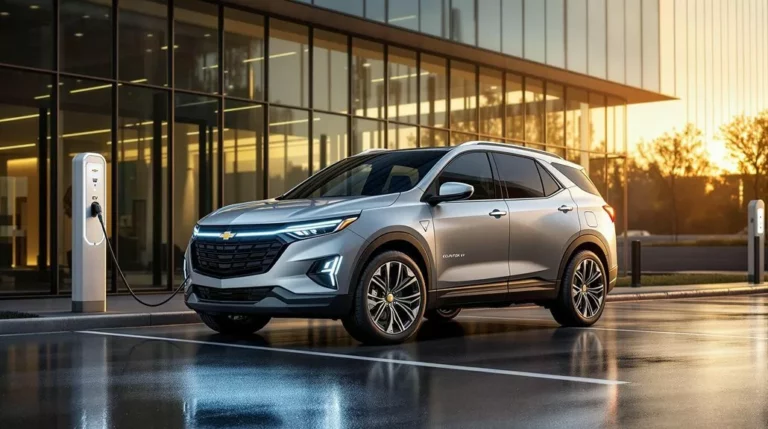

Major policy changes are reshaping America’s electric vehicle environment in 2025. The House passed a proposal to eliminate the $7,500 federal tax credit for new EVs and the $4,000 credit for used models. The Senate hasn’t voted yet, creating uncertainty for automakers and buyers. These changes could cost society $33 billion by 2030 and risk 250,000 jobs. Ten states are implementing their own EV policies while the federal government’s direction remains unclear.
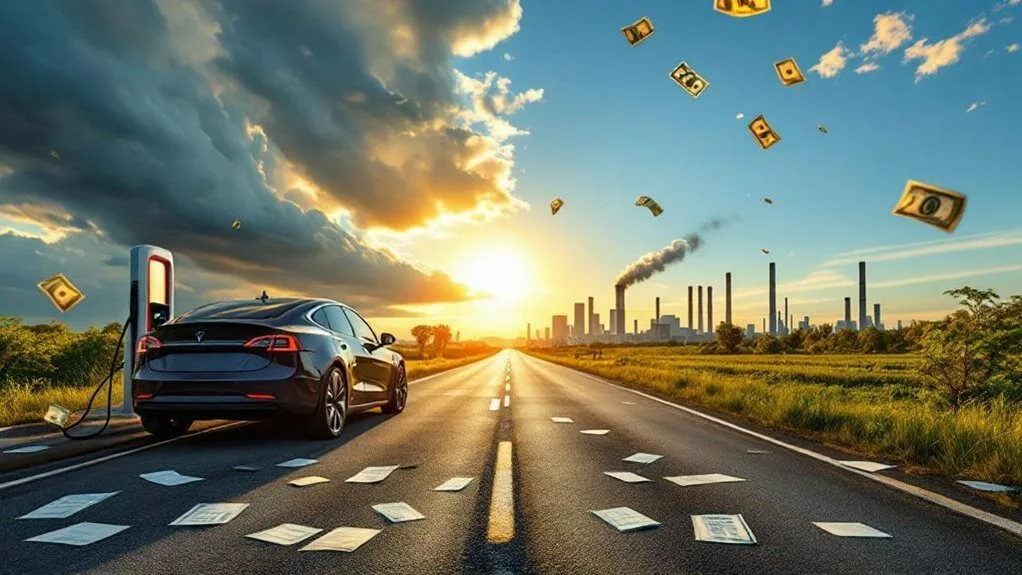
As Congress debates major changes to electric vehicle policies, the federal tax credits that’ve helped millions of Americans buy EVs could disappear after 2025. The House of Representatives passed a GOP proposal that would end the $7,500 credit for new electric vehicles and eliminate the $4,000 credit for used EVs. The plan also removes tax incentives for commercial fleets and closes a leasing loophole that let manufacturers claim credits. The $1,000 rebate for home charging stations would end too. Senate Republicans have also proposed legislation that would not only eliminate the credit but impose a $1,000 fee on EV purchases.
The Senate hasn’t voted on these changes yet, so the final outcome remains uncertain. The executive branch has already ordered a pause on funds from the Inflation Reduction Act and Bipartisan Infrastructure Law that support EV programs. However, legal experts point out that tax credits written into the IRA can’t be removed without Congressional action. The Impoundment Control Act requires Congress to act within 45 days or the funds must be released as appropriated.
These proposed changes could have serious economic effects. The Resources for the Future organization projects a $33 billion cost to society by 2030 if these policies get reversed. Nearly 250,000 jobs created in the EV sector could be at risk. Without incentives, price-conscious buyers might not choose electric vehicles, which could slow adoption rates. The elimination of federal credits could particularly impact the used EV market, where nearly 50% of electric vehicles are already priced under $25,000 and 30% cost less than $20,000.
Policy reversals could cost society $33 billion and eliminate 250,000 EV sector jobs by 2030, slowing electric vehicle adoption.
Automakers have invested billions in EV and battery manufacturing. They’re warning politicians that sudden policy changes could waste these investments. Environmental groups worry about missing climate goals, while health experts point to potential air quality problems in cities if fewer people buy electric cars.
Despite federal uncertainty, states are taking action. Ten states have already reached their combined goal of 3.3 million EVs through their own policies. State governments are creating tax breaks, rebates, and charging requirements. They’re building more charging stations through partnerships with private companies.
California’s Advanced Clean Car Program faces a potential challenge if the EPA reverses the state’s special authority to set stricter standards. Meanwhile, GOP proposals strive to weaken fuel economy and emissions rules nationwide.
The debate reflects deeper disagreements about whether the government should help the EV market grow or let it develop on its own. As these political battles continue, the future of electric vehicle adoption in America hangs in the balance. Supporters of government intervention argue that a strategic push is essential to overcome consumer hesitance and infrastructure challenges, citing the historical patterns seen in the history of electric vehicles. On the other hand, opponents believe that market forces alone will determine the viability of EVs without the necessity of taxpayer dollars. As this tension plays out, the pace of technological advancements and consumer choices will ultimately dictate the trajectory of electric vehicle adoption. The divergent views on government intervention are further complicated by the rapidly shifting landscape of electric vehicle market trends 2025. As automakers invest heavily in new technologies and consumers become increasingly environmentally conscious, the potential for growth may emerge organically, regardless of policy decisions. Monitoring these trends will be crucial in understanding how external factors influence both consumer adoption and the long-term sustainability of the electric vehicle industry. Additionally, as more consumers become aware of the regenerative braking advantages that EVs offer—such as increased energy efficiency and reduced wear on traditional braking systems—there may be a gradual shift in public perception. This awareness can potentially amplify demand, pushing the market to evolve without heavy reliance on government incentives. Ultimately, consumer education and the inherent benefits of advanced technologies will play pivotal roles in accelerating the transition to electric vehicles.
Frequently Asked Questions
How Much Do Electric Vehicle Charging Stations Cost to Install at Home?
Homeowners typically pay $800 to $2,500 to install electric vehicle charging stations.
Level 2 chargers, which charge cars faster, cost $300 to $800 for the unit.
Electricians charge $75 to $150 per hour for 3 to 8 hours of work.
Permits add $50 to $300.
Some homes need electrical panel upgrades costing $1,500 to $4,000.
Most people spend about $965 total for a complete Level 2 setup.
What Is the Average Lifespan of an Electric Vehicle Battery?
Electric vehicle batteries typically last 15 to 20 years under normal conditions.
Studies show they’re averaging 18.4 years with about 124,000 miles. That’s similar to gas-powered cars.
Most manufacturers offer 8-year warranties covering 100,000 miles.
Battery life depends on charging habits and climate. Fast charging and extreme temperatures can shorten lifespan.
With proper care, some EV batteries can exceed 280,000 miles.
Can Electric Vehicles Be Charged Using Regular Household Outlets?
Electric vehicles can charge using regular household outlets, but it’s extremely slow.
Standard 120-volt outlets add only 3-5 miles of driving range per hour. A full charge takes 20-40 hours. These outlets weren’t designed for EVs and may overload circuits.
Many EV owners upgrade to 240-volt outlets, which charge 3-10 times faster. Electricians recommend dedicated circuits to prevent fires and electrical problems.
How Do Extreme Temperatures Affect Electric Vehicle Performance and Range?
Extreme temperatures hurt electric vehicle performance.
In freezing weather at 5°F, EVs only deliver 54% of their normal range. That means a car that usually goes 250 miles can only travel 135 miles.
Hot weather also reduces range, though less severely. EVs work best around 70°F, when they actually exceed their rated range by 15%.
Both heating and air conditioning drain the battery faster, cutting driving distance.
What Happens to Old Electric Vehicle Batteries After Replacement?
Old electric vehicle batteries don’t go to landfills. Companies collect and recycle them through a complex process.
Workers discharge the batteries first to prevent fires. They then dismantle them and extract important materials like lithium and cobalt. Special facilities use chemicals to purify these metals.
Global recycling capacity hit 1.6 million tons yearly in 2025. The recycled materials go into making new batteries, creating a circular system.