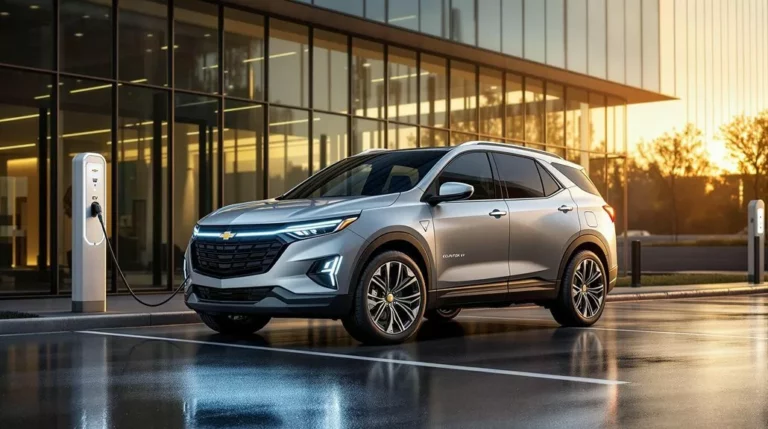

The automotive industry now offers four main electric vehicle types. HEVs combine gas engines with electric motors and don’t need plugging in. PHEVs can charge externally and travel 40-80 miles on electricity before using gas. BEVs run entirely on batteries, producing zero emissions with 200-300 mile ranges. FCEVs use hydrogen to generate electricity, emitting only water vapor. Each type offers different benefits, costs, and infrastructure needs for today’s drivers.
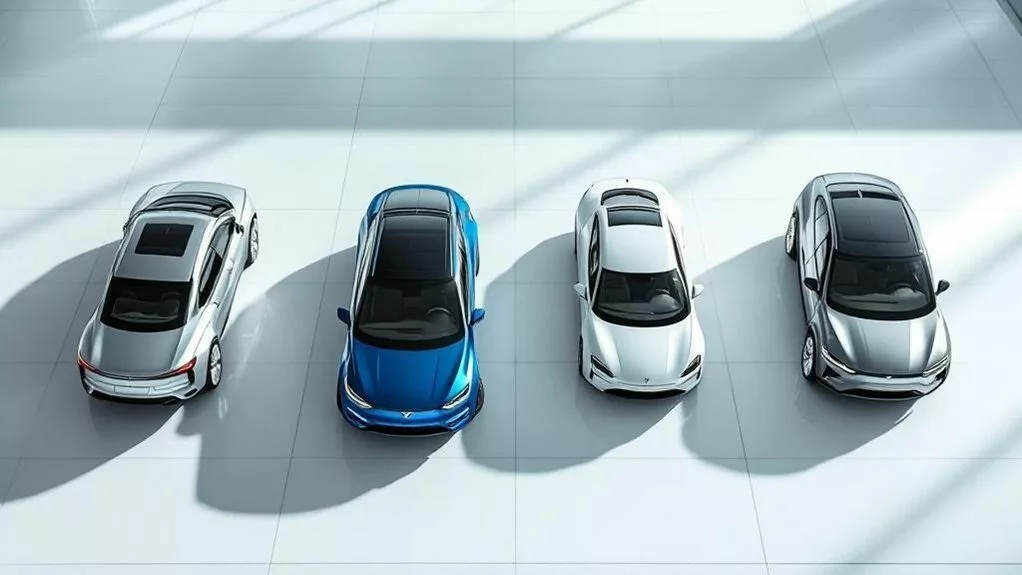
When shoppers visit car dealerships today, they’re seeing more electric vehicle options than ever before. Four main types of electric vehicles dominate the market: HEV, PHEV, BEV, and FCEV. Each type works differently and offers distinct advantages.
HEVs, or hybrid electric vehicles, combine a traditional gas engine with an electric motor. They don’t need external charging because the battery charges itself while driving. These vehicles produce lower emissions than regular gas cars but more than pure electric models. Drivers can expect 300 to 500 miles of range, similar to conventional vehicles. Ferdinand Porsche designed the first hybrid electric car in 1901, establishing a technology that continues to evolve today.
Operating costs fall between gas cars and electric vehicles, and maintenance requirements match those of regular cars with some extra electric components.
PHEVs, or plug-in hybrid electric vehicles, offer both charging capability and a gas engine backup. They can travel 40 to 80 miles on electric power alone before the gas engine kicks in. When running on electricity, they produce zero tailpipe emissions.
Drivers need access to both charging stations and gas stations. These vehicles cost less to operate in electric mode but require maintenance for both systems.
BEVs, or battery electric vehicles, run entirely on electricity stored in onboard batteries. They produce zero tailpipe emissions and typically travel 200 to 300 miles per charge. Modern BEVs use lithium-ion batteries as their primary energy storage technology, providing reliable performance for everyday driving needs.
These vehicles offer the lowest operating costs at 25 to 40 kilowatt-hours per 100 miles. They need less maintenance than other types since they don’t have oil changes or as many moving parts. However, they depend on charging infrastructure availability.
FCEVs, or fuel cell electric vehicles, use hydrogen to generate electricity for propulsion. They emit only water vapor from their tailpipes and can travel long distances like gas cars. Extended-range electric vehicles offer range extenders to enhance driving distance and provide gasoline backup for longer trips.
Refueling takes just minutes, but hydrogen stations remain scarce in most areas. Operating costs vary by region and often match those of gas vehicles. The complex fuel cell systems may need specialized service.
The environmental impact of each type depends on energy sources. BEVs and FCEVs can achieve zero emissions if powered by renewable energy. PHEVs’ benefits increase with cleaner electricity grids. HEVs reduce emissions compared to gas cars but still rely on fossil fuels.
Frequently Asked Questions
How Much Does It Cost to Install a Home Charging Station?
Home charging station installations cost between $300 and $2,500. Most homeowners pay around $965. The price depends on the charger type and electrical work needed.
Level 2 chargers cost more than Level 1 but charge faster. Labor from electricians runs $400 to $1,500.
Extra costs include permits ($50-$500) and trenching for underground wires ($500-$2,000). Some homeowners qualify for government rebates that lower their final bill.
What Happens to Electric Vehicle Batteries When They Need Replacement?
When electric vehicle batteries need replacement, they don’t go to waste. Many companies recycle them to recover precious materials like lithium and cobalt.
Some batteries get a second life in home energy storage systems. Others are taken apart and their parts reused.
Manufacturers follow strict rules for handling these batteries safely. The old batteries must be processed at special facilities that prevent environmental damage.
Can Electric Vehicles Be Charged Using Solar Panels at Home?
Electric vehicles can charge at home using solar panels. Homeowners install panels on their roofs that convert sunlight into electricity.
They’ll need special equipment like inverters and Level 2 chargers. Some systems store extra solar power in batteries for nighttime charging.
Direct DC chargers skip conversion steps, making charging more efficient. Smart systems automatically charge EVs when the sun’s shining brightest, though grid power remains available as backup.
How Do Extreme Temperatures Affect Electric Vehicle Battery Life?
Extreme temperatures hurt electric vehicle batteries. In cold weather, EVs lose nearly half their range at 5°F. The battery’s chemical reactions slow down, making charging take longer.
Hot weather also damages batteries. High heat speeds up internal wear and tear. Most EVs work best at 70°F.
Battery management systems help by heating or cooling batteries. Over time, temperature extremes make batteries lose capacity faster.
What Tax Incentives Are Available for Purchasing Electric Vehicles?
Federal tax credits offer up to $7,500 for new electric vehicles and $4,000 for used ones. Buyers can get these discounts at dealerships.
The vehicles must meet price limits—$55,000 for cars and $80,000 for SUVs. Income caps also apply. The car’s final assembly must happen in North America. Battery materials need specific sourcing.
These credits expire September 30, 2025, according to new legislation.