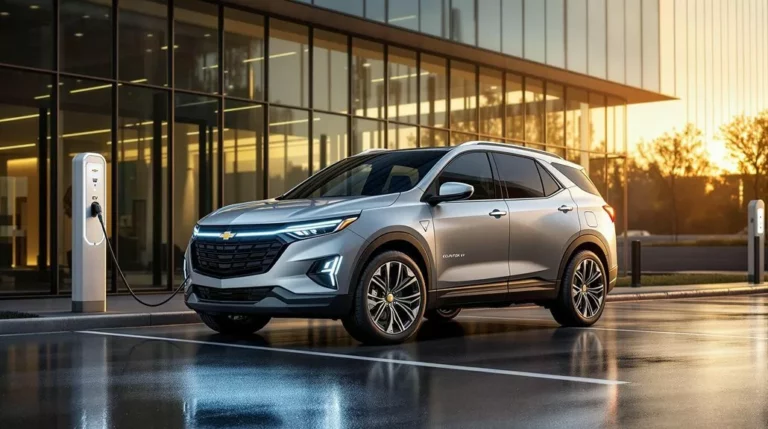

Electric vehicle subscriptions offer monthly access to different electric cars through a fixed fee covering insurance, maintenance, and taxes. Major brands like Tesla, BMW, and Audi participate in these programs. Users manage everything through smartphone apps that track charging and suggest ideal vehicles. Monthly switching between compact cars and luxury SUVs provides flexibility without ownership commitments. Australia’s growing EV market supports this trend, with subscriptions projected to expand considerably. More details about pricing and availability follow below.
As gas prices keep climbing and electric vehicles gain popularity, a new way to drive EVs has emerged through subscription services. These programs let drivers switch between different electric cars each month without buying or leasing them long-term. This flexibility appeals to many consumers who are exploring why switch to electric vehicles. Additionally, subscription services often include maintenance and insurance, making the transition to an eco-friendly option even more seamless. As more people experience the benefits of EVs, the adoption rate is expected to surge, driving innovations in the sector.
Electric vehicle subscriptions work like streaming services but for cars. Users pay a fixed monthly fee that covers insurance, maintenance, registration, and taxes. The only extra cost is electricity for charging. Some programs don’t require credit checks, and many offer home delivery and pickup. Drivers can cancel anytime without penalties.
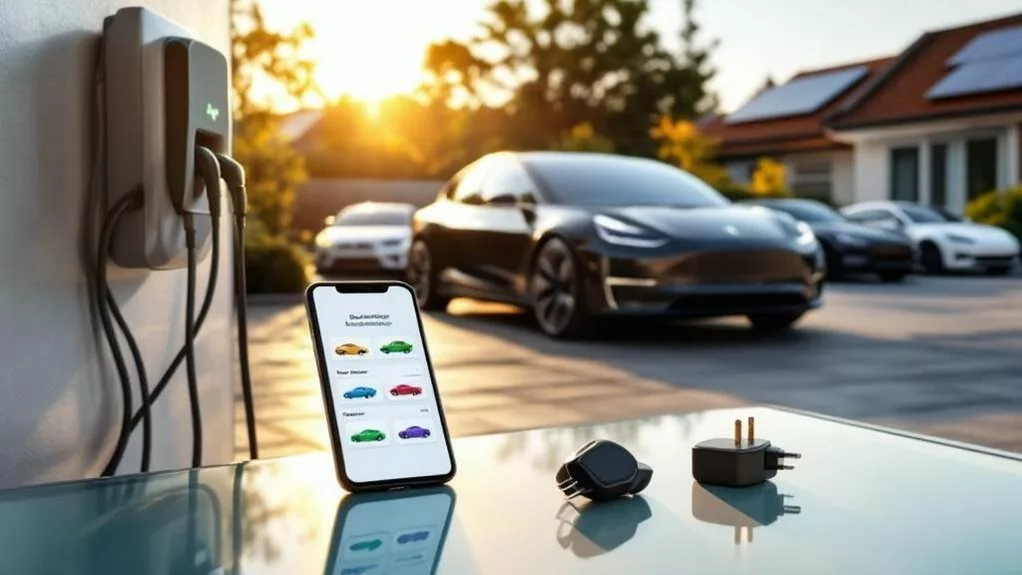
The flexibility appeals to many people. Subscribers can drive a compact car one month and switch to a luxury SUV the next. They manage everything through smartphone apps that handle booking, tracking, and maintenance scheduling. The apps also monitor charging levels and battery health, while AI suggests the best vehicle choices based on driving habits.
Switch between EVs monthly while AI optimizes your vehicle choice based on driving patterns.
Different companies offer various EV models. Tesla‘s available through services like Eon. Premium brands including BMW, Audi, and Mercedes appear in high-tier subscriptions. Hyundai runs its own program featuring Ioniq models with 1,000-mile monthly limits. Budget-friendly options help make EVs affordable for more people. Several companies are also expanding their offerings to include a broader range of electrified vehicles, such as hybrid electric vehicles (HEVs), plug-in hybrid electric vehicles (PHEVs), battery electric vehicles (BEVs), and fuel cell electric vehicles (FCEVs). This variety allows consumers to explore options that best fit their needs and driving habits, leading to a more informed hev, phev, bev, fcev comparison. As the EV market continues to grow, manufacturers are focusing on sustainability and innovation to attract a wider audience.
These subscriptions support environmental goals too. They prioritize electric vehicles and partner with charging stations that use sustainable energy. Sharing EVs through subscriptions reduces emissions compared to individual ownership. The circular model lets multiple users drive the same vehicle over its lifetime.
Some programs let subscribers test cars before buying. These test-and-purchase models allow converting subscriptions into ownership after trial periods. Businesses can also use corporate fleet solutions to try EVs before committing to purchases.
The market’s growing quickly. Australia’s EV fleet reached over 300,000 vehicles in early 2025, with EVs making up 9.53% of new car sales. The global car subscription market is expected to expand from $5.41 billion in 2024 to $23.81 billion by 2033. However, companies face challenges expanding charging infrastructure and managing logistics as demand increases. Platforms like Loopit enable these businesses to efficiently scale their subscription programs with fleet management tools and real-time tracking capabilities.
This subscription model represents a shift in how people think about car ownership. Instead of buying depreciating assets, drivers can access the latest EV technology through affordable monthly payments while supporting environmental sustainability. In addition to the financial benefits, this model offers greater flexibility and convenience for users. The integration of cutting-edge tools, such as the rivian mobile app features, allows drivers to easily manage their subscriptions, monitor vehicle performance, and schedule maintenance all in one place. This seamless experience enhances the overall ownership experience, making it more appealing to a broader audience interested in sustainable transportation.
Frequently Asked Questions
How Does Insurance Coverage Work With EV Subscription Services?
Insurance coverage works simply with EV subscription services. Companies include extensive and liability insurance in monthly fees. Subscribers don’t buy separate policies.
The services handle everything through partnerships with insurers. Coverage includes theft, collision, and vandalism protection. It excludes pre-existing damage and intentional misuse. Insurance stays active only during subscription periods.
Most services require minimum age limits and set monthly mileage caps.
Can I Transfer My Subscription to Another Person?
Most car subscription services don’t allow transfers between people.
Companies typically tie subscriptions to the original account holder. They require background checks and credit approvals for each subscriber.
Some services might permit transfers within families or businesses, but they’ll need new applications.
Tesla’s FSD subscriptions can’t transfer to new owners.
Each subscription company sets its own rules. Customers should check their contracts for specific transfer policies.
What Happens if I Exceed the Monthly Mileage Limit?
When drivers exceed monthly mileage limits, they’ll pay extra fees.
Evogo charges 15 pence to £1.25 per mile, depending on the vehicle type.
Hyundai Evolve+ charges $20 for every 100 miles up to 1,500, then $1 per mile after that.
Spring Free EV charges flat rates after 2,750 miles.
Some companies allow mid-term adjustments or rollover unused miles.
Fleet programs sometimes offer unlimited mileage options.
Are There Age Restrictions for EV Subscription Eligibility?
Most EV subscription services require drivers to be at least 21 years old in the U.S.
European companies often accept 18-year-olds. Some providers set higher limits. Hyundai’s Evolve+ requires subscribers to be 25 or older.
Drivers under 25 typically pay extra fees. Age limits vary by company and location. All subscribers need valid driver’s licenses.
Some university programs make exceptions for younger students.
How Quickly Can I Switch Between Different EV Models?
EV subscription services let drivers switch between different electric car models with 30-day notice. That’s much faster than traditional car leases.
The process happens through smartphone apps, making it simple. There aren’t any penalties for changing vehicles. Companies include the switching costs in monthly fees.
Pre-approved models in the provider’s fleet are ready for quick access. This flexibility appeals to people whose driving needs change often.