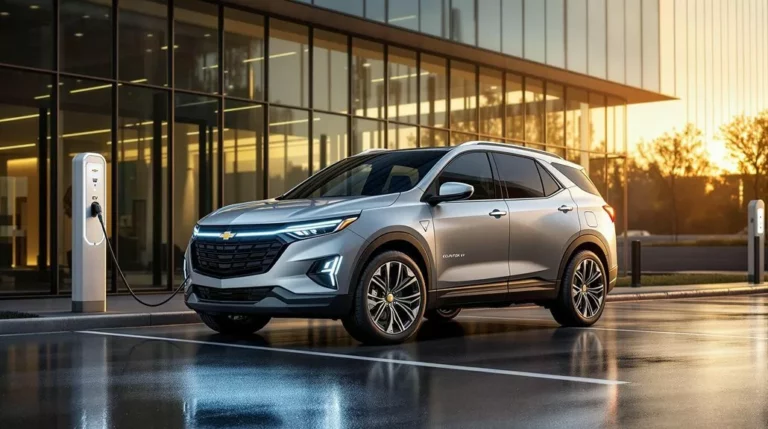

Electric vehicles lose significant value quickly, depreciating nearly 60% within five years. The Jaguar I-PACE drops the most at 72%, while Tesla models lose 63-65% of their original price. Used EV prices fell 32% last year, averaging $27,800. Despite depreciation concerns, used EV sales jumped 32% as buyers seek federal rebate-eligible models. Battery health remains buyers’ top priority. The market expects major changes when 350,000 leased EVs return in 2026.
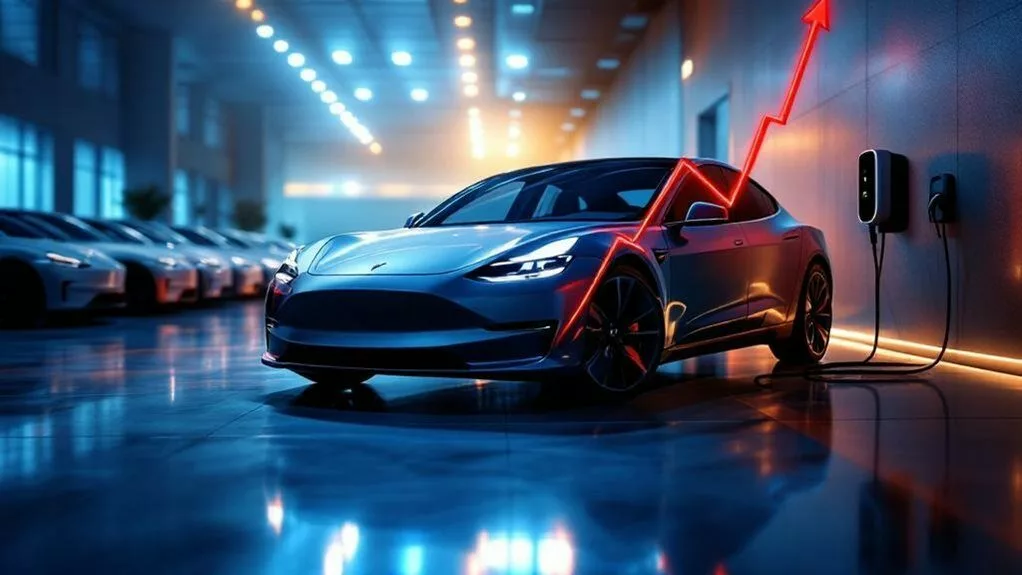
Why are electric cars losing value faster than gas-powered vehicles? The numbers tell a stark story. Electric vehicles depreciate an average of 58.8% within five years, while traditional cars hold their value better. Some models fare worse than others. The Jaguar I-PACE leads the pack with a crushing 72.2% value drop, losing buyers $51,953 on average. This rapid depreciation can be attributed to several factors, including the rapid evolution of electric vehicle technology, which often renders older models less desirable. Additionally, concerns over battery lifespan and replacement costs contribute to buyer hesitation in the used market. As newer models with improved features and longer ranges continue to emerge, older electric cars struggle to maintain their appeal. Understanding electric car value depreciation trends can provide valuable insights for potential buyers and investors alike. As the market for electric vehicles expands, the impact of incentives and tax rebates on new purchases also plays a role in driving down the value of used models. Buyers may also prioritize features such as advanced driver-assistance systems, which further influences the resale market. Despite these challenges, buying used electric cars benefits those who are willing to adapt to the evolving market. With the potential for significant savings compared to new models, savvy consumers can enjoy the perks of electric driving without incurring the steep depreciation costs associated with new vehicles. Furthermore, as technology continues to improve, older models may still offer excellent performance and reliability for those seeking a more budget-friendly option.
Tesla’s luxury models aren’t immune to this trend. The Model S loses 65.2% of its value, while the Model X drops 63.4%. Even the more affordable Tesla Model 3 depreciates 55.9% over five years. The Hyundai Kona Electric performs similarly, losing 58% of its value. The Porsche Taycan joins these luxury disappointments with a 60.1% depreciation over five years, translating to a $59,691 loss.
The used EV market shows dramatic shifts. Prices fell 32% year-over-year, reaching an average of $27,800 in Q3 2025. Despite this drop, the price gap between used EVs and gas cars stays under $2,000. Federal rebates play a significant role in sales velocity. EVs that qualify for rebates sell six times faster than those that don’t. Available inventory includes 70 models ranging from under $10,000 to over $90,000, with 34% priced under $25,000.
A pricing phenomenon called the “$24K death zone” forces buyers to focus on rebate-eligible vehicles. This creates market distortions where sellers price non-eligible EVs above rebate thresholds to stay competitive.
Sales data reveals contrasting patterns. New EV sales dropped 10.7% year-over-year in May 2025, while used EV sales jumped 32.1%, hitting 36,609 units. Tesla Model 3 dominates the used market, followed by other Tesla models and the Chevrolet Bolt EV.
Consumer interest keeps growing. EV-related searches at CarMax nearly doubled between January 2022 and February 2025. California, Texas, and Florida show the strongest demand. Battery health has become essential for buyers, who now demand pre-purchase testing and detailed assessments.
The market faces new challenges ahead. About 350,000 EVs will come off lease in 2026, potentially flooding the used market. Retailers must prepare with adaptive pricing strategies to handle these inventory surges.
As competition increases and Tesla’s dominance wanes, the used EV market will likely see more variety and potentially better value retention patterns.
Frequently Asked Questions
Are There Any Tax Implications When Selling My Used Electric Vehicle?
When someone sells a used electric vehicle, they might owe taxes on any profit.
The federal tax credit they got when buying the car reduces what they originally paid for tax purposes. If they sell for more than this adjusted amount, they’ll pay capital gains tax on the difference.
The tax rate depends on how long they owned the car and their income level.
What Paperwork Do I Need to Complete an Electric Car Sale?
Sellers need several documents to complete an electric car sale. They must transfer the vehicle’s title to the buyer.
A bill of sale shows the price and both parties’ signatures. Cars under 10 years old require an odometer disclosure.
Sellers file a release of liability with the DMV.
Battery warranties and charging cables should be documented.
Some states require additional forms for tax credit eligibility.
Should I Sell Privately or Trade in My Electric Vehicle?
Car owners face a tough choice when selling electric vehicles.
Private sales typically bring higher prices than dealer trade-ins. Dealers often make lowball offers, especially for older Teslas that’ve lost significant value.
However, private selling takes more time and effort. Sellers must handle paperwork, meet buyers, and negotiate prices themselves.
Trade-ins offer convenience but usually mean accepting thousands less than private market values.
How Do I Transfer the Remaining Manufacturer Warranty to the New Owner?
Most electric vehicle warranties transfer automatically to new owners through the vehicle’s VIN.
Sellers should check their warranty handbook for specific transfer rules. Some manufacturers require paperwork or charge fees.
The GMC Hummer EV won’t transfer bumper-to-bumper coverage if sold within six months.
Federal law requires EV batteries to have transferable 8-year/100,000-mile warranties. California extends this to 10 years/150,000 miles.
Sellers typically contact the manufacturer to complete transfers.
Can I Sell My Electric Car if I Still Owe Money on It?
Yes, people can sell cars they’re still paying off. The process requires getting the exact payoff amount from the lender.
Dealers often handle these transactions by paying the loan directly. Private buyers need the payoff details to send money to the lender.
If the car’s worth less than what’s owed, sellers must pay the difference. Many online platforms now manage these payoffs automatically during sales.