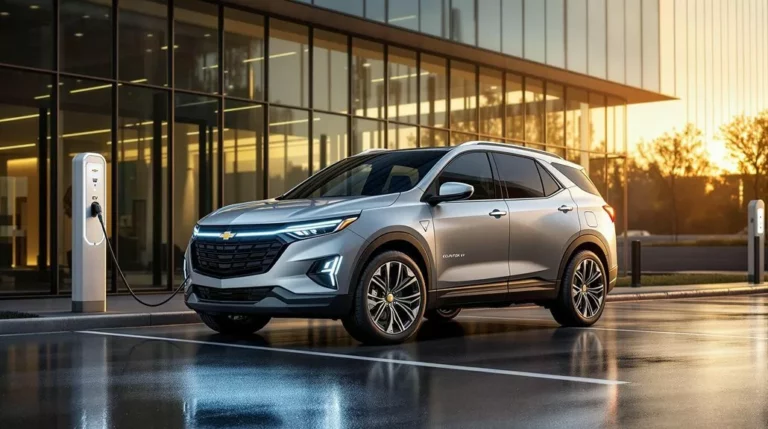

DC fast charging stations can charge electric vehicles to 80% in 15 to 45 minutes using up to 350 kilowatts of power. These chargers cost between 25 and 45 cents per kilowatt-hour, making a typical charge $13.50 to $21.50. Three plug types exist: CCS, CHAdeMO, and Tesla Supercharger. Major networks like Electrify America and Tesla have built stations along highways and in cities. More details about charging efficiency and battery protection follow below.
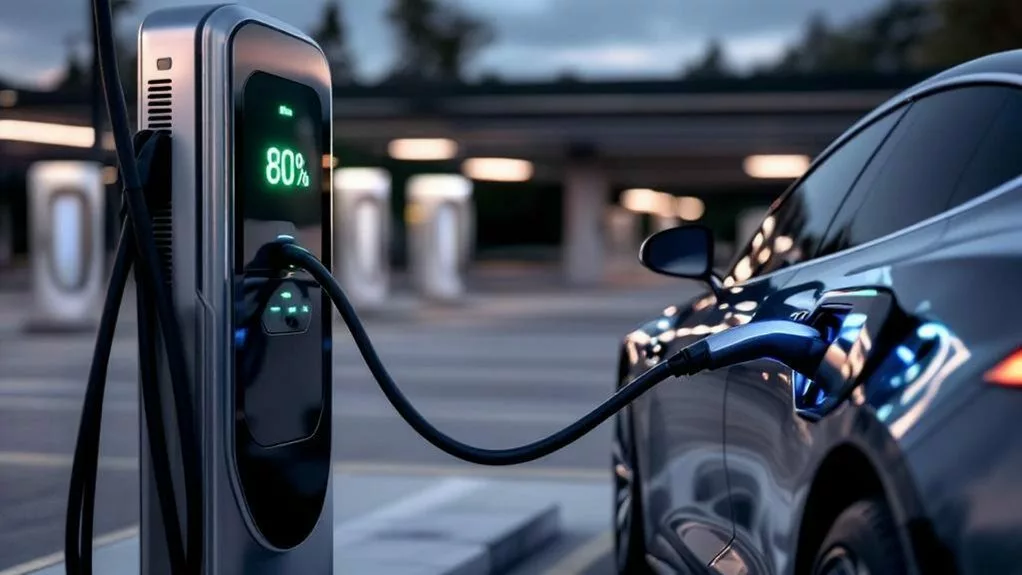
When electric vehicle owners need a quick charge on the road, DC fast charging stations can power up their batteries to 80% in just 15 to 45 minutes. These powerful chargers can deliver up to 350 kilowatts of electricity, though most cars limit how much power they’ll accept. Older EVs might only take 50 kilowatts, while newer models can handle up to 270 kilowatts. As the demand for faster charging continues to grow, advancements in charging infrastructure are becoming a crucial part of the history of electric vehicle technology. Innovations in battery chemistry and power management systems are also evolving, allowing for more efficient energy transfer during these quick charging sessions. This progress not only enhances the convenience for drivers but also supports the wider adoption of electric vehicles globally.
The speed isn’t constant throughout the charging session. Cars charge fastest between 20% and 80% battery capacity. After hitting 80%, the charging rate drops considerably as the car’s computer protects the battery from overheating. This slowdown happens because batteries need careful temperature control during rapid charging. Unlike Level 1 and Level 2 chargers that convert AC to DC, these stations send direct current straight into the battery, eliminating conversion time.
Charging slows after 80% to protect batteries from heat damage during rapid charging sessions.
DC fast charging costs vary widely across different networks. Drivers typically pay between 25 and 45 cents per kilowatt-hour. Tesla, ChargePoint, and other companies set their own prices. Some networks charge membership fees or add extra costs during busy hours. Charging a typical EV with a 50 kWh battery can cost between $13.50 and $21.50 to add 175 miles of driving range.
While DC charging costs more than plugging in at home, it’s much faster and can save money on long trips compared to multiple slower charging stops. Home charging typically offers significant savings with the potential for $600 to $800 in annual fuel cost reductions.
Not all chargers work with every car. Three main plug types exist: CCS, CHAdeMO, and Tesla Supercharger. Most new EVs use CCS connectors. CHAdeMO plugs appear on certain Japanese brands. Tesla cars need special adapters to use non-Tesla chargers. Many stations now include both CCS and CHAdeMO ports to serve more vehicles.
DC fast chargers make up over half of public charging stations in many areas. Companies like Electrify America and Tesla have built networks along highways and in cities. Drivers use apps like PlugShare and ChargeMap to find compatible stations nearby. Some regions still lack enough chargers, forcing drivers to rely on slower options.
Regular DC fast charging can slightly reduce battery life compared to slower charging methods. The high power creates heat that stresses battery cells. Cars have built-in systems to manage temperature and charging speed. Most carmakers suggest using DC fast charging mainly for road trips rather than daily charging needs.
Frequently Asked Questions
Can I Use DC Fast Charging in the Rain or Snow?
Drivers can safely use DC fast chargers in rain or snow. These charging stations have waterproof connectors and surge protection systems.
Special safety features automatically shut off power if they detect moisture problems. However, charging takes 30-50% longer in cold weather.
Snow might block charging ports, requiring drivers to brush them clean. Many stations have covered areas to protect users from bad weather during charging.
Does Frequent DC Fast Charging Damage My Ev’s Battery?
Studies show frequent DC fast charging doesn’t greatly harm modern EV batteries.
Researchers analyzed 13,000 Teslas and found minimal difference in battery life between heavy and light fast-charging users. After 50,000 miles, cars using only fast charging kept 70% capacity compared to 75% for slow-charged vehicles.
Today’s battery management systems protect against damage by controlling temperature and charging speeds. Most manufacturers design batteries to handle regular fast charging.
Can I DC Fast Charge With an Adapter for My Tesla?
Tesla owners can use DC fast charging with special connectors.
The CCS1-to-NACS connector links Tesla cars to non-Tesla charging stations. It costs $69.99 and works with newer Teslas that support CCS connectors.
The connector handles up to 500 volts and meets safety standards. It’s made of metal to handle heat during charging.
Users must check their Tesla’s compatibility first through the car’s software menu.
What Happens if Someone Unplugs My Car While Fast Charging?
If someone unplugs an electric car while it’s fast charging, the charging stops immediately.
The car’s safety systems prevent any damage. The charging handle usually can’t be removed because it secures automatically during charging. Only the car’s owner can release it.
If someone forces the cable out, warning messages might appear on the car’s screen. The battery won’t be harmed, and charging can restart normally later.
Do I Need a Special App or Membership to Use DC Chargers?
Most DC fast chargers require specific apps to start charging sessions. Electrify America‘s network needs their app, while EVgo uses theirs. These apps often include features such as locating nearby charging stations, checking availability, and managing payments. For those looking for optimal convenience, exploring the best apps for EV charging can significantly enhance the overall charging experience. Additionally, many of these applications provide real-time updates and notifications, ensuring that users are well-informed throughout their charging sessions. These apps are continually evolving, incorporating smart charging technology advancements that allow users to optimize their charging times based on grid demand and electricity rates. As more charging networks embrace these innovations, users can expect improved energy efficiency and reduced costs. Overall, harnessing these technological advancements can lead to a more seamless and economical electric vehicle ownership experience.
PlugShare helps drivers find stations across different networks. Some companies offer paid memberships with discounted rates. For example, Electrify America Pass+ reduces charging costs for monthly subscribers.
Network-specific apps provide features like real-time availability and remote session control that drivers can’t access without downloading them.