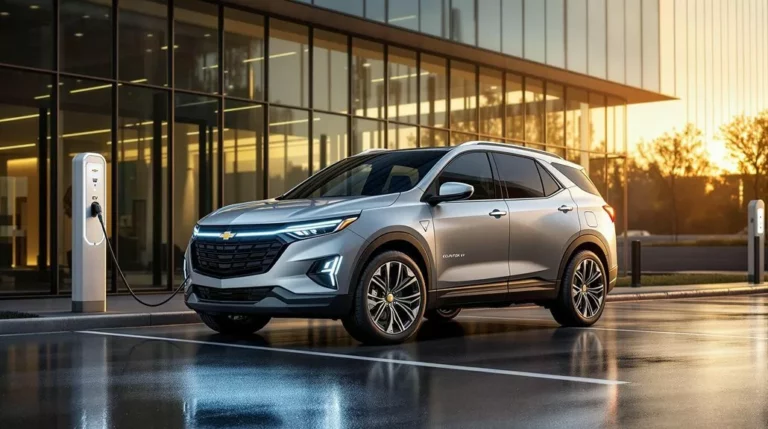

The cheapest electric cars in 2025 start with the Nissan Leaf at $28,140, though it won’t qualify for federal tax credits. The Chevrolet Equinox EV costs $33,600 after the $7,500 tax credit and offers 319 miles of range. Ford’s Mustang Mach-E Premium starts at $39,995 with 300 miles per charge. Budget buyers can find used Tesla Model 3s around $25,000. More affordable options with impressive ranges continue to enter the market. As the demand for electric vehicles grows, manufacturers are unveiling a range of mustsee electric cars 2025 that cater to diverse preferences and budgets. New releases from brands like Hyundai and Kia are also attracting attention with their competitive pricing and advanced features. These developments signal a promising future for eco-friendly transportation, making electric cars more accessible than ever. As the electric vehicle market expands, consumers are increasingly looking at options that offer both affordability and range. This growing interest has led to a surge in longestrange electric cars comparison, highlighting the most efficient models available. With advancements in battery technology, even budget-friendly vehicles are starting to compete with higher-end options in terms of range and performance.
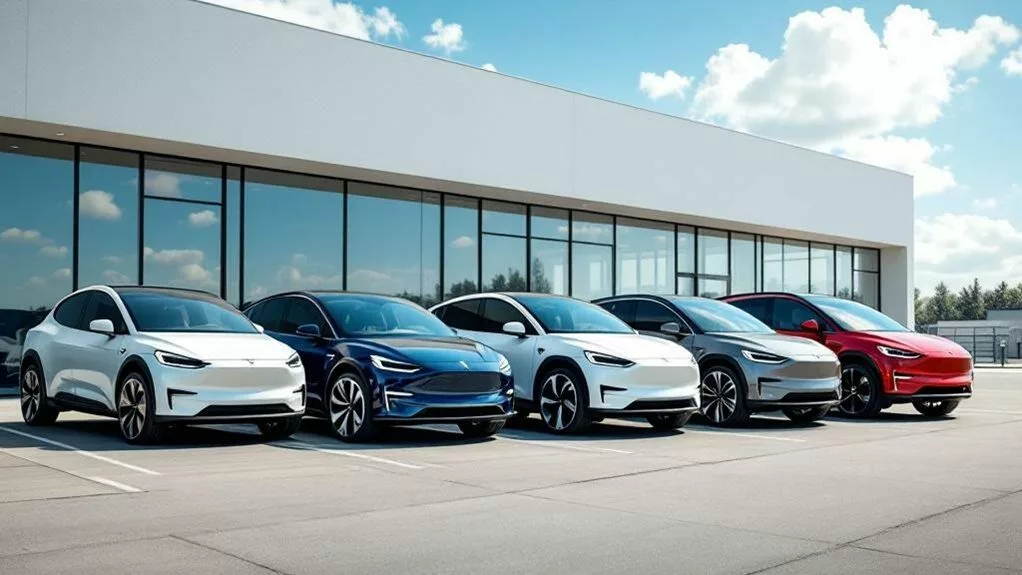
As electric vehicles become more mainstream in 2025, car buyers can choose from several affordable options that cost less than $40,000. The cheapest new electric car is the Nissan Leaf, starting at $28,140. It offers between 149 and 212 miles of range depending on the model. However, it uses older CHAdeMO charging ports, which limits public charging access. The Leaf loses eligibility for federal EV tax credits in 2025, which affects its overall affordability compared to competitors.
The Nissan Leaf remains the most affordable electric vehicle at $28,140, despite limited charging infrastructure compatibility.
The Chevrolet Equinox EV costs $33,600 after the federal tax credit. It provides 319 miles of range and supports fast charging through CCS ports. This makes it practical for longer road trips.
The Ford Mustang Mach-E Premium starts at $39,995 and delivers 300 miles of range. It also supports DC Fast Charging for quick battery refills.
Other affordable options include the Toyota bZ4X and Subaru Solterra. These two companies share the same electric platform. The Hyundai Kona Electric starts at $32,875 and offers between 200 and 261 miles of range. The Kona Electric SE achieves the distinction of being the cheapest new EV with over 200 miles of range before any tax credits are applied.
Tesla’s Model 3 Long Range RWD costs $34,990 after the tax credit and provides 363 miles of range. The Model Y Long Range RWD costs $37,490 after the credit with 337 miles of range. Both Tesla models can access the company’s Supercharger network.
Several models qualify for the $7,500 federal tax credit. These include the Chevrolet Equinox, Tesla Model 3 and Model Y, and Ford F-150 Lightning. The tax credit considerably reduces the purchase price for eligible buyers.
For those seeking used options, the Tesla Model 3 sells for around $25,000 with over 300 miles of range. Nearly 50% of used electric vehicles are priced under $25,000, creating opportunities for budget-conscious buyers. Other used models like the Hyundai Ioniq 6 and Kia EV6 Light may also be available.
Looking ahead to 2025, new models will expand choices. The Nissan Ariya starts at $41,190 with 304 miles of range. The Hyundai Ioniq 6 SE offers 300 miles for $42,700. The Kia EV6 Light Long Range provides 310 miles at $45,950.
Electric vehicles now offer practical ranges and competitive prices. With federal tax credits, many models cost less than traditional gas-powered cars while providing lower operating costs.
Frequently Asked Questions
What Tax Credits or Rebates Are Available for Buying Cheap Electric Cars?
Electric car buyers can get federal tax credits up to $7,500 for new vehicles and $4,000 for used ones. These incentives aim to encourage the adoption of electric vehicles and reduce greenhouse gas emissions. Additionally, many states offer their own rebates and incentives, which can further lower the overall cost of purchasing an electric car. For a comprehensive understanding of available benefits, a ‘2025 ev incentives overview‘ can provide valuable information on upcoming changes and opportunities.
New cars must cost under $55,000 and SUVs under $80,000. Used cars can’t exceed $25,000. Buyers’ income must stay below certain limits.
The cars’ batteries need specific American-made parts. Dealers can apply these credits directly at purchase.
The full credit expires after 2025.
How Much Does It Cost to Charge an Electric Car at Home?
Home charging costs for electric cars vary by location and vehicle efficiency. The average U.S. residential electricity rate is 17 cents per kilowatt-hour.
Most EVs cost about 5.4 cents per mile to charge at home. For 1,000 monthly miles, owners typically pay $56 to $70.
That’s compared to about $300 for gas cars. Installation of a Level 2 home charger runs $1,200 to $2,500. While the initial investment for a Level 2 charger may seem steep, it can significantly reduce charging time compared to level 1 electric vehicle charging, which typically relies on standard household outlets. Furthermore, many homeowners may qualify for incentives or rebates that can help offset these costs, making the transition to electric vehicles more financially feasible. Overall, the long-term savings on fuel and maintenance for electric vehicles can outweigh the upfront installation expenses.
What’s the Typical Battery Replacement Cost for Affordable EVS?
Affordable electric car battery replacements typically cost $3,000 to $12,000.
Compact models like the Nissan Leaf run $3,000 to $8,000.
Mid-size EVs like the Hyundai Kona cost $8,000 to $12,000.
Hybrid batteries are cheaper at around $2,700.
These prices include parts and labor.
Battery size determines cost – larger batteries mean higher bills.
Most owners won’t need replacements since warranties cover 8-10 years.
Can I Install a Home Charging Station in an Apartment or Rental?
Many apartment renters face challenges installing EV charging stations. They’ll need their landlord’s permission first.
The building’s HOA must also approve the installation. Costs can run high when electrical upgrades are needed.
Some landlords see benefits though. They’re adding chargers to attract eco-friendly tenants. Government rebates help lower expenses.
Renters without assigned parking spots face the biggest obstacles. Building owners control whether charging stations get installed.
How Do Cold Weather Conditions Affect Cheap EV Battery Range?
Cold weather notably reduces electric vehicle battery range. At 40°F, batteries start losing power.
One tested EV lost 24% of its range at 12°F. The problem isn’t permanent damage—it’s slower chemical reactions inside batteries.
Cabin heating makes things worse, using 2.5 times more energy than driving in mild weather.
Short winter trips with frequent stops can cut range by 50%. Batteries work best around 70°F.