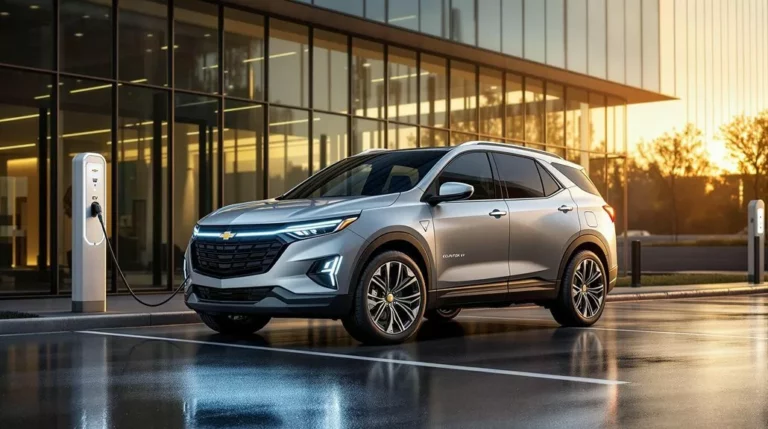

Electric cars now feature Level 3 autonomous driving that handles highway travel, lane changes, and parking without human control. Advanced systems use cameras, radar, and LiDAR sensors to detect surroundings while AI monitors driver alertness. Voice assistants control routing and climate settings hands-free. Cars share hazard warnings through 5G connections and receive software updates wirelessly. These technologies work together to create safer, smarter vehicles that change how people travel.
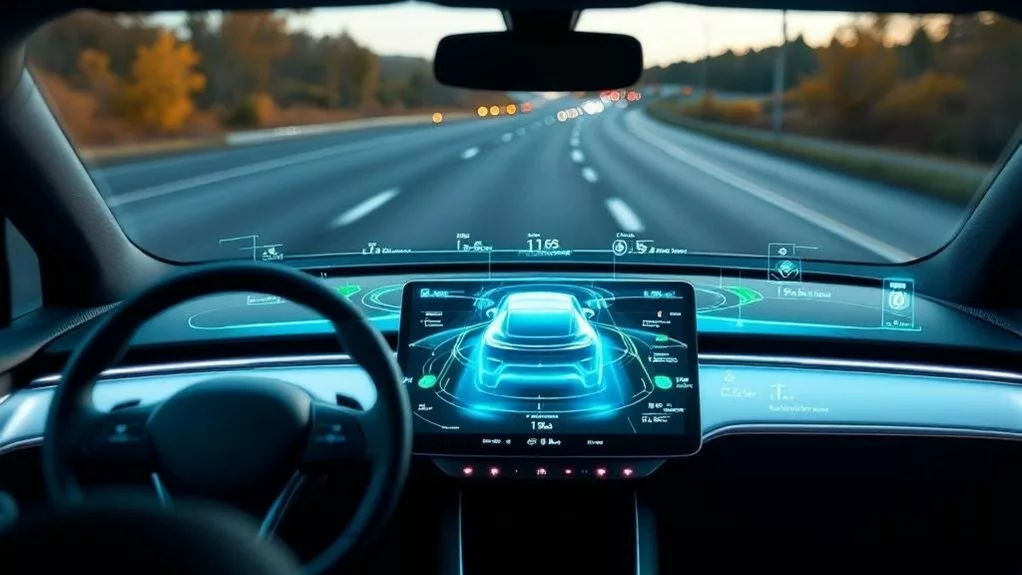
Electric cars aren’t just going green anymore – they’re getting smarter too. Today’s electric vehicles come packed with artificial intelligence and autonomous features that alter how people drive and interact with their cars. This technological evolution marks a significant shift in the history of electric vehicles, showcasing how far they’ve come from their early days. As manufacturers continue to innovate, the integration of smart systems not only enhances safety but also improves overall user experience. With features like real-time traffic updates and predictive maintenance alerts, electric cars are redefining convenience on the road.
Modern electric cars use advanced driver assistance systems to keep passengers safe. These systems monitor drivers for signs of fatigue or distraction. When the car detects a problem, it alerts the driver to take a break or pay attention. The vehicles also use multiple sensors including radar, cameras, and LiDAR to create a complete view of what’s happening around them. This technology helps prevent collisions by spotting pedestrians and other cars before accidents happen. Adaptive cruise control with stop-and-go features maintains safe distances automatically, even in heavy traffic conditions. Additionally, many modern electric cars are equipped with solutions for range anxiety, allowing drivers to monitor their battery levels and locate nearby charging stations seamlessly. These features not only enhance convenience but also provide peace of mind on longer trips. The integration of smartphone apps further facilitates this process by offering real-time updates on available charging spots and estimated charging times.
AI learns each driver’s habits over time. The car remembers favorite routes, preferred temperatures, and music choices. Voice assistants let drivers control routing, climate, and entertainment without touching buttons. A simple command like “take me home” can start routing, adjust the temperature, and play favorite songs all at once.
Level 3 autonomous driving represents a major breakthrough. On highways, these cars can drive themselves temporarily while the driver relaxes. The vehicle handles lane changes, adjusts speed, and responds to traffic conditions. However, drivers must stay ready to take control when needed. Some cars can even park themselves, entering and exiting garages without human help. Companies like Tesla and Waymo lead the development of these self-driving technologies that promise to reduce traffic accidents significantly.
Electric vehicles benefit from special autonomous features. The 800-volt charging systems fill batteries to 80% in under 20 minutes. Solid-state batteries last longer and weigh less than traditional ones. Some EVs can power homes during blackouts through vehicle-to-grid technology. These advancements not only enhance the convenience of electric vehicle usage but also contribute to overall energy efficiency. Adopting EV charging best practices, such as charging during off-peak hours and utilizing renewable energy sources, can further reduce the environmental impact of electric vehicles. As the technology continues to evolve, the integration of smart grid capabilities will allow for even greater energy management and sustainability.
5G connections enable cars to share information instantly. Vehicles warn each other about hazards, creating a safety network on the road. Over-the-air updates keep car software current without visiting dealerships. Connected platforms alert owners when maintenance is needed.
Manufacturers design these smart EVs with sustainability in mind. They use recyclable materials and lightweight frames that save energy. Some models include solar panels for extra range. Affordable options like the Dacia Spring strive to bring autonomous electric driving to more people worldwide.
Frequently Asked Questions
How Much Does Autonomous Technology Add to an Electric Car’s Price?
Autonomous technology adds $1,500 to $2,000 for basic driver-assist features in electric cars.
More advanced systems that let cars drive themselves cost much more. Car companies charge these extra fees on top of the electric car’s base price.
Experts say the self-driving car market will reach $428 billion by 2025. Many buyers still pay the higher prices because they want these high-tech safety features.
Can Autonomous Features Be Retrofitted to Older Electric Vehicles?
Companies can add self-driving features to older electric cars, but it’s complicated. The upgrades need new sensors, cameras, and computers that weren’t built into these vehicles.
Some delivery companies retrofit their vans with basic autonomous features. However, these modifications often cost nearly as much as buying a newer car.
Owners also face challenges getting safety approvals and finding mechanics who can maintain the upgraded systems.
What Happens if Autonomous Systems Fail During Driving?
When autonomous systems fail during driving, several things can happen. The car might make wrong turns or stop suddenly. Safety features like automatic braking could shut off.
Some crashes have happened when sensors didn’t see pedestrians or other cars. Tesla’s system makes an error every three minutes. Drivers must stay alert to take control quickly.
Without human backup, these failures can cause serious accidents.
Do Insurance Rates Change for Electric Cars With Autonomous Features?
Insurance rates for electric cars with autonomous features are changing rapidly.
Today’s EVs cost 23% more to insure than gas cars. But experts say that’ll flip. Self-driving tech could cut insurance costs in half by 2040. That’s because autonomous systems prevent crashes.
Rideshare EVs might see the biggest savings. Per-mile rates could drop from 50 cents to 23 cents.
Early adopters still pay more due to expensive repairs and new technology.
Which Countries Currently Allow Fully Autonomous Electric Vehicles on Roads?
No country currently allows fully autonomous electric vehicles on regular roads.
Switzerland leads with Level 3 cars starting March 2025, but they’re not fully self-driving.
Germany permits Mercedes’ system at low speeds.
China, Japan, and Singapore test robotaxis in restricted zones.
The U.S. has different rules by state. Nevada approved some Level 3 systems.
All countries limit where these cars can go and how fast they can drive.