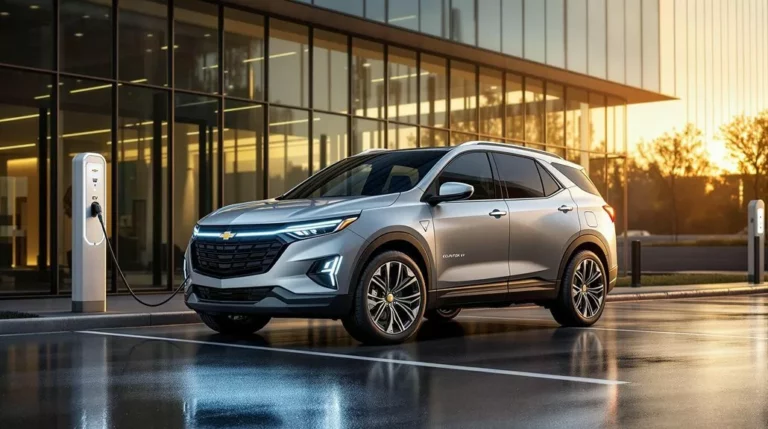

Electric trucks today can pull impressive loads. The Chevrolet Silverado EV tops the list with 12,500 pounds of towing capacity. GMC’s Hummer EV Pickup handles 12,000 pounds, while the Sierra EV manages 10,500 pounds. Smaller electric SUVs like BMW’s iX M60 and Kia’s EV9 GT-Line tow around 5,500 pounds. Battery weight affects these numbers – heavier batteries mean less towing power. Modern EVs include smart features like trailer assist cameras and brake controllers. Engineers continue developing lighter batteries and better infrastructure for electric towing.
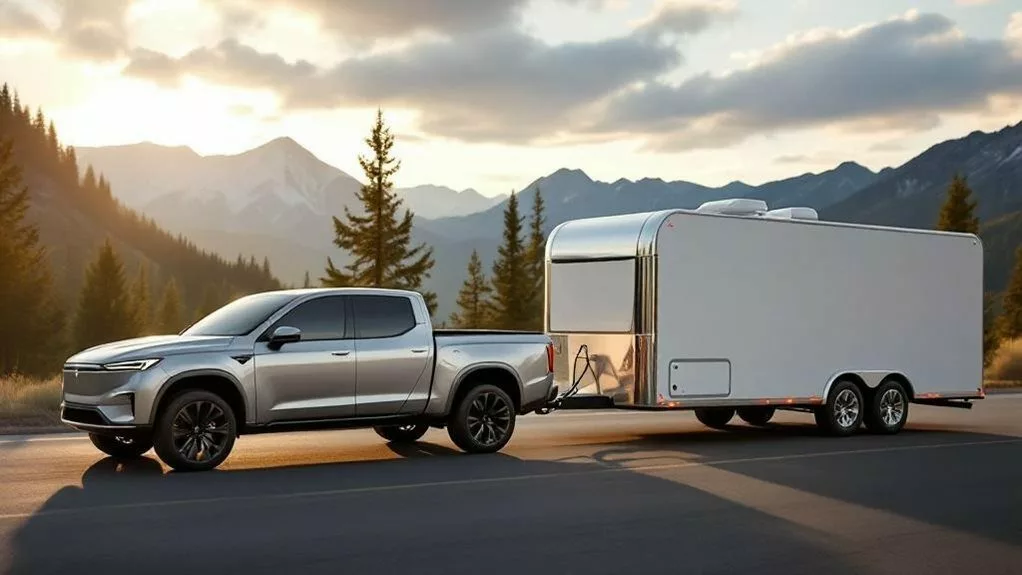
How much can electric trucks really tow? The answer depends on the model, but some EVs can pull impressive loads. The Chevrolet Silverado EV leads the pack with a maximum towing capacity of 12,500 pounds for its Standard and Extended Range versions. That’s enough to haul most boats or travel trailers.
The GMC Hummer EV Pickup 2X comes close, towing up to 12,000 pounds with the right packages. GMC’s Sierra EV can handle 10,500 pounds, making it suitable for midsize trailers and boats. European EVs like the BMW iX M60 and Kia EV9 GT-Line can tow 5,511 pounds, reflecting different regional needs and regulations.
Electric trucks vary widely in towing capacity, from 5,500 to 12,000 pounds depending on model and region.
Battery weight affects towing capacity. The Silverado EV’s Max Range battery pack reduces its towing limit to 10,000 pounds. Heavier batteries mean less towing power. Towing also drains the battery much faster than regular driving. Some battery packs can weigh up to 900 lbs which affects overall towing capacity. Drivers need to plan charging stops carefully when hauling heavy loads.
Modern electric trucks come with advanced towing technology. The Chevy and Sierra EVs feature Trailering Assist Guidelines that help drivers line up their hitches. Most models include integrated trailer brake controllers, which are required by law for trailers over 3,500 pounds. The Sierra EV offers Smart Trailer Integration and Hitch View cameras for better visibility.
The Hummer EV’s Tow/Haul Mode adjusts torque and regenerative braking for safer towing. Its three-motor system produces 11,500 pound-feet of torque, providing plenty of power for heavy loads. The standard two-motor version delivers 570 horsepower while still maintaining impressive towing capabilities. GMC adds Blind Zone Steering Assist that accounts for trailer length. Chevrolet recommends waiting until after the first 500 miles before towing with the Silverado EV to properly break in the vehicle.
Commercial applications are expanding. Ford’s developing an Electric Super Duty for heavy-duty work. Companies already use trucks like the Rivian R1T on construction sites.
The future looks promising for EV towing. Engineers are working on lighter batteries that won’t sacrifice towing capacity. Some companies are investigating swappable battery packs for extended range. More DC fast chargers are appearing along major routes, making long-distance towing more practical. As technology improves, electric trucks will likely match or exceed traditional diesel trucks’ towing abilities. Additionally, the evolution of electric vehicle technology is paving the way for smarter towing systems that can better manage weight distribution and optimize energy usage. With advancements in software and connectivity, these trucks will be able to communicate with trailers, enhancing safety and efficiency during towing. As a result, consumers can expect a range of electric vehicles that not only perform well but also provide an environmentally friendly alternative to traditional towing solutions. Moreover, the growth of ridehailing and electric vehicles is transforming the logistics of transportation, leading to new business models that integrate towing solutions. As these electric platforms become more widely adopted, we can anticipate innovative services that leverage their capabilities for both personal and commercial use. This shift not only stands to benefit the towing industry but also enhances the overall sustainability of our transportation systems.
Frequently Asked Questions
Does Towing With an EV Void the Manufacturer’s Warranty?
Towing with an electric vehicle doesn’t automatically void the warranty. However, manufacturers have strict rules.
They require approved tow bars and specific weight limits. Owners must follow the manual’s guidelines and use designated attachment points. Breaking these rules can cancel warranty coverage.
Problems like motor failures or battery damage from improper towing won’t be covered. Each EV maker has different towing policies that owners must check. It’s also important for owners to familiarize themselves with the associated risks, as improper towing can lead to serious issues beyond just mechanical failures. Additionally, recent electric vehicle fire statistics show that while electric vehicles are generally safe, incidents can occur due to improper handling or towing methods. Understanding both the towing policies and safety measures is crucial for every electric vehicle owner.
Can I Charge My EV While It’s Attached to a Trailer?
Many EV drivers can charge while their trailer’s attached, but it depends on the charging port location.
Tesla’s rear-mounted ports often require unhitching at busy stations. Front-mounted ports work better, letting drivers charge without disconnecting about 75% of the time.
Some newer stations have pull-through lanes designed for vehicles with trailers.
Truck stops like Flying J are adding wider spaces specifically for EVs towing trailers.
How Much Does Installing a Tow Hitch on an EV Cost?
Installing a tow hitch on an electric vehicle costs between $100 and $1,300. The price depends on the car model and hitch type.
Tesla’s official Model Y tow package costs $1,300 with installation. Third-party options like Torklift sell for about $322 without installation.
Labor typically runs $75 to $150. Some EVs need special wiring or software updates, which can increase the total cost.
Are There Special Insurance Requirements for Towing With Electric Vehicles?
Insurance companies haven’t created special requirements for EVs that tow trailers or boats.
Standard auto policies cover towing activities the same way for electric and gas vehicles.
However, EV owners should check their policy’s weight limits and towing coverage.
Some insurers recommend higher liability limits since EVs cost more to repair.
Drivers must follow state towing laws and manufacturer guidelines to keep coverage valid.
Can Regenerative Braking Help When Towing Downhill With an EV?
Regenerative braking does work when towing downhill with electric vehicles. The system converts the trailer’s downward momentum into electricity, charging the battery while slowing the vehicle.
However, it’s not completely efficient. Energy recovery typically maxes out around 50 kilowatts, and full batteries can’t accept more charge.
Extended downhill towing can overheat motors and electrical systems. Most EVs still need traditional brakes for steep descents.