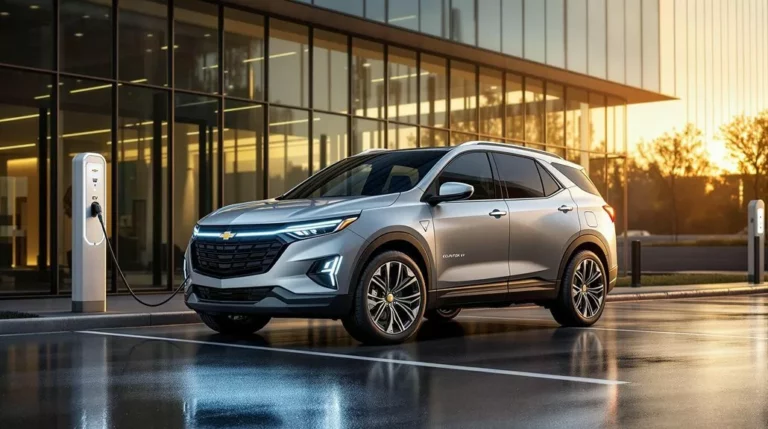

Installing a home EV charger involves checking local building codes and obtaining permits first. Licensed electricians must install a dedicated 100-amp sub-panel with 40-80 amp breakers. They’ll mount the charger 2-4 feet from parking spots at 48 inches high. Workers connect color-coded wires to proper terminals and test voltage levels. The process includes safety inspections and documentation. Each step requires specific tools and compliance with electrical standards. As the installation process progresses, it’s important to consider the evolving landscape of electric vehicle technology and its impact on infrastructure. Understanding the history of electric vehicles can provide valuable insight into advancements in charging solutions and the growing demand for home installations. Once the charger is fully operational, regular maintenance checks should be scheduled to ensure optimal performance and safety compliance. Additionally, homeowners should familiarize themselves with local resources and apps that can help them find EV charging stations nearby. This can be particularly useful for longer trips or when planning outings, ensuring they have access to charging options on the go. By staying informed about available infrastructure, they can maximize the convenience and practicality of their electric vehicle experience.
Installing a home EV charger requires careful planning and professional help. Homeowners must first check their local building codes and NEC Article 625 requirements. Most areas require permits for EV charger installations, and cities often perform electrical inspections afterward. Licensed electricians must handle 220V installations or higher to meet safety standards.
The electrical work begins with installing a dedicated 100-amp sub-panel for Level 2 chargers. Electricians select dual-pole breakers rated between 40 and 80 amps, depending on the charger’s power needs. They run 6 AWG THHN wires or larger through ¾” EMT conduit for protection. The green grounding wire connects to the charging station’s designated terminal.
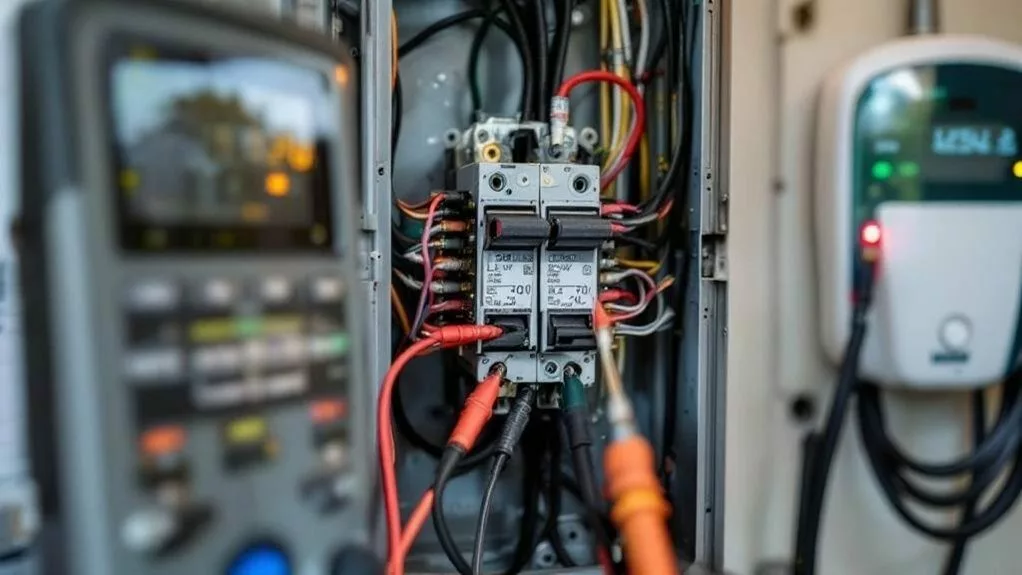
Before starting any work, electricians turn off the main breaker and test for power with non-contact voltage testers. They remove knockout rings carefully to avoid damaging the electrical panel. Workers must follow specific torque specifications when tightening terminal screws, typically 12-14 inch-pounds.
The mounting process involves attaching the charger’s backplate to wall studs using corrosion-resistant screws. Installers position the unit so the outlet sits 2-4 feet from where the vehicle will park. They secure charging cables with M32 cable glands and route them along walls or ceilings to prevent damage. Professional installers typically mount chargers at 48 inches height from the ground for optimal accessibility.
Wire connections follow a color-coded system. Black or red wires connect to L1 and L2 terminals, white goes to neutral, and green to ground. Electricians strip wires and push them fully into terminal holes until they can see the metallic parts, then snap down the levers. They insert 4-pin connectors into the station’s right-side port while pushing the cable upward.
After installation, electricians test the system using multimeters and non-contact testers. They check continuity, phasing, and voltage levels, which should read 240V with a 5% margin. Installers apply strain relief clips to prevent tension on connectors and secure cables without over-tightening covers that could damage insulation.
Many charging stations include security features like cylinder locks or RFID cards to prevent unauthorized use. Installers must replace default labels with correct voltage and ampacity ratings. They keep detailed installation records and marked wiring diagrams for inspection documentation.
Frequently Asked Questions
Can I Install an EV Charger if I Rent My Home?
Renters can install EV chargers, but they’ll need their landlord’s written permission first.
Connecticut requires landlords with many rental units to approve these requests. The UK has similar rules.
Tenants typically pay for installation and upkeep. They might need to remove the charger when moving out.
Some government programs offer money to help with costs. Local permits are often required for the electrical work.
Will Installing an EV Charger Increase My Property Value?
Studies show EV chargers enhance property values. Homes gain 3-7% in value with chargers installed.
Commercial properties see bigger jumps, up to 15%. A 30-unit apartment building’s value can rise by $360,000.
Older buildings benefit more than newer ones. Properties near charging stations also gain value.
Buyers and renters who want EV chargers typically earn over $75,000 yearly and have college degrees.
How Much Will My Electricity Bill Increase With Regular Charging?
Most EV owners see their electricity bills jump by $56 monthly.
That’s based on driving about 1,123 miles each month. The average cost runs 5 cents per mile when charging at home.
Yearly, drivers spend around $674 for home charging. Bills vary widely depending on local electricity rates. Some regions charge more, while others offer special EV rates that can lower costs considerably. Additionally, it’s important to consider home ev charger installation costs, which can affect the overall expense of owning an electric vehicle. Depending on the complexity of the installation and local labor rates, these costs can range from a few hundred to several thousand dollars. Investing in a home charger can ultimately lead to significant savings on electricity bills over time, especially in areas with favorable rates.
Can I Charge Non-Tesla Vehicles With a Tesla Wall Connector?
Tesla Wall Connectors can charge non-Tesla electric vehicles, but it depends on the model.
Generation 3 units work with all EVs when set to “universal” mode during setup. Generation 2 units only work with Teslas. Some non-Tesla cars need adapters to connect.
The charger delivers up to 48 amps of power. Non-Tesla owners can’t use Tesla’s app features for scheduling or monitoring their charging sessions.
Are There Any Tax Incentives for Installing Home EV Chargers?
Yes, tax incentives exist for home EV charger installations.
The federal government offers a 30% tax credit on installation costs, up to $1,000, through June 2026. This covers hardware and labor expenses.
Some states provide additional rebates. California’s PG&E offers 50% rebates for standard customers and 100% for income-qualified households.
Homeowners must install chargers at their primary residence and keep receipts for tax filing.