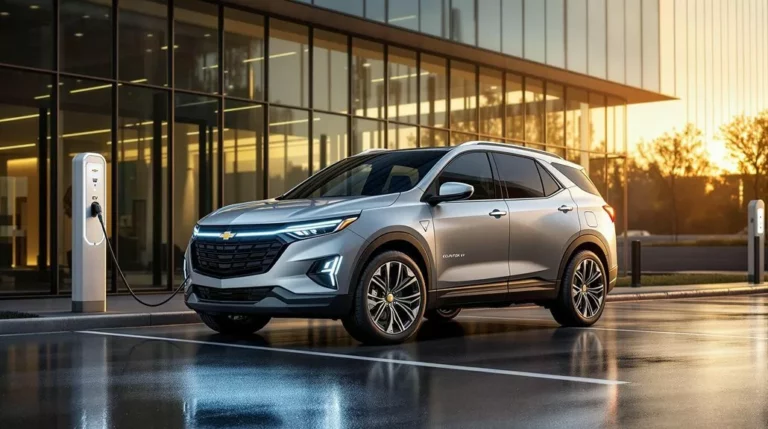

The U.S. EV charging market is expected to hit $100 billion by 2040, but major obstacles remain. High installation costs keep small businesses out. The electric grid can’t handle the growing demand, which could increase twenty times by 2030. Rural areas lack charging access. Smart charging systems and energy storage offer solutions, while federal and state programs provide billions in funding. Industry experts are developing new technologies to tackle these challenges.
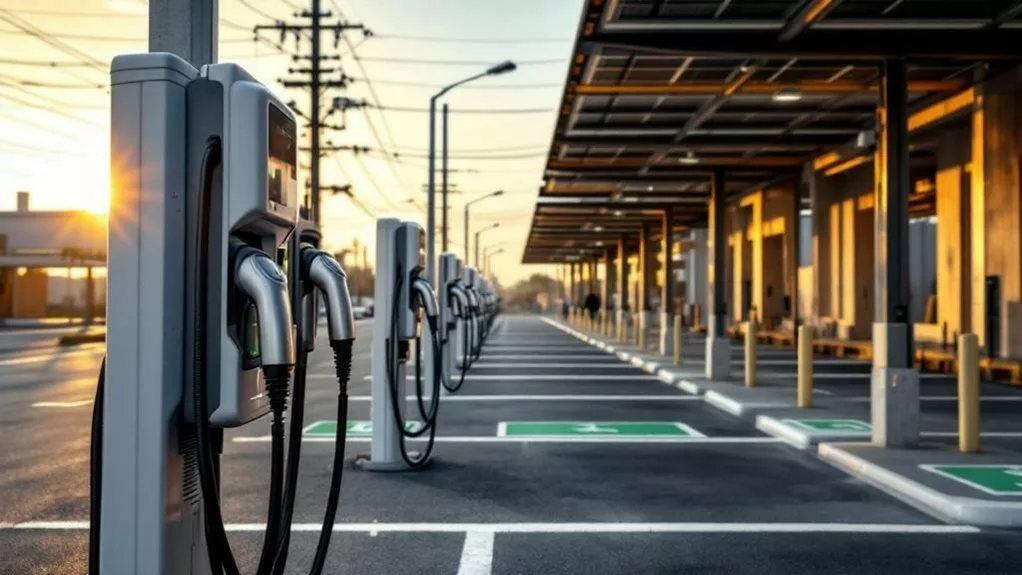
As electric vehicles become more popular across America, the infrastructure to charge them is growing rapidly. The market for EV charging equipment could reach $100 billion by 2040. Global public charging points jumped by over 30% in 2024, showing how fast this industry’s expanding. The increasing adoption of electric vehicles is further supported by advancements in battery technology and renewable energy integration. As we look at the evolution of electric vehicles timeline, it’s clear that significant milestones have been achieved, attracting more consumers to consider EVs as viable alternatives to traditional vehicles. With continued investment and innovation, the future of transportation seems poised for a major transformation. Moreover, the rise in fleet electric vehicle adoption trends highlights the growing recognition of EVs for commercial use, as businesses increasingly seek to reduce their carbon footprint and operational costs. This shift is further driven by government incentives and regulatory frameworks that encourage corporate fleets to transition to electric models. As a result, we can expect accelerated growth in both private and public sectors, paving the way for a sustainable future in transportation.
The federal government’s putting big money into charging networks. The 2021 Infrastructure Act provides $7.5 billion for building chargers nationwide. States are adding their own programs too. California’s working to install over 40,000 new charging ports. New York’s Central Hudson program offers $21 million to cover charger costs. The Bay Area’s giving out $7 million in grants for commercial charging stations.
Different companies control different parts of the charging market. By 2030, car dealers and EV sellers will handle 70% of home charger sales. Installers dominate the on-the-go charging market with 80% control. They also manage 45% of chargers in public parking lots and apartment buildings. Charge point operators are predicted to capture 65% of market value by 2040, making them the largest revenue generators in the industry.
Car dealers will capture 70% of home charger sales while installers dominate public charging infrastructure
But there’s still plenty of challenges. Installing and maintaining chargers costs a lot, which makes it tough for small businesses to participate. The electric grid’s struggling to keep up. Energy demand from EVs could increase twenty times by 2030. Some areas have better charging access than others because infrastructure needs vary by region. EV charging infrastructure improvements are essential since maintenance costs for electric vehicles are 30-50% less than gas vehicles, making widespread adoption more attractive to consumers.
Technology companies are working on solutions. AC chargers save money for homes and businesses. Smart charging systems help manage when cars charge to avoid overloading the grid. Energy storage systems handle peak demand times. Utilities run programs that balance the grid when lots of EVs charge at once. Industry leaders at EV Charging Infrastructure USA 2025 are sharing in-depth presentations on these emerging technologies and market strategies. These advancements not only enhance efficiency but also contribute to a more sustainable energy ecosystem. The smart charging technology advantages include reducing energy costs and enabling better integration of renewable energy sources. As adoption grows, these innovations are expected to play a crucial role in minimizing the environmental impact of electric vehicles.
The future looks promising but challenging. By 2030, global EV charging could need 53 billion kilowatt-hours of electricity. The federal government wants half of all new cars sold to be electric by then. California’s planning to have 5 million EVs on its roads by 2030.
Meeting these goals means fixing the grid and building more fast chargers for long trips. The charging industry’s growing quickly, but it’ll need continued investment and innovation to keep pace with America’s shift to electric vehicles.
Frequently Asked Questions
How Much Does It Cost to Install a Home EV Charger?
Installing a home EV charger costs between $800 and $2,500 for most families.
The charger itself runs $400 to $1,200. Electricians charge $400 to $1,300 for labor. Permits add another $50 to $300.
Some homes need electrical panel upgrades that cost $500 to $2,000 extra.
Simple installations near the electrical panel cost less. Complex jobs requiring long wire runs or major electrical work cost more.
Can I Use a Regular Household Outlet to Charge My Electric Vehicle?
Regular household outlets can charge electric vehicles using Level I charging.
These standard 120-volt outlets deliver 2-5 miles of range per hour. That’s much slower than Level II chargers.
Drivers must use certified charging equipment and avoid sharing outlets with other appliances.
Older homes might have wiring that can’t handle the load. Many EV owners upgrade to faster 240-volt charging systems for convenience.
How Long Do EV Charging Stations Typically Last Before Needing Replacement?
EV charging stations typically last about 10 years on average.
Level 1 and wall-mounted chargers can work for 10-15 years.
Level 2 and Level 3 fast chargers often last over 20 years with proper maintenance.
Public chargers may wear out faster due to heavy use and weather exposure.
Regular upkeep helps extend their life.
Signs of aging include slower charging speeds, physical damage, and frequent error messages.
Are EV Charging Apps Compatible Across Different Charging Network Providers?
EV charging apps aren’t fully compatible across different networks. Most major providers like ChargePoint and Electrify America require their own apps.
Some aggregator apps like PlugShare show stations from multiple networks but can’t always start charging sessions. Tesla’s Superchargers work only with Tesla vehicles.
While Europe has better compatibility through OCPP standards, U.S. drivers often need several apps to access all available charging stations.
What Happens if My EV Runs Out of Battery on the Highway?
When an EV’s battery dies on the highway, the car loses power and can’t move.
Drivers should pull over safely and turn on hazard lights. They’ll need to call roadside assistance for a tow to the nearest charging station.
Unlike gas cars, EVs can’t be jump-started to restore the main battery.
Some EVs have backup systems that let drivers reach the shoulder before complete shutdown.