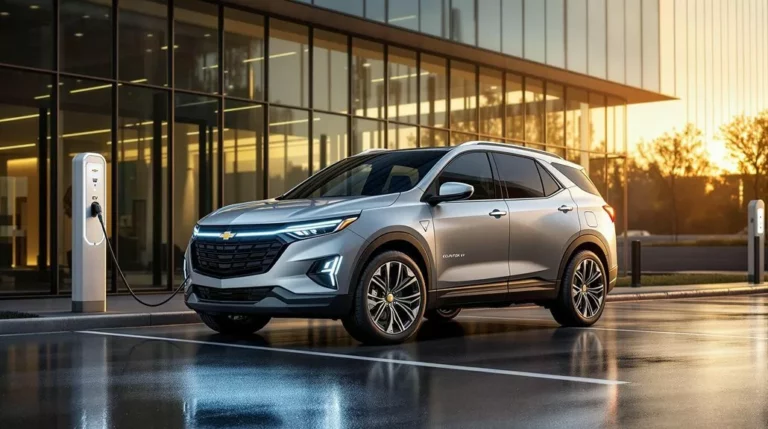

Vehicle-to-grid technology lets electric vehicles send power back to the electricity grid through special two-way chargers. When plugged in, EVs can supply electricity during high-demand periods and help prevent blackouts. The technology works by allowing cars to act as mobile batteries, storing excess renewable energy and releasing it when needed. Power companies save money on infrastructure while EV owners earn credits for sharing their battery power. This system could revolutionize how communities manage electricity. Additionally, as this technology expands, it opens up new possibilities for offgrid electric car charging solutions, enabling EV owners in remote areas to harness renewable energy effectively. By integrating vehicle-to-grid systems with solar panels and energy storage, communities can enhance resiliency and reduce reliance on traditional power sources. Ultimately, this innovation not only promotes sustainability but also empowers consumers to take control of their energy usage and contribute to a greener future.
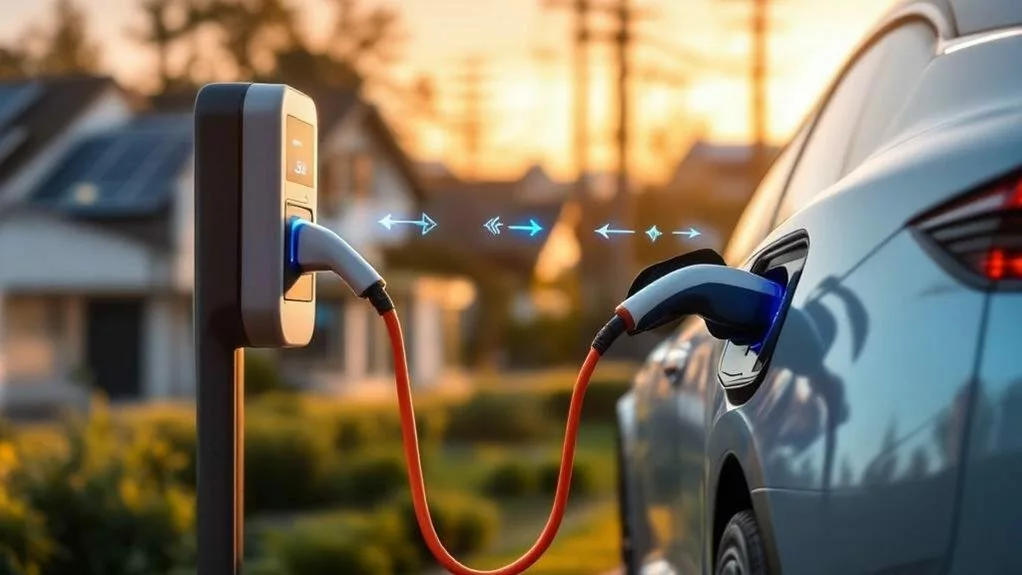
When electric vehicles aren’t being driven, they could soon help power entire neighborhoods through a system called vehicle-to-grid technology. This system lets EV batteries send electricity back to the power grid when it’s needed most. This innovative approach not only enhances the efficiency of energy distribution but also plays a critical role in stabilizing the grid during peak demand periods. As we look back at the history of electric vehicles, it’s clear that their evolution has paved the way for sustainable energy solutions and smarter cities. By integrating EVs into our energy infrastructure, we can move closer to a cleaner and more resilient future. This synergy between renewable energy and electric vehicles allows for a seamless transition towards a more sustainable power grid. As more EVs participate in vehicle-to-grid systems, they can store excess energy generated from renewable sources, ensuring that it can be utilized when demand peaks. Ultimately, this creates a robust ecosystem that not only reduces reliance on fossil fuels but also empowers communities to actively engage in their energy consumption.
The technology works because most cars sit parked about 90% of the time. During these idle hours, EVs can act like mobile power banks. When the grid needs extra electricity, these vehicles can supply it. When there’s excess power available, they can store it for later use.
Electric vehicles can act like mobile power banks during their 90% idle time, supplying electricity when needed.
This two-way charging system helps solve a major problem with renewable energy. Solar panels don’t generate power at night, and wind turbines stop when the air is still. EVs can store clean energy when it’s plentiful and release it when renewable sources aren’t producing. By 2030, experts expect 200 million electric vehicles worldwide could create a massive decentralized battery network.
Power companies see big benefits in this technology. During hot summer afternoons when everyone’s running air conditioners, EVs could prevent blackouts by feeding power back to stressed grids. The vehicles can also respond in milliseconds to help regulate the grid’s frequency and distribute electricity where it’s needed most. Studies show that V2G technology can reduce the peak-valley load difference by as much as 50%, smoothing out the daily fluctuations in energy demand.
EV owners can earn money by participating. They’ll receive credits for sending power during peak hours when electricity prices are highest. Utilities estimate they’ll save about $600 per vehicle over its lifetime by avoiding expensive infrastructure upgrades. Owners can also lower their bills by charging during cheaper off-peak times. Through V2G software, drivers can customize when their vehicles charge and export energy based on their personal schedules and preferences.
But the technology faces several obstacles. Cars need special bidirectional chargers that cost more than regular ones. The power grid needs upgrades to communicate with millions of vehicles. There’s also concern that frequent charging and discharging could wear out EV batteries faster.
Regulations haven’t caught up with the technology yet. Different regions have different rules about selling power back to the grid. Companies are still working on standards so all EVs and chargers can work together.
Despite these challenges, many experts believe vehicle-to-grid technology will become common as more people buy electric vehicles and power grids modernize.
Frequently Asked Questions
How Much Money Can I Earn From V2G Participation Annually?
V2G participants’ annual earnings vary widely. Early adopters in pilot programs report making $100 to $3,000 yearly.
Earnings depend on local electricity rates, participation hours, and utility payment structures. Some regions offer monthly auctions where EV owners bid to supply power. Others pay per kilowatt-hour discharged.
Government incentives and reduced charging costs enhance overall savings. However, many areas don’t have V2G programs yet, limiting earning opportunities.
Does V2G Technology Void My Electric Vehicle’s Battery Warranty?
V2G technology doesn’t automatically void battery warranties, but it’s complicated.
Most EV warranties cover 8-10 years regardless of usage. However, some manufacturers might consider V2G “non-standard use.”
Car companies are updating warranty terms to address V2G participation. They may require users to follow specific charging rules.
Deep discharges below 20% or frequent cycling could affect coverage. Future warranties will likely include clear V2G clauses.
Which Specific EV Models Currently Support Bidirectional Charging Capabilities?
Several EV models now offer bidirectional charging.
American brands include Ford’s F-150 Lightning and Chevy’s Silverado EV.
Asian manufacturers provide the Hyundai Ioniq 5 and 6, plus Kia’s EV6.
European options feature Volkswagen’s ID.4 and Polestar 3.
Tesla’s Cybertruck also supports this feature.
GM plans to add bidirectional charging across its entire EV lineup by 2026.
Tesla expects universal compatibility by 2025.
What Equipment Installation Costs Should I Expect for V2G Setup?
Equipment installation for V2G systems costs vary widely.
AC V2G chargers cost much less than DC versions. Level 2 charging stations run $500-$5,000. Bidirectional inverters, smart meters, and special cables add to expenses.
Electrical upgrades can account for 30-50% of total costs. Site preparation, permits, and labor increase the price.
Federal tax credits up to $100,000 and state incentives help offset these investments.
Are There Tax Incentives Available for V2G System Installation?
Tax incentives for V2G systems aren’t clearly defined yet.
Federal EV tax credits up to $7,500 expire in September 2025. Infrastructure tax credits might cover V2G equipment since it’s considered grid-enhancing technology.
California offers rebates for charging infrastructure that could include bidirectional systems.
V2G installations must meet safety standards and prove grid connectivity to qualify.
Future incentives remain uncertain as lawmakers haven’t specifically addressed V2G technology.