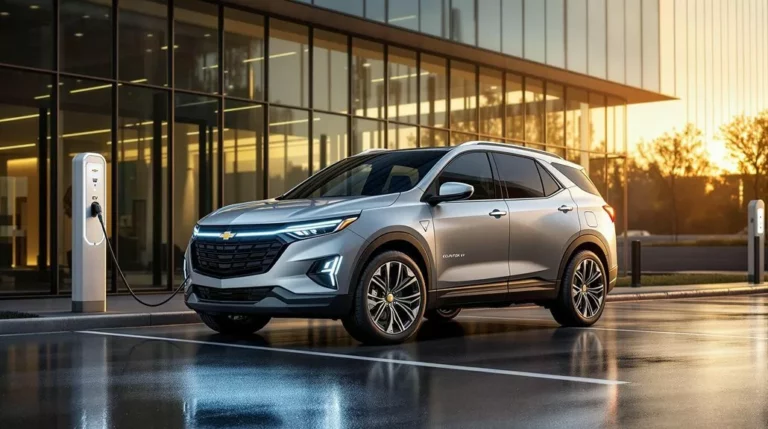

The Genesis Electrified GV60 earned the IIHS Top Safety Pick+ award, the highest honor for 2024 models. The Hyundai Ioniq 6 also received recognition for its exceptional 140 MPGe efficiency rating. The Audi Q4 e-tron and its Sportback variant achieved Top Safety Pick status. The Volvo XC40 Recharge stands out with its 8-speed automatic emergency braking system. More electric vehicles are undergoing rigorous crash testing as safety organizations develop new evaluation standards.
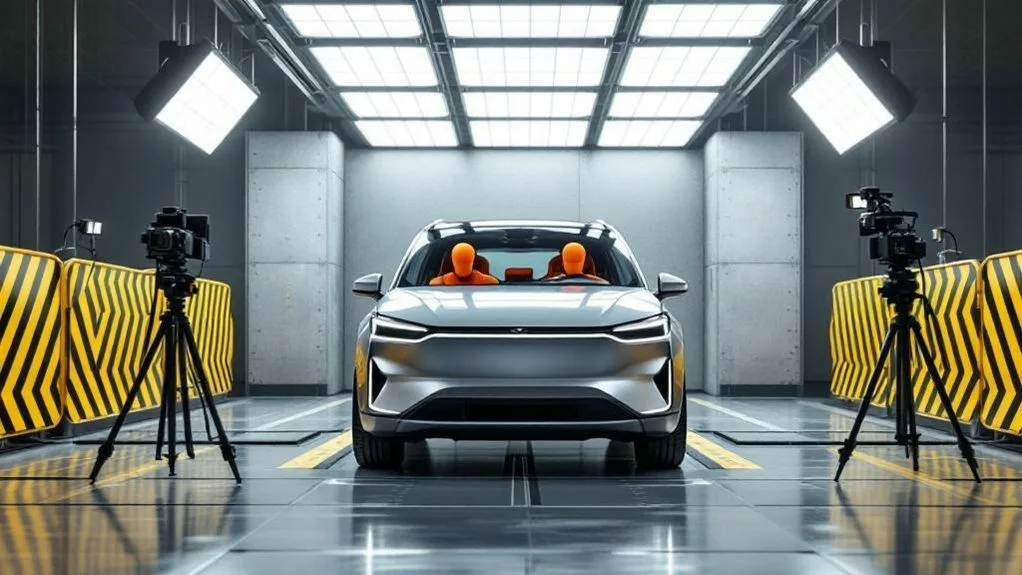
While electric vehicles promise cleaner transportation, new crash data reveals they’re facing unique safety challenges on American roads. A University of Limerick study found EVs are 4% more likely to have at-fault insurance claims compared to regular cars. The instant torque delivery in electric cars may contribute to these higher collision rates as drivers aren’t used to such rapid acceleration.
The Kia Soul EV tops the list of crash-prone electric vehicles with a 15.14% accident rate. The Chevrolet Bolt EUV follows at 11.75%, while the Volkswagen ID.4 has an 11.68% crash rate. These numbers highlight the learning curve drivers face when switching to electric vehicles.
Electric vehicles show concerning accident rates, with Kia Soul EV leading at 15.14% as drivers adapt to new technology.
Despite these concerns, several 2024 electric models earned top safety awards. The Genesis Electrified GV60 received the IIHS Top Safety Pick+ award. It features dual-motor all-wheel drive and a 247-mile range. The Hyundai Ioniq 6 also earned recognition with its 140 MPGe rating, making it one of the most efficient electric vehicles tested.
The Audi Q4 e-tron and its Sportback variant also earned Top Safety Pick status, offering 265 miles of range and standard lane-keeping assist.
The Volvo XC40 Recharge impressed testers with its 8-speed automatic emergency braking system and earned IIHS Top Safety Pick recognition. The Polestar 2 underwent IIHS testing and offers 286 miles of range with flexible cruise control.
Safety testing involves rigorous procedures. NHTSA evaluates frontal, side, and rollover crashes using standardized barrier impacts. They compare frontal crash ratings only within vehicle weight classes of 250 pounds. The heavier weight of EVs poses additional challenges for existing roadway safety infrastructure designs.
The IIHS performs vehicle-to-pedestrian tests at 12 and 25 mph using both low and high beams. Tesla’s Model Y demonstrated strong pedestrian protection. Its automatic emergency braking reduced impact speed by 24 mph during 25 mph pedestrian tests. The system works better with high beams activated.
Collision repair costs remain a concern. Hybrid and electric vehicles average between $4,726 and $5,583 for collision severity costs in the U.S. Canadian repair costs run higher at $6,104 to $6,261.
As more electric vehicles enter the market, IIHS plans additional safety testing. NHTSA’s current 5-star system doesn’t include EV-specific crash test protocols yet. Standardized evaluations for pedestrian detection systems and high-torque drivetrains remain priorities for safety organizations.
Frequently Asked Questions
How Do Electric Vehicle Crash Test Ratings Compare to Gas Vehicles?
Electric vehicles score similarly to gas-powered cars in crash tests. Both types can earn top safety awards from IIHS and NHTSA.
EVs’ heavier weight from batteries doesn’t hurt their ratings. They pass the same tests for front, side, and rollover crashes.
Some electric SUVs like the Audi Q4 match their gas versions’ scores. Weight differences make direct comparisons tricky, but overall safety performance stays comparable between both vehicle types.
Do Heavy EV Batteries Affect Passenger Safety During Crashes?
Heavy electric vehicle batteries don’t hurt passenger safety during crashes.
Car makers build strong frames around battery packs to protect riders. The batteries sit low in the car’s floor, which helps prevent rollovers.
Tests show electric cars protect passengers just as well as gas cars. The extra weight from batteries doesn’t cause more injuries because engineers design special crumple zones and reinforced structures around passenger areas.
Are There Special Rescue Procedures for Crashed Electric Vehicles?
Emergency crews use special procedures when rescuing people from electric vehicle crashes.
First responders disconnect the car’s high-voltage battery to prevent deadly shocks. They use special tools designed for EVs since regular equipment might cause electrical shorts.
Firefighters need extra water and chemicals to put out battery fires that can reignite. Rescuers wear protective gear against toxic fumes.
They also contact EV specialists to safely handle damaged batteries.
How Much Do High Safety Ratings Increase EV Insurance Costs?
High safety ratings don’t typically increase electric vehicle insurance costs. In fact, they often help lower premiums.
Advanced safety features can reduce accidents by up to 40%, which means fewer insurance claims. However, when accidents do happen, repairs cost about $1,030 more for EVs than gas cars.
The expensive technology that makes EVs safer also makes them pricier to fix. Insurance companies balance these factors when setting rates.
Which Safety Features Are Standard Versus Optional on Tested Models?
Standard safety features on tested electric vehicles include automatic emergency braking, lane departure warning, and blind-spot monitoring.
The Audi Q6 e-tron comes with semi-autonomous highway driving as standard equipment. Optional features vary by model.
The Audi Q4 e-tron offers surround-view cameras as an extra-cost option.
Tesla’s Model Y includes basic safety technology standard, but buyers can add the Autopilot system.
The Kia EV9 includes most active safety features without extra charges.