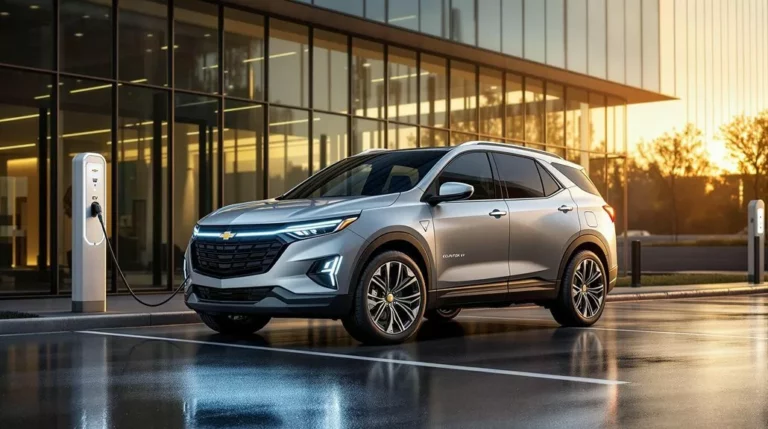

Electric vehicles can now charge using solar power through panels installed at homes or charging stations. The technology works by converting sunlight into electricity that’s stored in batteries or sent directly to the car. Smart charging systems enhance when to use solar versus grid power. Companies like Tesla and SolarEdge offer complete solar EV solutions. While solar charging reduces costs and emissions, backup power sources remain necessary for cloudy days and nighttime. The technology continues advancing rapidly.
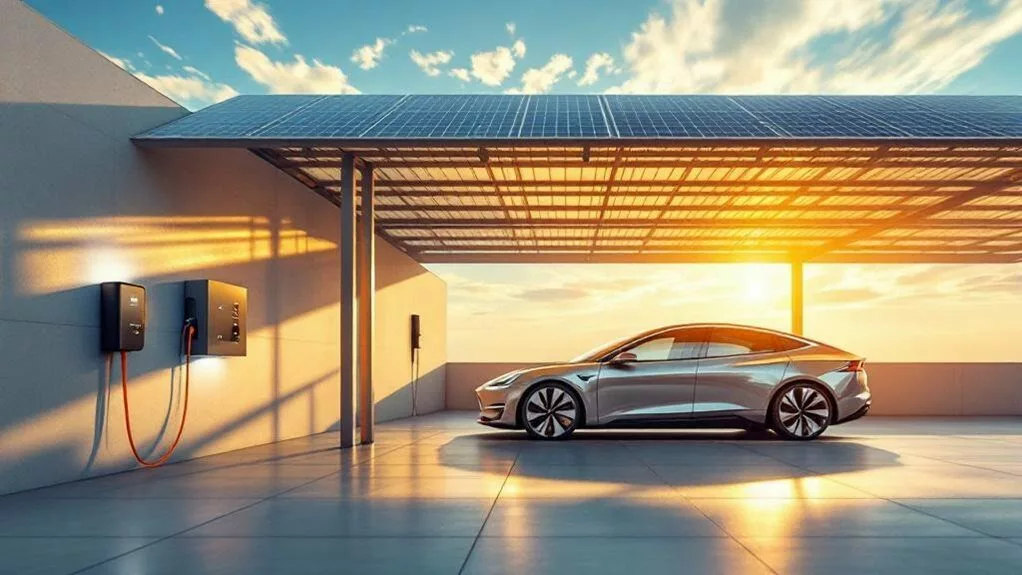
As electric vehicles become more popular, homeowners and businesses are revealing ways to charge them using the sun’s energy. Solar panels on rooftops and carports generate DC electricity from sunlight. Inverters then convert this power to AC for standard EV chargers. Some advanced setups even use wireless charging pads that don’t need physical connectors. These wireless charging systems eliminate the need for tangled cables by using charging pads on the ground that transmit power to receiver coils installed in the EV.
The technology behind solar EV charging continues to evolve. MPPT converters help capture the most energy possible, even when clouds pass overhead. Flexible solar panels can now be installed directly on car roofs and hoods. Smart charging systems prioritize solar power over grid electricity during sunny hours. Some setups skip the AC conversion entirely, using DC-DC converters to charge EVs straight from solar panels. As these advancements take shape, they represent a significant chapter in the history of electric vehicle development. The integration of renewable energy sources not only enhances the sustainability of EVs but also reduces reliance on traditional power grids. With continued innovation, the future of solar EV charging looks promising, paving the way for a cleaner and more efficient transportation ecosystem.
Energy storage plays an essential role in making solar charging practical. Lithium-ion batteries store extra solar power during the day for nighttime charging. Battery Management Systems monitor voltage and temperature to prevent damage. These storage systems can also send power back to the grid when it’s needed most.
Software makes the whole system work together. Apps like Charge HQ connect with home solar systems to automatically shift EV charging to the sunniest parts of the day. OCPP-compatible chargers let owners control charging remotely. Some electric vehicles can even send power back to the grid through vehicle-to-grid technology. Additionally, many cities are beginning to embrace electric car sharing options available to further promote sustainable transportation. These services not only reduce the number of vehicles on the road but also support the integration of renewable energy sources into daily commutes. As more users adopt electric vehicles, the demand for smart charging solutions will continue to grow, creating a more interconnected and efficient energy ecosystem.
The infrastructure for solar EV charging is expanding rapidly. Companies like SolarEdge and Tesla offer integrated systems. Carports with solar panels provide shade while generating power. During power outages, some setups can operate independently as microgrids.
Despite the promise, challenges remain. Solar power isn’t available at night or during cloudy weather, requiring backup options. The upfront costs for panels, batteries, and smart chargers can be steep. Managing battery health requires complex computer algorithms.
Still, the combination of solar power and electric vehicles offers clear benefits. It reduces strain on the power grid and cuts charging costs. Solar charging produces zero emissions during the entire charging process, supporting environmental goals. As technology improves and prices drop, more drivers will likely power their vehicles with sunshine.
Frequently Asked Questions
How Long Does It Take to Solar Charge an EV Fully?
Solar panels can fully charge an electric vehicle in 6 to 14 hours with the right setup.
A 4-kilowatt solar system typically charges a 40-kilowatt-hour battery in 10 hours. However, some EVs need up to 28 days for a complete charge using only sunlight. For many users, understanding the optimal charging times for electric vehicles is crucial for maximizing efficiency. Factors such as weather conditions, sunlight intensity, and the specific battery capacity of the EV can significantly influence charging duration. Therefore, it’s essential to plan charging schedules around these variables to ensure a more reliable energy supply.
The time depends on battery size, solar panel power, and available sunshine. Most drivers don’t need full charges daily since they only use about 10% of their battery.
What Happens to Solar Charging During Cloudy or Rainy Weather?
Solar panels don’t stop working during cloudy or rainy weather, but they produce less electricity.
Light clouds cut power output to about 76% of normal. Heavy clouds drop it to 33%. Rain reduces it even more, down to 10-20%.
This means charging an electric car takes longer. A typical two-hour charge might stretch to four hours in heavy rain.
Many owners use battery storage systems to save sunny-day power for cloudy times.
Can I Use Portable Solar Panels for Emergency EV Charging?
Portable solar panels can charge electric vehicles in emergencies, but they work slowly. A typical 400-watt panel adds only 1-2 miles of driving range per hour in bright sunlight.
Drivers need special equipment including an inverter and battery storage to make it work. These systems help stranded EVs in remote areas get enough power to reach the nearest charging station.
Complete charging takes days, not hours.
How Much Does a Complete Solar EV Charging System Cost?
A complete solar EV charging system costs about £14,500 in the UK.
This includes a 5.9kWp solar panel system for £11,500, a 5kWh battery for £2,000, and a smart charger for £1,000.
Installation adds £900-£1,500 more.
In the US, Level 2 systems run $1,500-$19,999, while commercial DC fast chargers cost $30,000-$200,000.
Prices vary by location, brand, and system size.
Will Solar Panels Damage My EV Battery Over Time?
Solar panels won’t damage EV batteries when properly installed.
Modern EV chargers regulate voltage and current automatically, protecting battery health during solar charging.
Solar typically provides slower AC charging, which is gentler than DC fast charging.
However, faulty inverters can cause voltage spikes.
High daytime temperatures during charging may stress batteries, but parking in shade helps.
Regular equipment inspections and proper maintenance prevent potential issues.