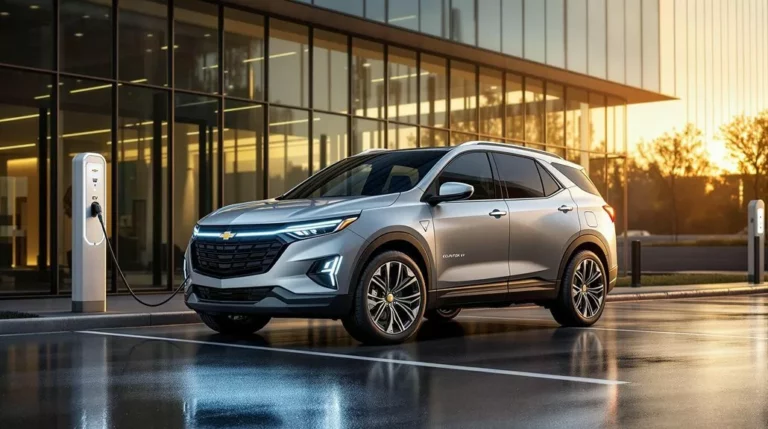

Smart charging technology connects electric vehicles to power grids through data networks. It automatically shifts charging to off-peak hours when electricity’s cheaper and more available. EV owners save money while power companies avoid costly infrastructure upgrades. The system uses AI and cloud platforms to balance energy demand. Vehicle-to-grid technology even lets EVs send power back during shortages. This technology could generate $1 billion yearly in grid benefits as more drivers switch to electric. As the adoption of smart charging technology accelerates, it also transforms the history of electric vehicles by enhancing their role in energy management. This evolution not only contributes to a more sustainable future but also fosters greater consumer confidence in electric transportation. With continuous advancements in technology, the integration of electric vehicles into the energy grid will become increasingly seamless and efficient.
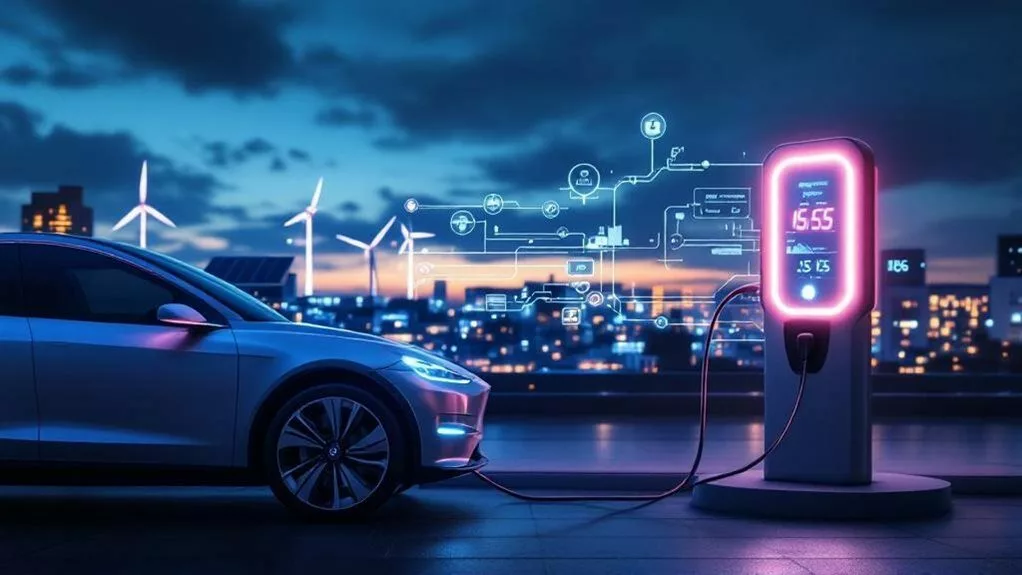
As electric vehicles become more common on roads worldwide, smart charging technology is changing how these cars get their power. Smart charging connects EVs, charging stations, and network operators through data links. This system manages electricity use by monitoring the power grid‘s capacity and moving charging times to off-peak hours.
Smart charging optimizes EV power delivery by shifting electricity use to off-peak hours through intelligent grid monitoring.
The technology works through cloud-based platforms that use AI algorithms to make decisions. When an EV plugs into a smart charger, the station communicates with both the car and the energy network. It shares information about the battery’s charge level and current electricity demand. The system uses dynamic load balancing to adjust charging speeds based on the building’s maximum power capacity and the number of vehicles charging simultaneously. Drivers can use mobile apps to set their charging preferences and take advantage of cheaper off-peak rates.
Smart charging uses several different strategies. In user-managed charging, drivers choose when to charge based on lower electricity prices during off-peak times. With supplier-managed charging, energy companies control when cars charge based on grid conditions and renewable energy availability. Some systems even let EVs send power back to the grid, helping stabilize electricity demand. This vehicle-to-grid technology could generate $1 billion annually in grid benefits with widespread adoption. Additionally, integrating smart charging with dc fast charging benefits for EVs can significantly reduce charging time, making electric vehicles more convenient for users. As more fast charging stations become available, drivers will be encouraged to adopt EVs, further contributing to a decrease in greenhouse gas emissions. Ultimately, these advancements in charging technology will play a crucial role in the transition towards sustainable transportation. Despite the benefits of smart charging, there are notable ev charging infrastructure challenges that need to be addressed. These include the need for increased investment in charging stations and upgrades to the electrical grid to support higher demand. Moreover, ensuring accessibility in urban and rural areas alike will be essential to guarantee that all drivers can benefit from EV technology.
The technology brings real benefits to different groups. EV owners save money by charging when electricity costs less. Power companies don’t need to build as many new power plants or upgrade infrastructure as quickly. Smart charging also helps the environment by using more renewable energy like solar and wind power when it’s available.
Charging stations identify users through RFID tags or smartphone apps. People who aren’t registered can still charge their cars by paying with credit cards. The system tracks each charging session and automatically bills customers based on how much electricity they use and current pricing rules.
Looking ahead, smart charging will become even more important as EV numbers grow. The technology already allows cars to power homes and buildings during outages. Roaming networks let drivers use charging stations from different companies with one account. As more renewable energy comes online, smart charging will help balance supply and demand.
These advances show how smart charging isn’t just about plugging in a car. It’s reshaping how society uses and thinks about energy, creating a more efficient and sustainable transportation future.
Frequently Asked Questions
How Much Does Installing a Smart Home Charging Station Typically Cost?
Installing a smart home charging station typically costs between $550 and $1,383. Most homeowners pay around $965.
The charger unit itself costs $500 to $2,000. Professional installation adds $400 to $1,200.
Complex projects requiring electrical upgrades can reach $2,500. In extreme cases where major electrical work’s needed, costs can exceed $7,500.
Smart features like remote monitoring and scheduling may increase the price.
Can Smart Charging Systems Work With Solar Panels or Home Battery Storage?
Smart charging systems can work with both solar panels and home battery storage. They connect through devices called inverters that change solar energy into usable power.
Smart chargers automatically detect when there’s extra solar power and direct it to the EV’s battery. They’ll also pull from home batteries at night.
Systems like Tesla’s Powerwall 3 and Elli Charger 2 make this process automatic, helping owners save money.
Are Smart Chargers Compatible With All Electric Vehicle Models and Brands?
Smart chargers aren’t compatible with all electric vehicles. Most work with cars using J1772 plugs, which covers 90% of non-Tesla EVs.
Tesla owners need converters to use standard smart chargers. Older Nissan Leafs with CHAdeMO plugs face limited options.
Cars like Ford Mustang Mach-E and Hyundai Kona Electric connect easily to smart chargers. The charging plug type determines whether a car can use specific smart charging equipment.
What Internet Speed Is Required for Optimal Smart Charging Performance?
Smart EV chargers don’t need super-fast internet to work well. Basic charging needs less than 1 Mbps – that’s slower than most home connections.
Features like real-time monitoring and energy optimization require 1-5 Mbps. Video monitoring needs 5-10 Mbps. Multi-charger networks or advanced grid functions use 10-100 Mbps.
Most home internet plans already provide enough speed. Even basic DSL or 4G mobile connections can handle smart charging tasks.
Do Smart Charging Systems Require Ongoing Subscription Fees or Monthly Payments?
Smart charging systems don’t always require monthly fees. Some utilities offer free programs that reward drivers for charging during off-peak hours.
Others charge subscription fees from $6.99 to $12.99 monthly. Free options like DTE Smart Charge and PGE Smart Charging give gift cards or bill credits instead.
Paid subscriptions through companies like EVgo provide faster charging speeds and extra perks. Each system works differently.