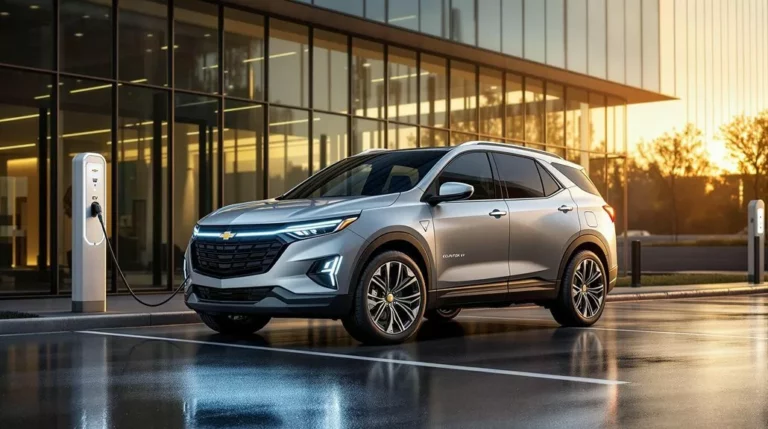

Regenerative braking captures 60-70% of energy normally lost when vehicles slow down, converting motion into electricity instead of heat. This technology markedly reduces brake wear, cutting repair costs and extending brake pad lifespans. It also decreases brake dust pollution in cities. The system protects batteries from damage while improving vehicle stability and safety during deceleration. The regenerative braking market is expected to nearly double from $7.8 billion in 2024 to $15.1 billion by 2030.
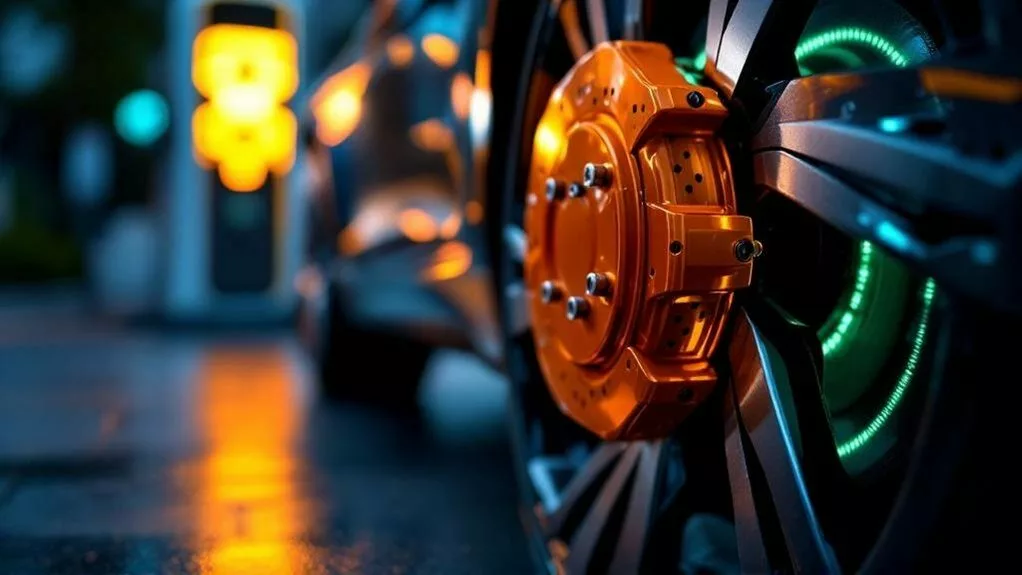
When electric and hybrid vehicles slow down, they don’t just waste energy like traditional cars do. These vehicles use regenerative braking, a technology that captures 60 to 70 percent of the energy that’s normally lost during braking. Instead of turning all that motion into heat through friction, the system converts it back into electricity and stores it in the battery. This recovered energy can then be used to power the vehicle, enhancing its overall efficiency. Moreover, the sustainability of electric vehicles extends beyond their operation; the electric vehicle battery recycling process ensures that the materials used in batteries can be reclaimed and reused, reducing the environmental impact and reliance on virgin resources. This circular approach contributes to a more sustainable future for transportation and energy consumption.
This technology brings major benefits for vehicle owners. Since regenerative braking handles most of the slowing down, regular brake pads and discs last much longer. Car owners spend less money on brake repairs and replacements. They also don’t need to visit repair shops as often for brake maintenance. The reduced wear means fewer brake dust particles get released into the air, which helps keep cities cleaner.
Regenerative braking saves money on repairs while reducing brake dust pollution in cities.
The system also protects the vehicle’s battery. By controlling how energy flows back into the battery during braking, it prevents damage from aggressive charging patterns. This careful management reduces heat stress on battery cells and helps them last longer. The technology works especially well with advanced driver assistance systems, providing better stability during hard braking.
Regenerative braking boosts how vehicles handle on the road. The system distributes braking force between the front and rear wheels more effectively than traditional brakes. It uses motor torque to maintain control when drivers need to slow down quickly. This improved stability makes vehicles safer, particularly when taking corners at higher speeds.
The market for regenerative braking technology is growing fast. Industry experts predict it’ll nearly double from $7.8 billion in 2024 to $15.1 billion by 2030. This growth comes from more people buying electric and hybrid vehicles and stricter government rules about emissions. The technology represents an innovative approach that enhances sustainability in transportation by reducing overall energy consumption.
Engineers keep refining the technology through research. They’re developing smarter control systems using game theory and machine learning. Some new designs put motors directly in the wheel hubs for better energy recovery. These innovations help vehicles capture even more energy and manage power more efficiently. The braking controller automatically selects between series and parallel architectures based on the deceleration rates needed for different driving situations.
As electric vehicles become more common, regenerative braking will play a vital role in making them practical and affordable for everyday drivers. This technology not only increases the overall efficiency of electric vehicles but also extends their range, making them more appealing to a wider audience. Understanding the history of electric vehicle development reveals how innovations like regenerative braking have emerged as essential elements in the push for sustainable transportation solutions. As manufacturers continue to refine this technology, it is likely to further enhance the usability of electric vehicles in daily life. Moreover, the implementation of 2025 electric vehicle policy updates will likely incentivize manufacturers to adopt and improve regenerative braking systems. As more governments prioritize sustainability, these policies could lead to increased funding for research and development in this area. This not only promises to boost the performance of electric vehicles but also to make them a more viable option for the average consumer.
Frequently Asked Questions
Can Regenerative Braking Completely Replace Traditional Friction Brakes?
Regenerative braking can’t fully replace traditional friction brakes in vehicles.
While it recovers up to 50% of braking energy, it can’t handle emergency stops or high-speed braking.
Cold weather reduces its effectiveness, and batteries can’t store unlimited energy.
Heavy loads and downhill driving also require friction brakes.
Safety rules require cars to have both systems.
Engineers say friction brakes remain essential for complete vehicle safety.
How Much Does Regenerative Braking Cost to Install Aftermarket?
Aftermarket regenerative braking systems cost between $5,000 and $15,000 to install. The price includes motor-generator units, high-voltage electronics, and custom control systems.
Labor costs are high because technicians must modify the car’s drivetrain and electrical systems. Few shops offer this service, which drives prices up.
Most gas-powered cars need major upgrades to work with these systems. The investment rarely pays off through brake savings alone.
Does Regenerative Braking Work Effectively in Cold Weather Conditions?
Regenerative braking doesn’t work well in cold weather. Freezing temperatures reduce battery capacity by up to 40%, limiting how much energy the system can capture.
Cold batteries can’t store electricity efficiently. Icy roads also create safety problems, as regenerative braking can cause skidding.
Many electric vehicles automatically reduce or shut off regenerative braking when it’s too cold. Drivers often must rely on traditional brakes until the battery warms up.
Which Vehicle Manufacturers Offer the Best Regenerative Braking Technology?
Several vehicle makers lead in regenerative braking technology.
BMW’s M5 hybrid uses advanced systems in its ₹1.99 Cr model.
Hyundai’s Creta Electric variants feature sophisticated energy recovery with 51.4 kWh batteries.
Toyota’s Camry hybrid excels at capturing brake energy.
Indian companies Olectra Greentech and Tata Motors integrate state-of-the-art regenerative systems in their electric buses and cars.
These manufacturers offer the most effective brake energy recovery technology available today.
Are There Any Safety Concerns With Regenerative Braking Systems?
Regenerative braking systems have several safety issues. Some cars don’t turn on brake lights quickly enough during heavy regen, creating crash risks.
Brake parts can rust and wear unevenly when drivers don’t use regular brakes often. This makes stopping harder when needed.
Some Genesis, Hyundai, Kia, and Mercedes models have delayed brake light problems. Experts say drivers should use regular brakes sometimes to keep them working properly.