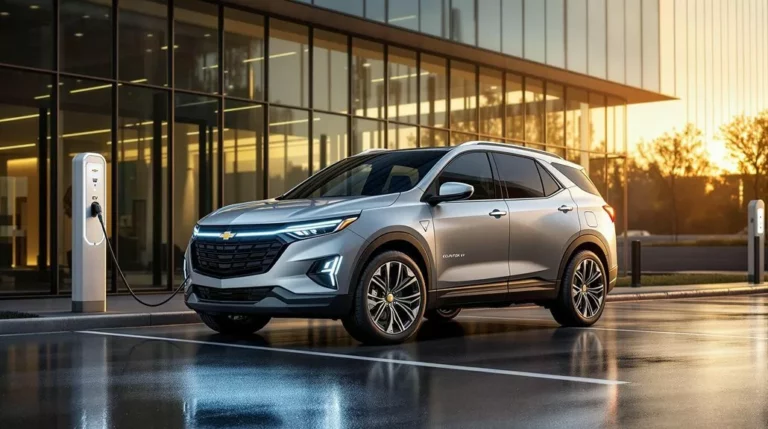

Off-grid charging stations power electric cars in remote areas without traditional electricity connections. They use solar panels, wind turbines, and battery storage systems to generate and store electricity. These stations come in portable containers or fixed installations with solar carports. The market’s expected to reach $16.6 billion by 2034. Hotels, tourist spots, and military operations already use these systems. Smart technology manages the power efficiently, ensuring drivers can charge even during cloudy weather.
What happens when electric car drivers need to charge their vehicles far from power lines? Off-grid charging stations are solving this problem by bringing power to remote areas without traditional electricity connections. These systems use different energy sources and storage methods to charge electric vehicles anywhere. This innovation is crucial as it supports the growing demand for electric vehicles in rural and underserved communities. As part of the broader evolution of electric vehicle technology, these off-grid solutions not only enhance accessibility but also promote sustainable energy use. By utilizing renewable resources like solar and wind, they contribute to a cleaner environment while ensuring drivers can charge their cars wherever they are. Additionally, advancements in vehicletogrid technology explained play a pivotal role in maximizing the efficiency of off-grid charging stations. By allowing electric vehicles to not only draw power but also supply it back to the grid, these systems can help stabilize energy sources in remote areas. This reciprocal flow of energy fosters a more resilient infrastructure while further promoting the adoption of electric vehicles across diverse landscapes. Moreover, as the infrastructure for electric vehicles expands, bidirectional EV charging technology will become vital in integrating these off-grid stations with existing power grids. This technology not only enhances the stability of energy supply in remote areas but also offers drivers a chance to profit from their vehicle’s stored energy during peak demand times. By leveraging bidirectional EV charging technology, communities can create a more dynamic and responsive energy network, further encouraging the transition to electric mobility.
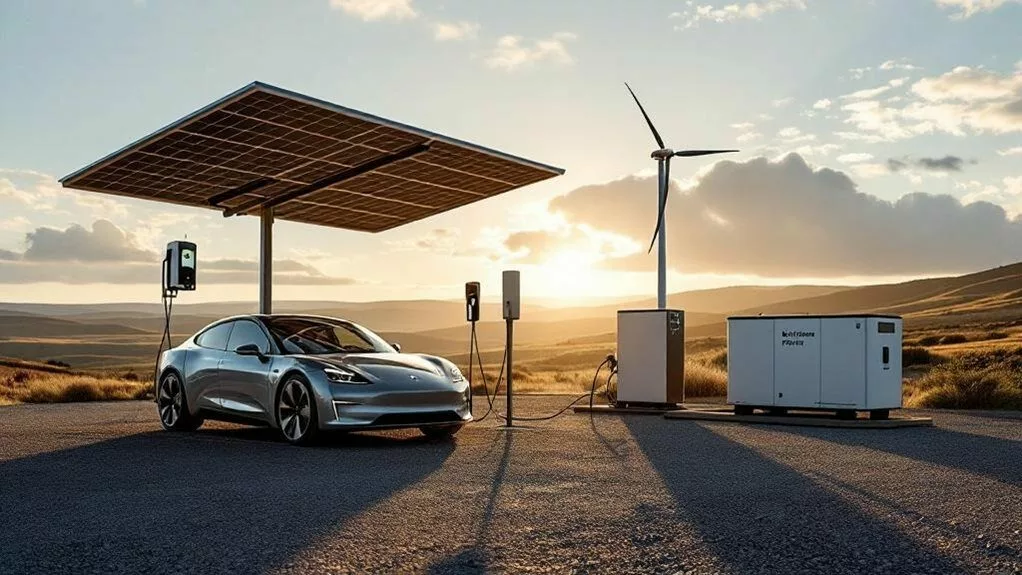
The technology behind off-grid charging varies widely. Some stations run on AC power systems that connect multiple energy sources through a single bus. Others use DC systems that link directly to solar panels without converting power multiple times. Engineers have created portable stations in shipping containers that can move to different locations. Fixed stations often include solar panels built into carports with batteries storing extra energy.
Solar panels paired with battery storage provide the most common off-grid solution. Wind turbines add extra power in windy areas. Some stations burn organic materials in biomass generators or use hydrogen fuel cells. Traditional generators still serve as backups when renewable sources can’t produce enough electricity.
Battery technology plays a vital role in these systems. Most commercial stations use lithium-ion batteries that can quickly charge and discharge. These batteries typically store between 20 and 50 kilowatt-hours of electricity. Smart management systems monitor the batteries and make sure they’re working properly. Stations often install extra battery capacity to handle cloudy days or periods of high demand. Weather conditions can significantly impact these systems, as solar stations produce less energy during storms or extended cloudy periods.
These charging stations serve many purposes. Rural tourist destinations use them to attract electric car drivers. The military utilizes portable units in remote areas. Cities set up temporary stations for special events or fleet vehicles. Hotels and restaurants install them to draw customers. Emergency responders use them when regular power grids fail.
The market for off-grid charging continues growing rapidly. Experts predict it’ll reach $16.6 billion by 2034. More people buying electric cars and investing in renewable energy drives this growth. Companies now focus on hybrid systems that combine different power sources for better reliability.
Businesses make money from off-grid charging through various methods. Some charge premium prices for convenient locations. Others sell advertising space on digital displays. Subscription services offer regular users better rates. Companies like EVESCO offer pre-fabricated stations that businesses can customize to their specific charging needs and deploy quickly without major construction.
Frequently Asked Questions
What Permits or Regulations Apply to Installing Off-Grid EV Charging Systems?
Installing off-grid EV charging systems requires several permits. Builders need local building permits that check if the station meets parking rules.
They’ll need electrical permits for the power systems. Special zoning permits might be required for scenic areas.
The stations must follow accessibility rules like wheelchair access. Some places need environmental permits for solar panels or wind turbines.
Processing times vary by city.
How Much Does a Complete Off-Grid EV Charging Setup Typically Cost?
Complete off-grid EV charging systems cost between $26,000 and $78,000. The price depends on battery size and number of charging ports.
Installation adds about $5,000 more. Federal tax credits can reduce costs by up to 40%.
Systems with larger batteries or two charging ports cost more. Remote locations might need extra equipment, raising prices.
These prefabricated units install in 2-5 days and don’t need connection to power lines.
Can Off-Grid Charging Systems Work Effectively in Cloudy or Low-Sun Regions?
Solar charging systems can work in cloudy areas, though they produce less power.
Panels generate 24% less electricity on light-cloudy days and 67% less under heavy clouds.
Battery storage helps by saving extra power from sunny days. A 10-20kWh battery stores energy for cloudy periods.
Many people use hybrid systems that combine solar with grid power as backup. These setups cost about $0.06 per kilowatt-hour to operate.
What Maintenance Is Required for Solar Panels and Battery Storage Systems?
Solar panels need cleaning 2-4 times yearly to remove dirt and debris.
Owners check for animal nests and inspect connections twice a year. They adjust panel angles seasonally for better sunlight capture.
Battery systems require monthly full charges to maintain capacity. Users monitor temperature and voltage levels regularly.
They inspect terminals for corrosion and test backup generators every three months. Surge protectors and cables also need annual checks.
How Long Does It Take to Charge an EV Using Off-Grid Power?
Off-grid charging times vary widely based on several factors.
Most systems deliver 3.5 to 7 kilowatts, adding 10 to 20 miles of range per hour. A Tesla Model Y might need over six hours for a full charge.
Smaller cars like the Fiat 500 charge faster, taking under two hours.
Weather conditions affect charging speed since cloudy days reduce solar power.
Battery storage capacity often limits how much drivers can charge.