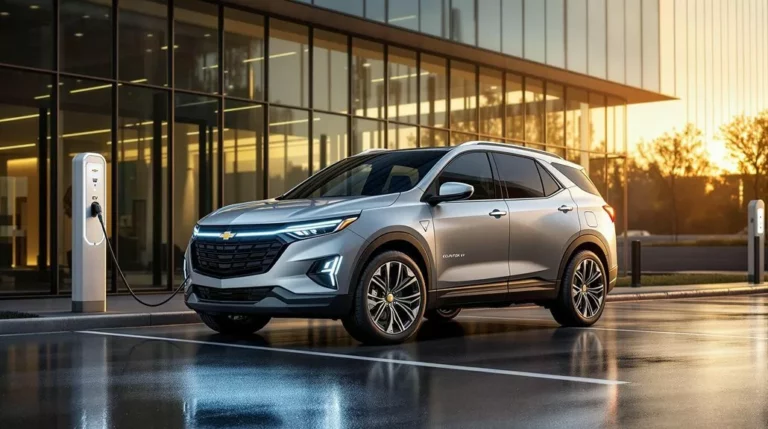

Finding EV charging stations has become easier with smartphone apps and online tools that locate the nearest available ports among the 55,580 charging outlets across the United States. California leads with 44,605 outlets, while New York and Florida follow with thousands more. DC fast chargers can recharge vehicles to 80% in 20-30 minutes. Urban areas have the most stations, though rural coverage continues expanding through federal programs and new installations. Many users rely on the best charging apps for electric vehicles to plan their routes effectively and ensure they have access to charging when needed. These apps provide real-time information about station availability, pricing, and user reviews, enhancing the overall charging experience. As technology progresses, further innovations are expected to improve the infrastructure and convenience for electric vehicle owners.
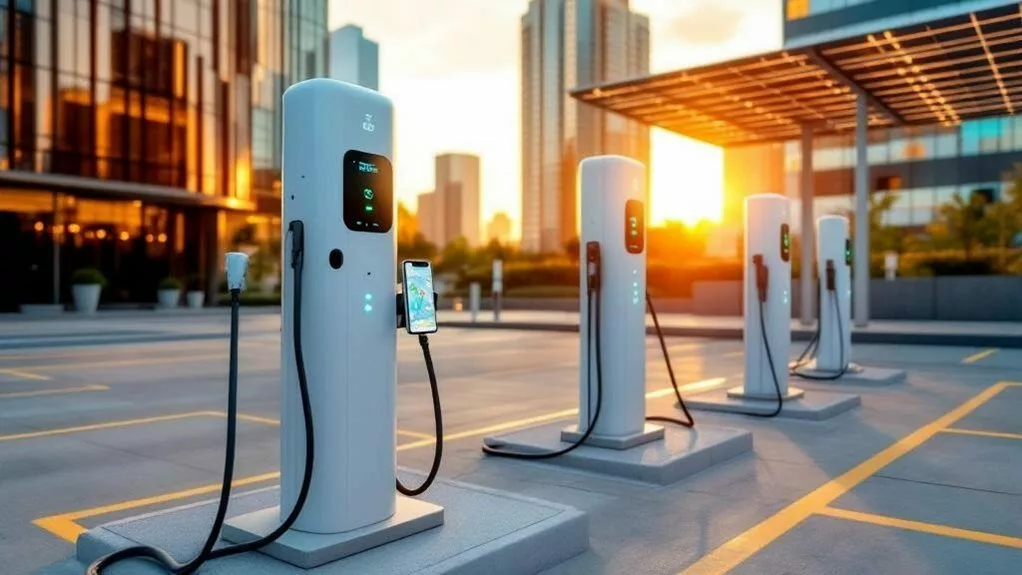
Where can electric vehicle drivers find charging stations when they need them? The United States now has 55,580 charging ports across 10,839 stations as of early 2025. California leads with 15,849 stations and 44,605 outlets, while New York and Florida follow with 3,787 and 3,259 stations respectively.
Finding nearby charging stations has become easier as networks expand in urban areas. Cities like Las Vegas, Miami, and New York City see about 40% of their chargers in use during peak evening hours. This high demand comes from rideshare drivers and apartment residents who don’t have home charging options.
The number of charging ports at each station varies by network. Tesla stations average 13 ports per location, while other networks average 3.9 ports. New federal rules require at least four ports at interstate highway stations, which is pushing more DC fast-charging installations.
Different charging speeds serve different needs. AC Level 2 chargers make up 45% of all ports and work well for longer stops at workplaces or homes. DC fast chargers are growing along highways for quick charging during trips, though AC ports still outnumber them three to one. The DC fast charging segment is projected to exceed USD 180.5 billion by 2034 as these chargers can recharge EVs to 80% in just 20-30 minutes.
Usage patterns change by season and location. Holiday travel pushed utilization higher in late 2024, but it dropped to 16.2% in early 2025 as winter weather slowed construction and travel. Urban coastal areas see the highest demand, especially where many people drive for rideshare companies.
Some states balance supply and demand better than others. Massachusetts has 10 EVs per charging outlet, while California has 28 EVs competing for each outlet. This difference shows how charging needs vary between urban and suburban areas.
Station owners are adding solar panels and battery storage to cut energy costs. Smart charging systems use computers to manage power loads efficiently. These improvements help stations handle more vehicles without overloading the electrical grid. Network operators use fixed pricing at 80% of their stations, making costs predictable for drivers planning their trips.
Rural areas still face gaps in charging coverage. Most rural locations have AC Level 2 chargers since people typically stay longer at these stops. Federal and state programs continue working to fill these gaps and guarantee drivers can charge wherever they travel.
Frequently Asked Questions
How Much Does It Typically Cost to Charge an EV at Public Stations?
Public EV charging costs vary by type.
Level 2 stations charge about 20 to 25 cents per kilowatt-hour. DC fast chargers cost more at 40 to 60 cents. AAA reports an average of 36 cents across all public chargers.
A typical 40-kilowatt-hour charge runs $8 to $10 at Level 2 stations. The same charge costs $16 to $24 at fast chargers.
Prices depend on location and provider.
Can I Use Any Charging Station With My Electric Vehicle Model?
Electric vehicle owners can’t use every charging station. Each car needs specific plug types that match the station’s connector.
Most North American EVs use Type 1 plugs for regular charging and CCS1 for fast charging. European cars typically need Type 2 and CCS2 connectors. Japanese brands like Nissan often require CHAdeMO plugs. As the market for electric vehicles expands, manufacturers are increasingly exploring innovative charging solutions to enhance user convenience and efficiency. This ongoing evolution of electric vehicle technology is driving the development of universal charging systems that could streamline the experience across different regions. Furthermore, advancements in wireless charging methods are also being researched, which could potentially eliminate the need for physical connectors altogether. Additionally, as more consumers switch to electric vehicles, installing home EV charger options is becoming a priority for many homeowners. This not only provides the convenience of charging vehicles overnight but also encourages a more sustainable lifestyle. With advancements in smart technology, these home chargers are now equipped to optimize energy usage, making them more efficient and user-friendly.
Tesla owners need converters for non-Tesla stations. Drivers must check their car’s manual for compatible connector types.
How Long Does It Take to Fully Charge an EV Battery?
Electric vehicle charging times vary widely.
Using standard home outlets takes 40-50 hours for a full charge. Level 2 chargers cut this to 4-10 hours. DC fast chargers can reach 80% in 20-60 minutes.
Battery size matters—larger batteries need more time. Most drivers don’t charge from empty to full. They add what they need, like gaining 100 miles in 35 minutes at public stations.
What Should I Do if a Charging Station Is Broken or Occupied?
When an EV charging station isn’t working or someone’s using it, drivers have options. They can report broken stations through apps like ChargePoint or PlugShare. Many drivers take photos of problems and contact the station owner.
Apps show nearby stations that aren’t busy. Drivers often check real-time availability before arriving. Some charging networks let users reserve spots ahead of time.
Peak hours usually mean longer waits at stations.
Do Charging Stations Work During Power Outages or Bad Weather?
Most electric vehicle charging stations don’t work during power outages because they need electricity from the power grid.
Some stations have solar panels or battery backups that let them run during blackouts.
Bad weather doesn’t usually stop charging stations from working unless it causes a power outage.
The government’s spending $12 million to make charging stations more reliable during emergencies.
Some drivers use home generators to charge their cars slowly.