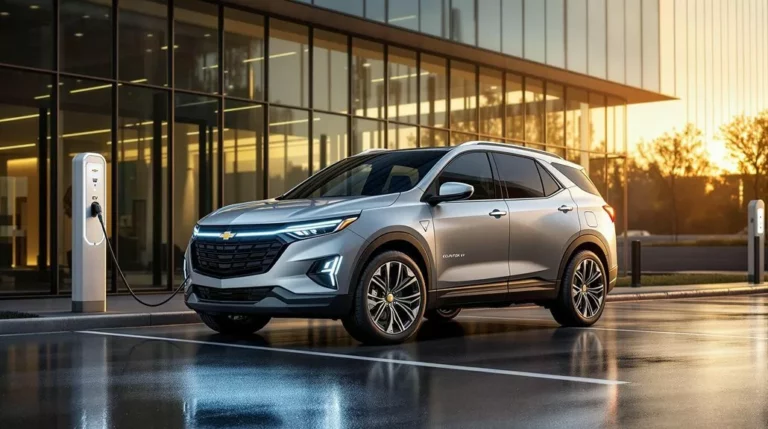

EV charging etiquette requires drivers to follow specific rules at public stations. Electric vehicle owners shouldn’t park in charging spots after their session ends. They must move their cars promptly to regular parking. Charging bays are reserved for EVs only. Drivers can’t unplug other people’s vehicles. They should return cables to holsters after use. Most experts recommend stopping at 80% charge to reduce wait times. These guidelines help maintain smooth operations at busy charging locations.
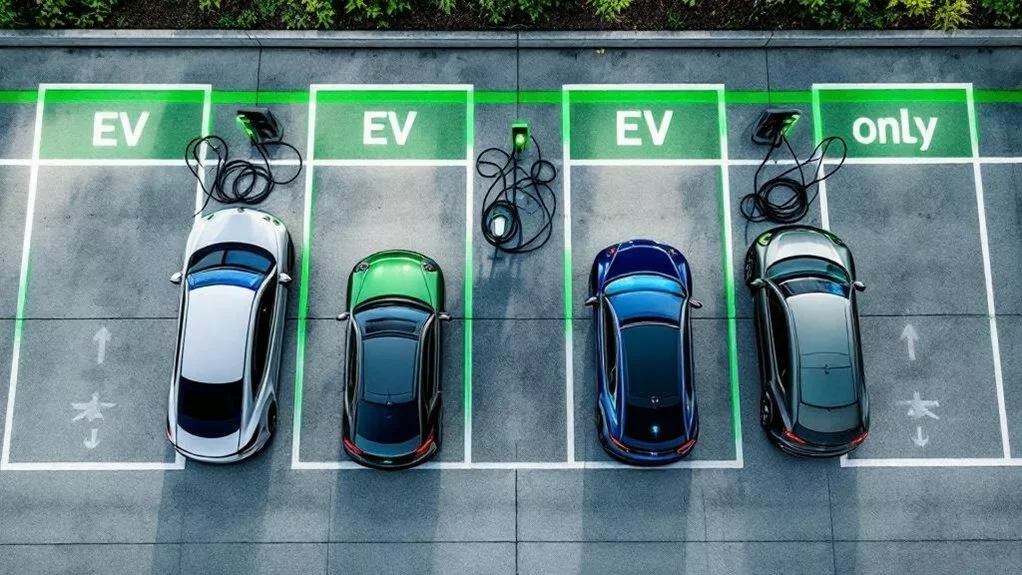
Electric vehicle charging stations have become the new gas pumps of the modern world, but they come with their own set of unwritten rules. As more drivers switch to electric vehicles, grasping proper charging etiquette has become essential for keeping the peace at public charging spots.
The most basic rule states that charging bays are exclusively for electric and hybrid vehicles that need to charge. Non-electric vehicles shouldn’t park in these spots, a practice known as “ICEing.” EV drivers who’ve finished charging should move their vehicles promptly to regular parking spaces. This prevents others from waiting unnecessarily.
Charging spots are for charging only—move your car when done to keep the line moving.
When using rapid DC chargers, drivers typically limit their sessions to 30 to 60 minutes. These high-speed chargers work best for urgent needs, while Level 2 AC chargers suit routine charging better. Most experienced EV drivers stop charging at 80% capacity unless they’re planning a long trip. Full charges take considerably longer and can create bottlenecks at busy stations. Charging efficiency drops significantly after 85%, making it practical to leave sooner rather than waiting for a complete charge. For drivers planning their journeys, understanding EV charging time estimations can help optimize travel schedules. By factoring in charging durations, they can make informed decisions on when and where to stop for a quick recharge. Additionally, utilizing apps that provide real-time updates on charger availability can further reduce downtime and improve overall travel efficiency.
Workplace charging brings its own considerations. Employees stick to designated EV spots and avoid charging beyond work hours. Many coordinate with coworkers about spot availability. They also keep noise levels down and maintain clean charging areas. Tesla drivers should prioritize Tesla Superchargers over brand-agnostic stations, leaving those chargers available for non-Tesla EVs.
Several behaviors can upset the charging community. Unplugging another person’s vehicle ranks as a major violation. Drivers must return charging cables to their holsters after use to prevent damage. They shouldn’t press emergency stop buttons unless there’s an actual emergency. Leaving cables on the ground where vehicles might run over them creates safety hazards.
The EV community has developed helpful customs. Drivers leave malfunctioning charger cables unhooked to signal problems to others. They alert fellow EV owners about available chargers through apps and social media. Experienced drivers often help newcomers learn proper charging procedures.
Many locations charge idle fees for vehicles that remain plugged in after charging completes. Smart drivers check these policies before starting a session. They also investigate options like wireless charging systems and tap-to-pay features that speed up the process. Scheduling home or work charging during off-peak hours helps reduce strain on the electrical grid.
Frequently Asked Questions
What Should I Do if My Charging Cable Gets Stuck in the Port?
When an EV charging cable won’t release, drivers first stop the charging session through their app or station controls.
They’ll check the port for debris and press the release button near the charging port. Many push the cable firmly into the port while holding the disengage button for two seconds.
If that doesn’t work, some vehicles have emergency release cords under the hood. Excessive force can damage equipment.
How Much Should I Tip Valet Staff Who Charge My EV?
Most EV drivers tip valet staff $2-$10 for charging services. The amount typically matches standard valet tipping practices.
Drivers often give more during busy times or when staff provides extra help with charging apps or technical issues. Cash remains the preferred payment method among valets.
Some charging locations don’t allow tipping, so drivers check posted signs. Tips usually increase for longer charging sessions or complicated setups.
Can I Charge My EV During a Thunderstorm?
Electric vehicles can charge safely during thunderstorms, according to industry standards. The cars’ metal bodies act as Faraday cages, directing lightning away from internal parts. As electric vehicle technology continues to advance, manufacturers are implementing even more rigorous safety features to protect against extreme weather conditions. The evolution of electric vehicle technology not only enhances the performance and durability of these cars but also ensures that they remain safe for users in various environments. Ultimately, this innovation reinforces consumer confidence in electric vehicles, allowing more people to embrace this sustainable mode of transportation. In addition to safety features, the integration of autonomous technology in electric vehicles is transforming the driving experience. By utilizing advanced sensors and artificial intelligence, these vehicles can navigate challenging weather conditions more effectively, further reducing the risks associated with inclement weather. As a result, consumers are not only reassured about safety but are also excited by the potential for a more convenient and efficient future of transportation.
Rubber tires and insulated charging cables provide extra protection. However, experts don’t recommend drivers stand outside during storms.
Many EVs and chargers include surge protection. They’ll automatically disconnect if they detect electrical problems. Home chargers should use surge protectors during storms.
Are There Apps to Report Broken or Vandalized Charging Stations?
Several apps let EV drivers report broken or vandalized charging stations.
PlugShare covers hundreds of thousands of stations and allows users to post reviews about damaged chargers.
ChargeHub lets drivers mark stations as “out of order” through its app.
EV Connect includes abuse reporting tools.
Electrify America and EVgo track charging interruptions that might indicate station problems.
These apps help drivers share real-time information about station conditions.
Is It Illegal to Unplug Someone Else’s Fully Charged Vehicle?
Unplugging someone else’s electric vehicle isn’t clearly illegal in most places. Laws haven’t caught up with EV technology everywhere.
However, drivers universally consider it wrong to unplug another person’s car. It’s similar to touching someone’s property without permission. Some locations may treat it as tampering or interference with property.
Most charging stations rely on social rules rather than legal enforcement to prevent this behavior.