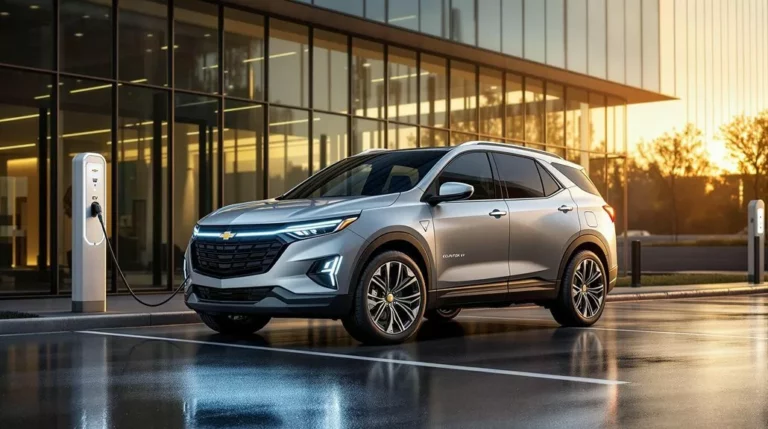

Electric vehicles will capture at least 40% of the global car market by 2030, with some experts predicting 86%. China’s already selling over 11 million EVs yearly, while Asia and Latin America saw 60% sales growth last year. The U.S. lags at 10% market share. Falling battery prices make EVs more affordable. This shift could cut road transport oil use by 50% and generate $9 trillion in sales. The change extends beyond cars to buses, trucks, and delivery vans.
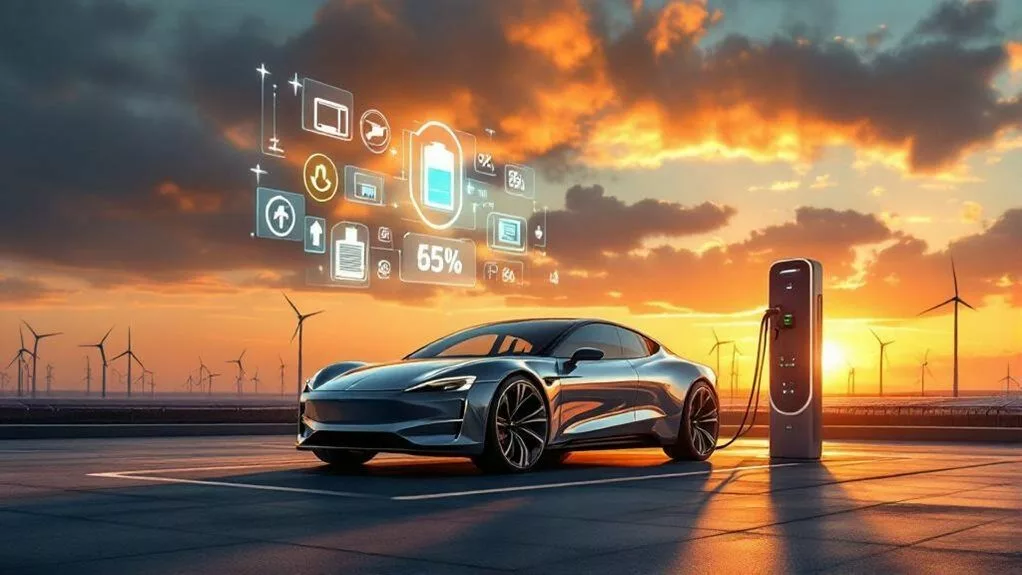
While gas-powered cars still dominate roads today, electric vehicles are rapidly taking over the global car market. Electric cars already make up over 20% of new car sales worldwide in 2024. That’s more than double their share from just two years ago. Experts predict EVs will capture at least 40% of the market by 2030. Some think it’ll be even higher — between 62% and 86%.
China leads the electric revolution. Nearly half of all new cars sold there are electric. The country sold over 11 million EVs in 2024 alone. That’s as many electric cars as the entire world bought in 2022. Other Asian and Latin American countries aren’t far behind. Their EV sales jumped by more than 60% last year.
China sold 11 million EVs in 2024 — matching the entire world’s 2022 electric car sales.
The United States moves more slowly, with EVs making up about 10% of new car sales. Europe’s electric car market share has remained around 20%, with sales growth stagnating despite earlier momentum. Battery prices keep dropping, making electric cars cheaper than ever. This price drop matters more than government help in many places. In Asia and Latin America, people buy electric scooters and three-wheelers because they’re affordable. By 2040, more than 90% of these smaller vehicles will be electric.
The shift to electric threatens oil companies. Cars already use less oil than they did in 2019. After 2030, experts expect oil demand from cars to fall by at least one million barrels every day. Electric vehicles could cut road transport oil use in half by 2030. Combustion car sales actually peaked in 2017, and soon more gas cars will be scrapped than sold each year.
It’s not just personal cars going electric. Buses, trucks, and delivery vans are switching too. Companies want zero-emission fleets to meet new rules. Electric vehicles will generate $9 trillion in sales by 2030. By 2050, that number reaches $63 trillion. As EVs become mainstream, manufacturers are improving cold weather performance with better battery management systems and heating technologies. As this transition unfolds, it echoes a rich history of electric vehicle development that spans over a century. Innovations in charging infrastructure and advancements in battery technology are paving the way for more efficient and accessible options for consumers. Furthermore, with increased investment in research and development, the future looks bright for electric mobility across all sectors, promising not only environmental benefits but also economic growth. As policymakers embrace this shift, the impact of electric cars on environment becomes increasingly significant. Communities will benefit from cleaner air and reduced noise pollution, leading to improved public health outcomes. Additionally, the transition to electric vehicles is expected to stimulate job creation in manufacturing, installation, and maintenance sectors, further enhancing economic resilience. As interest in electric mobility surges, enthusiasts and industry professionals are eagerly anticipating the mustsee electric vehicle shows 2025, where the latest innovations and models will be showcased. These events will serve as a platform for manufacturers to unveil cutting-edge technologies and design breakthroughs, further solidifying the electric vehicle presence in the automotive market. The excitement generated at these shows will undoubtedly accelerate adoption rates and inspire the next generation of sustainable transportation solutions.
Different countries push EVs in different ways. China uses big subsidies to stay ahead. Europe cut back its financial support, which slowed growth there. But even without government help, people keep buying electric cars where they cost about the same as gas ones.
The electric future isn’t coming — it’s already here.
Frequently Asked Questions
How Much Will Electric Vehicle Insurance Cost Compared to Traditional Cars?
Electric vehicle insurance costs more than regular car insurance today.
EV owners pay about 20% extra on average. Some EVs cost 4% less to insure, while others cost 20% more. It depends on the model.
Insurance companies charge more because EV batteries are expensive to replace. Repairs take longer and need special technicians.
As more people buy EVs, insurance prices might drop. Hybrid cars cost less to insure than EVs.
Can Electric Vehicles Be Safely Charged During Thunderstorms or Heavy Rain?
Electric cars can safely charge in rain and storms.
They’re built with special safety systems that protect against electrical problems. The charging stations meet strict weather safety rules. They won’t work unless the connection’s secure.
Lightning poses little risk because cars have built-in protections. The rubber tires and metal body help keep electricity away from people inside.
Still, extreme weather like tornadoes isn’t safe for charging outdoors.
What Happens to EV Batteries After They Can No Longer Power Vehicles?
When EV batteries can’t power cars anymore, they don’t go straight to trash. Many get a second life storing energy for homes and businesses.
Companies like Redwood Materials collect old batteries for recycling. They extract precious metals like lithium, cobalt, and nickel.
Only 5% of these batteries get recycled worldwide. Most recycling facilities shred batteries or use chemicals to separate materials.
Europe’s pushing for 80% lithium recovery by 2031.
Will Electric Vehicles Require Special Driver’s Licenses or Training?
California doesn’t require special licenses for electric vehicles. EV drivers use standard licenses, even for rideshare work.
The state’s rules target car makers, not drivers. By 2030, rideshare drivers must use electric or hybrid cars, but they won’t need new permits.
Some companies offer voluntary EV training. Heavy electric trucks need weight certificates like regular trucks.
Officials focus on making more electric cars available rather than testing driver skills.
How Will Apartment Dwellers Without Garages Charge Their Electric Vehicles?
Apartment dwellers without garages will charge their electric vehicles through new building features. Property owners are installing chargers in parking lots and shared spaces.
Some buildings use systems that let four cars share one electrical circuit. Others add pop-up charging stations with batteries.