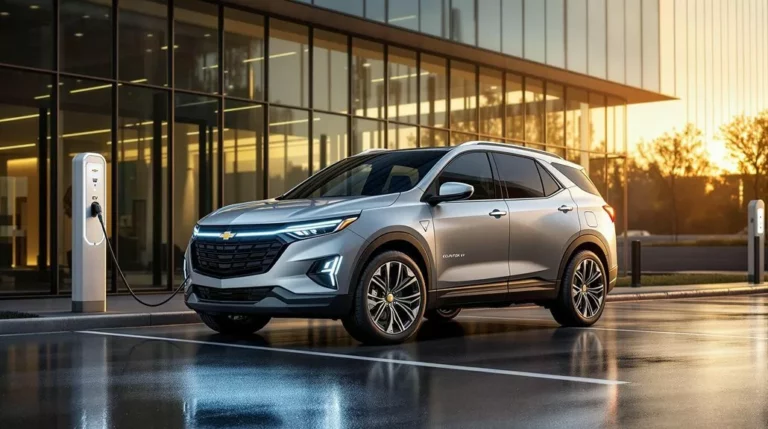

Electric vehicles cost about 23% more to insure than gas cars in 2025. EV owners pay an average of $357 monthly for insurance, while gas car drivers pay $248. The higher premiums stem from EVs’ expensive repair costs, which run $1,030 more per incident than traditional vehicles. Repairs also take longer—15.6 days versus 12.7 days for gas cars. Insurance companies are working to adjust their pricing as more affordable EVs enter the market.
While electric vehicles continue gaining popularity across America, their owners face a surprising financial challenge: higher insurance costs. Recent data shows EV owners pay an average of $357 monthly for insurance compared to $248 for gas car owners in 2025. This disparity in insurance rates can be attributed to several factors, including the higher repair costs associated with electric vehicles and the evolving understanding of their safety features. As the evolution of electric vehicle technology continues, it is likely that these costs will stabilize and potentially decrease, as insurers become more familiar with the intricacies of EVs. Ultimately, as the market matures, we may see a shift in insurance pricing that reflects the true benefits of owning an electric vehicle. Additionally, as electric car reliability trends illustrate improvements in performance and maintenance, insurers may recalibrate their pricing models to align with these advancements. Over time, a better understanding of the long-term durability and lower accident rates of electric vehicles could further lead to reduced insurance premiums. This would enhance the appeal of electric vehicles, making them an even more attractive choice for prospective buyers.
The insurance gap has narrowed considerably since 2021, when EVs cost 44% more to insure than traditional vehicles. That difference dropped to 26% by 2023. Still, EVs remain 23% pricier to insure according to Peakes Insurance projections. Different reports show varying numbers due to different calculation methods.
Insurance costs for EVs dropped from 44% higher in 2021 to 23% higher today, though calculation methods vary.
Several factors drive these higher premiums. EVs cost more to buy upfront, averaging $55,273 versus $48,039 for gas vehicles. When accidents happen, EV repairs run about $1,030 more per incident. These repairs also take longer – 15.6 days on average compared to 12.7 days for gas cars. Battery replacement represents another major concern, with costs reaching up to $15,000 before labor charges. As the market for electric vehicles continues to grow, the demand for EV battery replacements is also expected to rise. Projections indicate that EV battery replacement costs in 2025 could become a more significant factor in determining overall vehicle ownership expenses. Consequently, these anticipated costs may further contribute to the higher insurance premiums faced by EV owners.
The advanced technology in EVs creates unique challenges. Driver assistance systems need special calibration after crashes. There aren’t enough certified EV repair technicians, which drives up labor costs. EVs also use more expensive original manufacturer parts during repairs.
Tesla vehicles top the list of costliest EVs to insure. The 2022 Tesla Model S leads with $3,365 annually, making it the most expensive EV to insure. However, some models buck the trend. The Ford Mustang Mach E actually costs 18% less to insure than its gas version. Most other EVs carry premiums 3% to 12% higher than similar gas models.
Insurance companies report that EV owners file 17% more collision claims than regular car owners. The complex technology leads to higher repair bills. Fire risks, though rare, worry insurers and affect pricing decisions.
The industry’s adjusting to these challenges. Insurance companies are training more repair technicians and updating their pricing models. As cheaper EVs from manufacturers like Hyundai and Kia enter the market, premium differences may shrink further.
Annual premiums tell an interesting story. EVs average $1,607 yearly while gas vehicles average $1,606 – nearly identical. This suggests monthly payment differences might level out as the EV market matures and repair networks expand across the country.
Frequently Asked Questions
Can I Transfer My Gas Vehicle’s Insurance History to an EV Policy?
Drivers can transfer their insurance history when switching from gas vehicles to electric ones. Most insurance companies allow this if the existing policy permits vehicle replacement.
The driver’s claims history, credit score, and driving record stay valid. Companies will adjust coverage for EV-specific needs like battery protection. Some insurers require new risk assessments.
Premiums typically increase about 23% due to higher repair costs and specialized parts.
Do Insurance Companies Offer Discounts for Home Charging Station Installations?
Insurance companies don’t typically offer direct discounts for installing home charging stations.
Instead, they’re bundling EV insurance with home charger coverage to reduce overall costs. Some insurers include charger protection in existing policies without extra fees.
While drivers won’t see specific charger installation discounts, they can save through multi-policy bundles.
Federal tax credits offer separate savings up to $1,000 for home installations, though these aren’t insurance-related benefits.
How Does Battery Leasing Affect My EV Insurance Premiums?
Battery leasing can make EV insurance more complicated.
Insurance companies don’t have enough data about leased batteries, so they often charge higher premiums. When drivers lease a battery, they don’t own it. This creates confusion about who’s responsible for repairs after accidents.
Some insurers won’t cover leased battery problems at all. The unclear rules and higher perceived risks typically mean drivers pay more for coverage.
Are Stolen EV Charging Cables Covered Under Comprehensive Insurance?
Thorough auto insurance might cover stolen EV charging cables, but it’s not automatic.
Some policies include cables as “covered accessories,” while others don’t. EV-specific insurers often include cable coverage in standard plans. Traditional insurers may require add-ons. Owners must check their policy wording carefully.
Claims require police reports and proof of ownership. Cables without locking mechanisms might face claim denials. Deductibles apply to approved claims.
Do Insurers Require Special Certifications for EV Repair Shops?
Insurance companies often require repair shops to have special certifications for electric vehicle work.
Most insurers prefer shops with ASE-certified technicians who’ve completed EV-specific training. Shops need high-voltage safety certifications to work on EV batteries.
Some states like California require additional certifications for charging station installations. Shops without proper EV certifications may face higher insurance premiums or lose coverage.
These requirements help reduce accidents and liability risks.